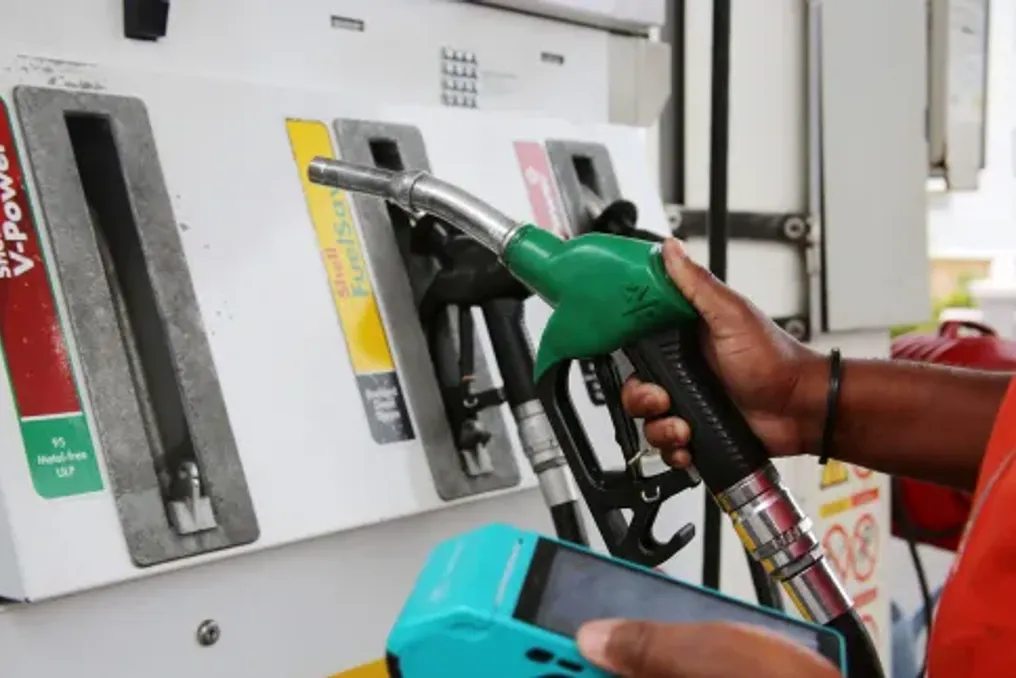
Drivers in South Africa may experience some relief at gas stations next week as fuel prices are expected to decrease, despite rising global oil prices and a weakening rand.
According to the latest data from the Central Energy Fund (CEF), there is a shortfall in revenue from petrol and diesel, indicating a potential price increase before accounting for the temporary reduction in fuel levy.
However, planned government levy reductions should offset this increase, leading to lower fuel prices after the adjustments take effect in November.
The latest CEF figures, covering the period up to October 28, show a revenue shortfall of approximately 1.23 rand per liter for petrol 93 and 1.07 rand per liter for petrol 95. Diesel also shows a shortfall, with grade 0.05% at about 1.44 rand per liter, and grade 0.005% at 1.35 rand per liter.
The expected price drop is linked to the government's decision to temporarily reduce the overall fuel levy as part of measures announced by Finance Minister Enoch Godongwana. From November 4 to December 1, the levy will be reduced by 1.50 rand per liter for petrol and by 3 rand per liter for diesel.
These reductions are intended to mitigate the impact of rising fuel costs and limit the effect on drivers. According to the latest forecasts, petrol 93 could fall by approximately 23 cents per liter, and petrol 95 by about 38 cents. Diesel prices are projected to decrease by approximately 1.57 rand per liter for grade 0.05% and by 1.65 rand for grade 0.005%.
Despite the expected decrease, economists warn that lower fuel prices may not lead to a significant improvement in household financial situations. Higher international oil prices and a weaker rand continue to put pressure on fuel costs. These factors may also affect transport costs and the prices of goods and services.
Furthermore, economists point to borrowing costs, inflation, and slow economic growth as challenges facing South African households. Thus, the temporary levy reduction is expected to provide only short-term relief and not solve the broader cost of living issues faced by consumers.