SAIC-GM-Wuling Unveils First Autonomous Logistics Vehicle for Last-Mile Delivery
Read more
Pandaily
pandaily.com

SAIC-GM-Wuling Unveils First Autonomous Logistics Vehicle for Last-Mile Delivery

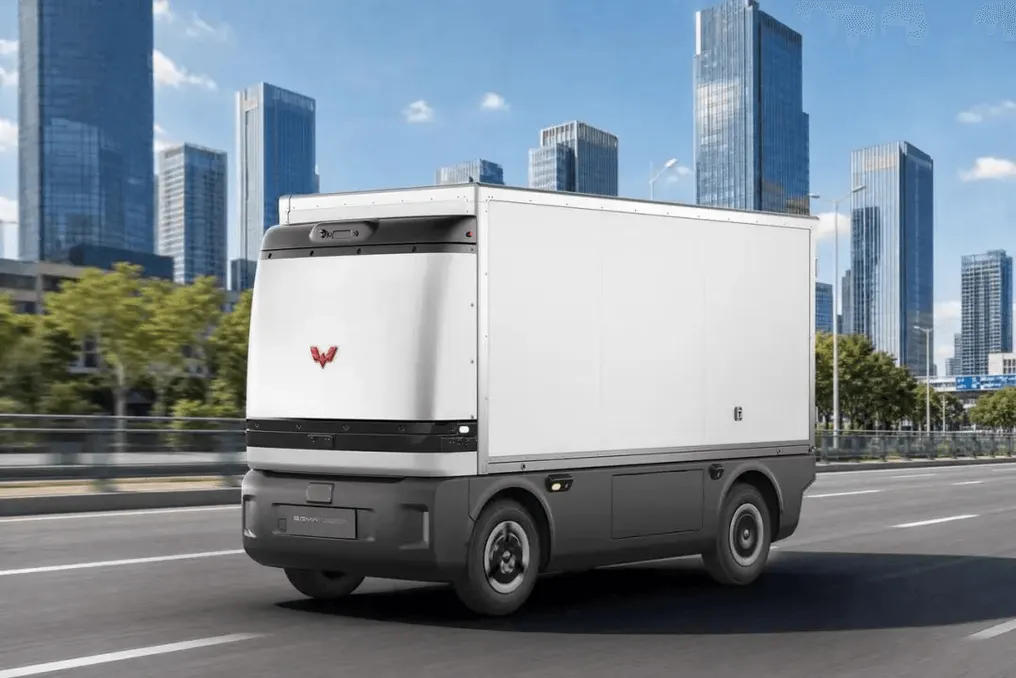
SAIC-GM-Wuling announced its intelligent equipment strategy on October 29th and introduced the first product under this strategy—an autonomous logistics vehicle designed for last-mile delivery. This move allows the automaker, known for its affordable cars and minivans, to enter the autonomous delivery market.

The vehicle is built on an architectural chassis equipped with drive-by-wire braking, steering, and motion control systems. According to Wuling, this ensures dynamic safety comparable to passenger cars. The cargo compartment is modular and can be fitted with a closed container, a fenced cargo platform, or a refrigerated box; furthermore, the cabin and cargo area are separated, allowing goods to be loaded using a forklift.

Technical specifications include a payload capacity of 6 cubic meters, a total range of 200 kilometers, and a total mass of 1850 kilograms. It uses a 16.2 kWh lithium iron phosphate battery, which can charge from 30 to 80 percent in approximately 0.58 hours. The maximum speed is 60 kilometers per hour, and the maximum incline is 18 percent. The vehicle has a turning radius of 4.7 meters and a water crossing depth of 300 millimeters. It is certified to IP55 standard and operates in temperatures ranging from minus 20 to plus 50 degrees Celsius.

The control system was developed in-house by the company. It does not require high-definition maps, relying instead on simplified mapping, a large model trained on the company's passenger car driving data, and cloud-loaded routes. This allows the vehicle to be quickly configured and dispatched for multi-point deliveries with a single command. Wuling asserts that it can be used on permitted city roads as well as in closed industrial parks and campuses for courier delivery, retail servicing, cold chain transportation, and internal material movement within enterprises.

Wuling leverages the advantages of its scale as an automaker. The vehicle utilizes the same battery, electric drive, and supply chain as the company's passenger models and is manufactured on automotive assembly lines that serve both standard mass production and small bespoke batches. The company emphasizes its national service network, comprising over 2800 service points and 15,000 technical specialists, providing 24/7 support and remote monitoring for the fleet.

It is reported that the vehicles are already in operation with several partners, including operators, technology providers, and end-users. A framework agreement has been signed with the intellectual mobility division of China Merchants Group. Under this agreement, Wuling supplies the vehicles, along with warranty, battery, and transmission maintenance, while the partner is responsible for local regulatory access and operation. Additionally, the national standard for road testing and demonstration of intelligent connected vehicles, effective July 1st, establishes unified rights and responsibilities on the road for autonomous delivery vehicles.
Similar stories

Brazilian startup company implements driverless trucks and buses in factories and ports
Read more
autopapo.com.br

Brazilian startup company implements driverless trucks and buses in factories and ports

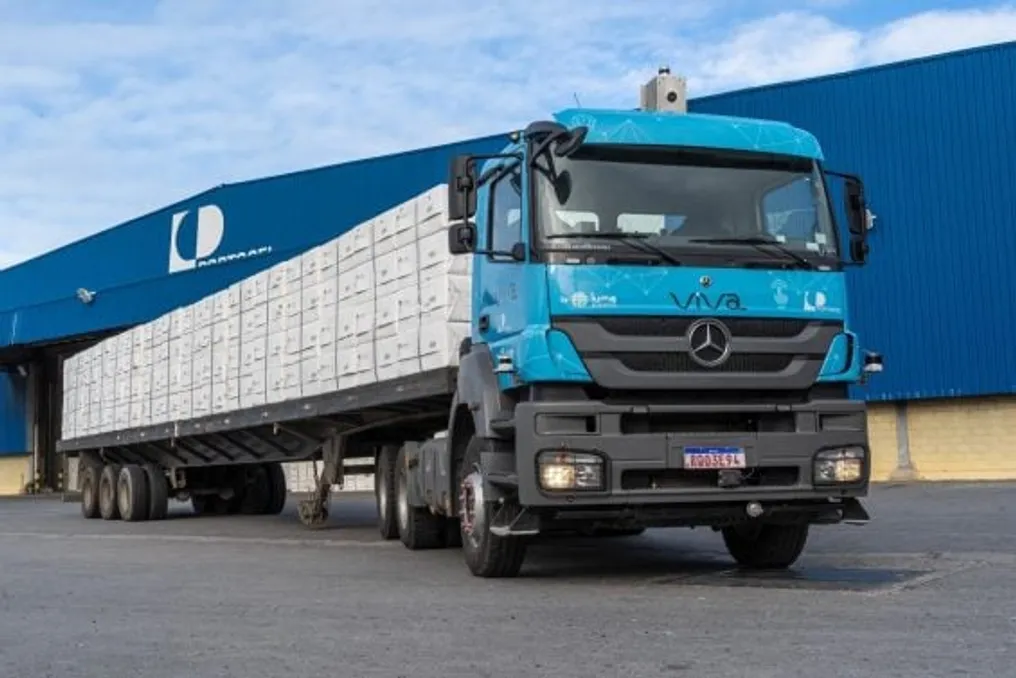
The Brazilian startup company Lume Robotics has implemented driverless transport systems for operation in industrial facilities, including factories and ports. For example, a bus transporting employees inside a metallurgical plant in the state of Espírito Santo operates without a driver.

Lume Robotics, a startup from the state of Capixaba, also provides driverless truck services for companies such as Suzano, ArcelorMittal, Portocel, Ypê, and Mercedes-Benz. Currently, ten autonomous vehicles are distributed among six clients.

For instance, at the Suzano facility, four trucks are used to deliver products from production lines to the distribution center. Specifically, at the ArcelorMittal Tubarão site, located in Serra (Espírito Santo), a Marcopolo minibus began transporting personnel at the end of June.

The software uses artificial intelligence to map routes, recognize both stationary and moving obstacles, and make maneuvering decisions similar to those of a driver. According to Lume, the system reacts in a tenth of a second, which is faster than a human. The company estimates that automation allows for a reduction in operating costs by approximately 25% through fuel savings and reduced maintenance costs.

Currently, this technology is limited to private territories, such as industrial zones, ports, and factory grounds, where vehicles follow pre-set routes. Lume was founded in 2019 following ten years of research into autonomous vehicles at the Federal University of Espírito Santo (Ufes).

Before establishing the company, the same team assisted Embraer in testing the Legacy 500 aircraft, which could move autonomously on the runway in 2019. Initial funding was secured through the Centelha federal government program, which provided scholarships and equipment. Since then, according to founder Rânik Guidolini, the startup has been growing at an average of 150% annually and has attracted nearly 5 million reais from private investors.

The next project is a cabless electric truck being developed jointly with Suzano for cellulose transportation. The prototype is planned for completion by 2027, with trials scheduled for 2028. During the same period, Lume aims to enter the international market; negotiations are underway with companies from Uruguay, Chile, and Mexico, and the company intends to expand its operations to reach about 12 clients and 20 vehicles.

Hyundai releases new SUV with 9 airbags, ADAS, and hybrid engine
Read more
www.aajtak.in

Hyundai releases new SUV with 9 airbags, ADAS, and hybrid engine

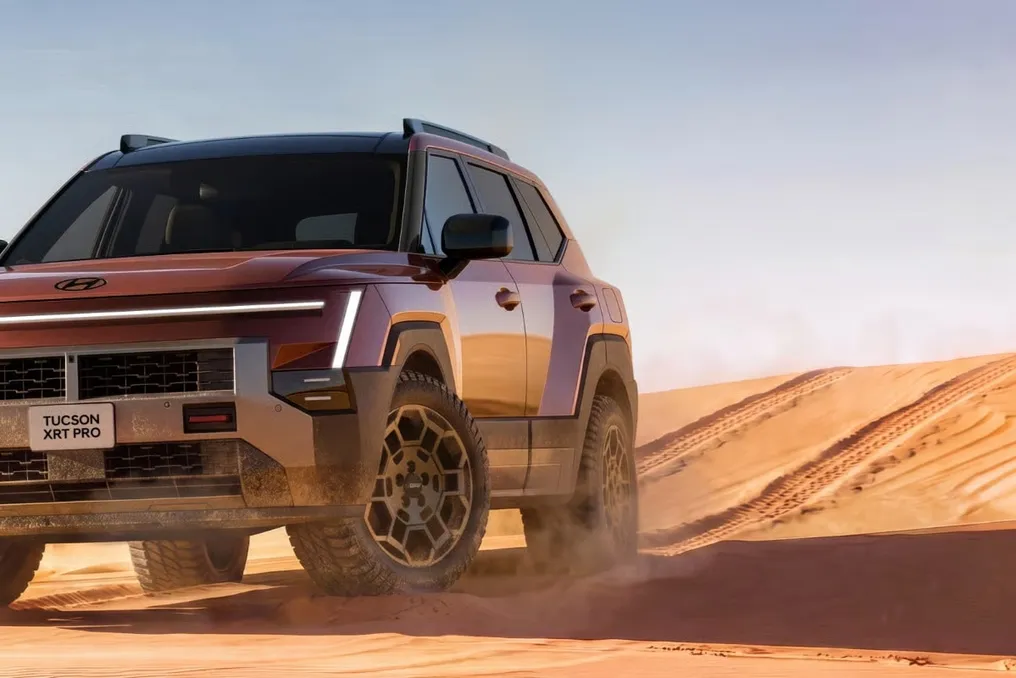
Hyundai has introduced its Tucson SUV to the global market. The company previously showcased this vehicle, and it is now available for sale in the brand's domestic market.

This SUV is available in four trims: H-Pick, Exclusive, XRT, and Inspiration. The vehicle is offered with two powertrain options: a 1.6-liter turbocharged gasoline engine and a 1.6-liter turbocharged hybrid engine. The company has started taking orders in the domestic market; however, there is no information about the launch of this model in India, as Hyundai has discontinued the sale of the Tucson in that country.

In the Korean segment, the new Hyundai Tucson starts from 3.14 crore South Korean won (equivalent to approximately 2.234 million rupees). This price applies to the base version and is 2.96 million South Korean won more expensive than the previous model. The top trim level is priced at 3.79 crore South Korean won (approximately 2.691 million rupees).

Regarding features, both powertrain options include similar functions, with minor differences in some options. The base H-Pick version includes features such as Bluelink Connectivity, Ploys Connect, a 12.9-inch screen, Glo AI, an app marketplace, wireless phone projection, OTA updates, and a slim 9.9-inch Ploys display.

Additional capabilities include front, side, and rear parking sensors, electronic parking brake with auto-hold function, Type-C charging ports, rain sensor, and air filter. For safety, the car is equipped with ADAS systems, and even the base version has nine airbags.

Furthermore, the vehicle incorporates hill descent control systems, a pedal misuse safety assistant, automatic emergency braking for multiple collisions, an internal fire extinguisher, and a tire pressure monitoring system. The SUV also features blind-spot monitoring, forward collision avoidance assist, lane keeping, and intelligent cruise control.

The top-tier version is equipped with the Ploys Connect system featuring a 17-inch screen. Additionally, this trim level offers exclusive options such as dual smartphone wireless charging, leather seats, second-row seat heating, and cabin mood lighting.

Uzbekistan launches Nasaf tractor production in Karshi with the participation of Chinese investors
Read more
uzdaily.uz

Uzbekistan launches Nasaf tractor production in Karshi with the participation of Chinese investors

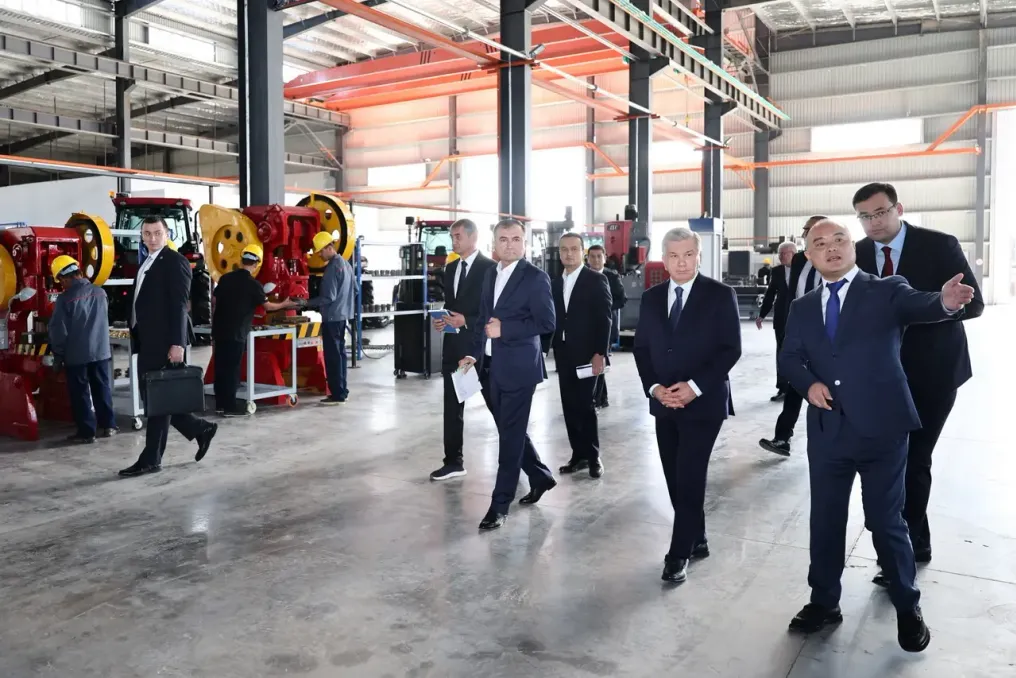
Agricultural machinery production under the local brand Nasaf is developing in the city of Karshi, Uzbekistan. President Shavkat Mirziyoyev visited the FM World plant, which was established with the participation of Chinese investors.

The company is part of Jiangsu World Group, which is among the five hundred largest private enterprises in China. The project, valued at 20 million US dollars, was fully financed by foreign investment.

The facility covers five hectares, including production buildings spanning 12,000 square meters. Two hundred people work at the enterprise, and some production processes have been automated.

The factory assembles five models of tractors, cotton harvesters, and other types of agricultural machinery. The tractors are equipped with autopilot and GPS navigation systems, and fertilizer application and work monitoring can be carried out remotely.

These technologies allow for more precise field operations while simultaneously reducing fuel consumption and the use of other resources. Furthermore, the company organizes training for machine operators and other specialists.

Training programs cover equipment maintenance directly in the field, early fault detection, and safe operation of the equipment. The current level of localization for tractor assembly is 30%, with the plant independently producing 138 types of parts and components.

Future development plans include increasing the share of locally produced components and expanding cooperation with Uzbek enterprises. FM World plans to export 30% of its products to neighboring countries and increase annual exports to 50 million US dollars.

During his visit, Mirziyoyev inspected the production process and finished equipment. The President emphasized the importance of developing domestic production of modern agricultural machinery and continuously raising the level of localization, noting that these efforts should contribute to reducing costs for farmers.

Popular