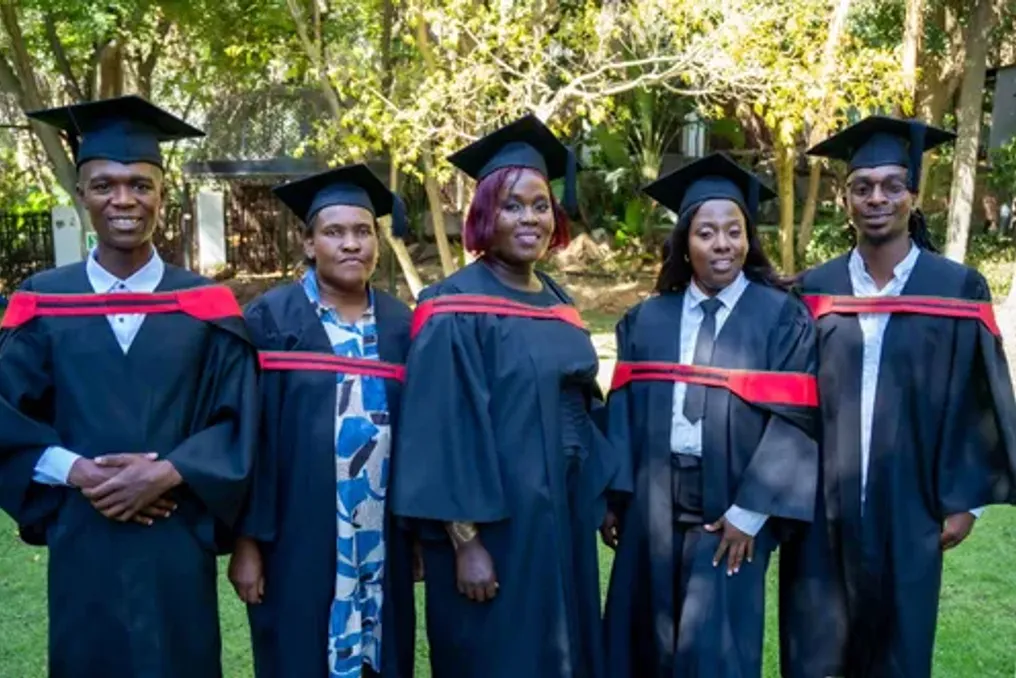
The Health and Social Welfare Education and Training Authority (HWSETA) awarded an NQF Level 4 qualification in working with children and youth to 266 social workers from non-profit organizations in Tshwane.
According to HWSETA, these 266 graduates increase the total number of formally qualified social workers in Gauteng through the Recognition of Prior Learning (RPL) program to 963 people.
Program Recognizes Work Experience
The RPL program assesses the knowledge, skills, and practical experience that social workers have acquired outside of formal education. Candidates went through a structured process that included selection, an introductory course, evidence collection, and assessment. They had to demonstrate that their existing competencies and experience met the requirements of this qualification.
HWSETA implements this program in collaboration with the Department of Social Development. The authority states that the goal of the program is to strengthen the services provided by funded non-profit organizations. Graduates from Tshwane work in regional NGOs that receive funding from HWSETA.
Social workers provide support to children, youth, and families in communities. Their activities include assisting orphans and vulnerable children, as well as children and youth living with them. These workers are part of community-level child protection and social development services.
HWSETA Highlights Need for Formal Recognition
Baakedi Motbatse, Executive Manager of HWSETA for Education, Training and Quality Assurance, noted that many social workers have accumulated significant practical skills without having formal education. Motbatse emphasized that HWSETA funds NGOs that address various social problems such as HIV/AIDS, child abuse, gender-based violence, femicide, substance abuse, and poverty.
He added: 'Many social workers working in these organizations have gained valuable skills through years of practical experience, often without formal qualifications that could recognize their abilities and the outstanding work they do in our communities.'
Motbatse reported that the graduation of 963 candidates from over 240 NGOs across Gauteng is a significant milestone for HWSETA and the social services sector. He also noted that this graduation reflects the determination, resilience, and hope of people who have worked hard to improve their situation and have not allowed circumstances to define their success. For the 266 social workers from Tshwane, obtaining this qualification is a major achievement for both their careers and the entire social services sector.