During a period that industry experts have dubbed the 'Rampocalypse'—a time of sharp increases in memory and storage component costs driven by artificial intelligence (AI) demands—Xiaomi stands out as a brand offering the greatest value in the market.
In an exclusive interview with IOL, Tianshi Lv, Xiaomi's country manager in South Africa, emphasized the company's mission: 'Under all this lies our mission: innovation for everyone.'
Modern AI tasks require enormous amounts of memory, which fundamentally changes the approach to designing computers, tablets, and smartphones. To ensure real-time smooth response, AI models must reside directly in the device's active memory, forcing manufacturers to actively 'secure the future' of their flagship devices with significantly increased memory capacity to handle new, heavier workloads.
This sudden and continuous surge in demand has led to increased costs for vital components across the global supply chain. Consequently, high RAM prices are driving up retail prices for everything from smartphones and laptops to media streamers and game consoles.
Nevertheless, Xiaomi is managing this complex situation through its operational scale. As Lv explained, Xiaomi's advantage lies in significant investment in research and development. The company has developed intelligent manufacturing capabilities not only for smartphones but also for electric vehicles and smart home appliances.
'Thanks to the advanced research and development we direct towards our manufacturing capabilities, we gain a distinct efficiency advantage—which allows us not only to maintain fair prices but also to guarantee high product quality and continuous innovation simultaneously.'
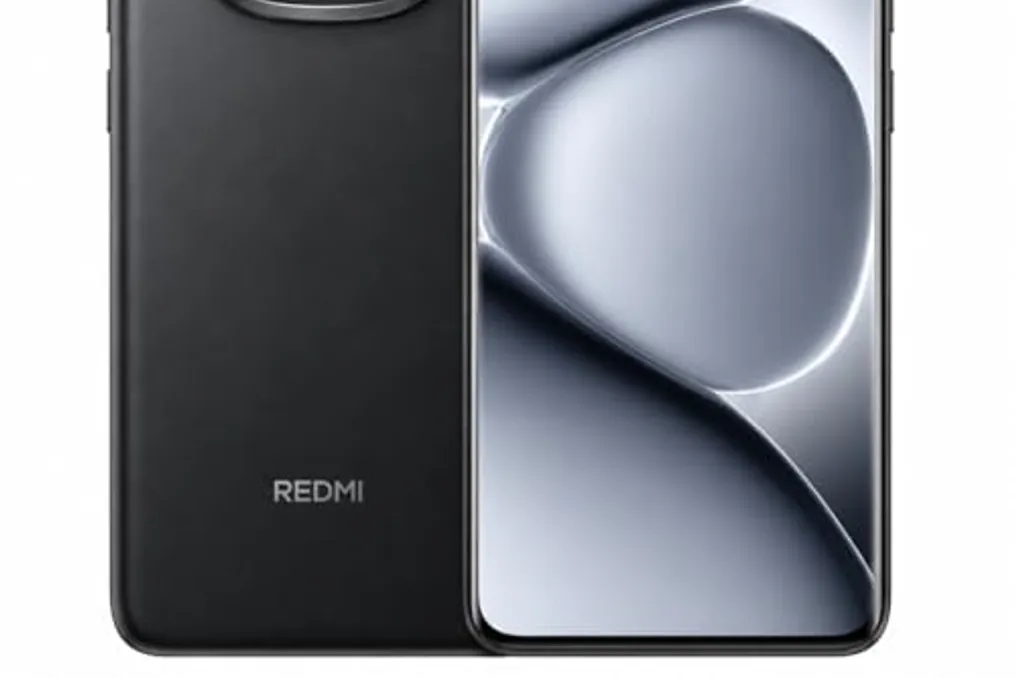
Despite its commitment to value principles, the brand continues to expand hardware capabilities. This balance is clearly demonstrated in the recently released Redmi Note 17 Pro Max 5G. This model, priced at R9,999 on Takealot, is equipped with a battery providing exceptional three-day autonomy thanks to a 10,000 mAh cell, which is an industry leader.
Jared Ferns, Xiaomi's national training manager in South Africa, discussed how the engineering team achieved this energy density milestone: 'It's all down to the 16% silicon carbide composition integrated directly into the battery cell. This allowed us to significantly reduce the physical size while minimizing heat accumulation inside the casing.'
He added that one of the main challenges when working with such a large battery was maintaining thermal regulation during intensive gaming sessions. He noted that this battery not only provides exceptional longevity but also exhibits remarkably low heat dissipation on the device's back panel, marking a significant breakthrough in consumer battery technology.