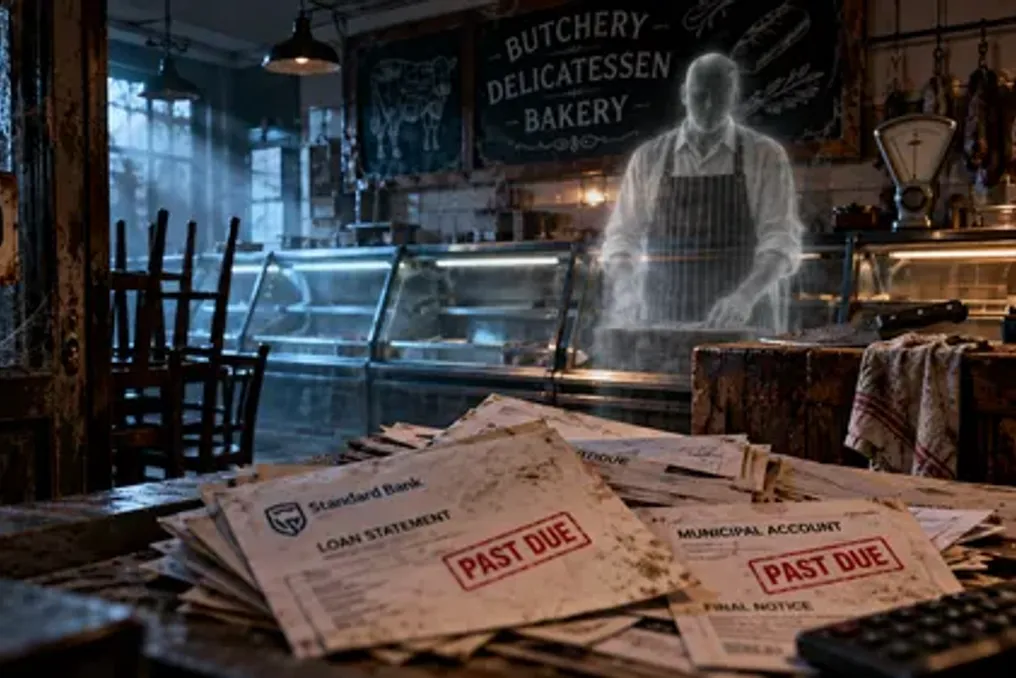
The business case has been closed, but the debt persists. The Durban-based trust, which previously owned a bakery, delicatessen, and butcher shop, faced the threat of sequestration after failing to repay a loan of several million rand issued by Standard Bank. The situation was worsened by the accumulation of unpaid municipal bills, and assurances that the problems were being resolved proved empty.
The High Court of KwaZulu-Natal ruled that the trust is unable to service its obligations, rejected attempts to dispute the bank's figures, and issued a preliminary sequestration order.
In December 2016, Standard Bank provided Continental Trust, the owner of the retail outlets, with a commercial loan of 9 million rand, secured by property in Durban. Monthly payments amounted to approximately 130,000 rand, and the interest rate was set at the base rate plus 1.8 percentage points.
The trust began falling behind on payments and failed to settle municipal accounts. By January 2021, the municipal account showed a debt of about 2.6 million rand, which the trust attributed to penalties for ownership changes made without approved building plans. The bank received assurances that this matter was at the highest level of resolution.
"Money is needed now"
In April 2023, trustee Hasan Khan sent an optimistic email to the bank stating: "GREAT NEWS! Urban planning approved the plan." However, a subsequent message was less encouraging: "Arrange the money for me now :)".
Nevertheless, Khan's messages did not reflect the reality. When the bank's lawyers independently requested the municipal account, it turned out that the debt had grown to approximately 5.2 million rand. Of this amount, about 4.9 million rand was overdue and required immediate payment.
Meanwhile, the trust's overdue payments on the bank loan reached approximately 270,000 rand by February 2023, and then increased to approximately 1.6 million rand by November 2024. After this, Standard Bank unsuccessfully demanded repayment of the remaining amount of about 6 million rand.
In June 2023, the trust's lawyers promised full repayment within four months, but this did not happen. By March 2025, Khan requested another six months, citing difficulties in many areas and construction plan issues that hindered dealings with tenants.
No money
After the trust failed to make the required payment, and the case went to court, Judge Mossop considered whether the March 2025 email constituted an act of insolvency. The Judge ruled that it was an admission of inability to pay under the Insolvency Act, which states that written notification to a creditor of the inability to repay debts constitutes an act of insolvency.
Mossop stated: "The conclusion, therefore, is inescapable: the Trust never paid at any stage because it could not pay." Nevertheless, the trust argued that its assets exceeded its liabilities. Khan valued the property at 25 million rand, and the bakery equipment at 500,000 rand, totaling 25.5 million rand. However, Khan could not explain how he obtained these figures and confirmed during the trial that he lacked expert valuation knowledge.
The bank's professional appraiser valued the property at 12 million rand upon forced sale and at 16 million rand on the open market. Mossop accepted these figures, and including the bakery equipment, the trust's assets amounted to a maximum of 12.5 million rand against claims of about 22 million rand.
Illogical
The trust also claimed that the bank's demand for payment and its balance statement contained contradictory information, suggesting that payments had not been reconciled and that the interest rate was "excessive." Mossop found that Khan was only comparing the principal amount in the statement with the total amount in the demand, ignoring the interest and accrued interest listed alongside it. The Judge noted that the difference between the two documents was explained by one word: time.
In Mossop's view, the alleged disputes were artificial and served as a tool to impede the filing of a lawsuit, rather than a genuine challenge to the debt. The court found a reasonable probability that creditors would benefit from sequestration, noting that a trustee in insolvent estate can sell property via private contract or tender instead of limiting themselves to an auction, which could potentially yield better returns.
The property is temporarily sequestered. Interested parties have until January 27, 2027, to justify why the order should not be final.