How to protect plants from cold in November using household items
Read more
Aaj Tak
www.aajtak.in

How to protect plants from cold in November using household items

In November, as the cold sets in, plants can suffer from frost. Many people worry that the leaves of plants on balconies might dry out due to low temperatures. However, there is no need to worry now, as there are simple ways to provide protection.

With the arrival of November, nighttime temperatures begin to drop, and cold air, dew, and frost often harm lush plants. Small seedlings, new sprouts, and potted flowers require special care. Instead of buying expensive covers or greenhouses from nurseries, old items from home can be used.

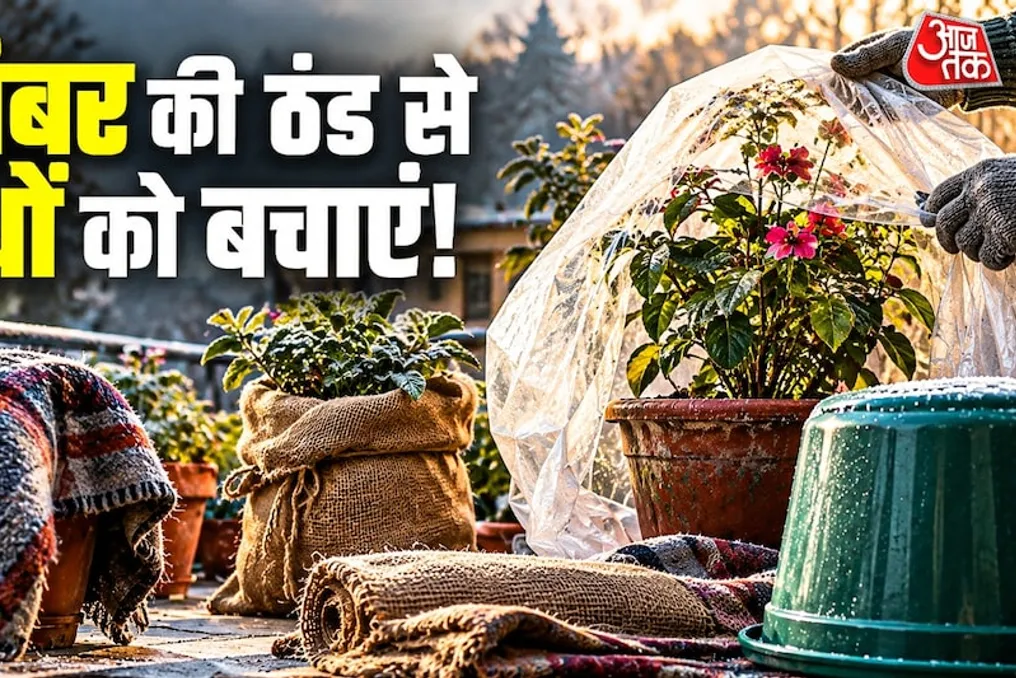
Old sheets, blankets, plastic buckets, and jute bags can serve as protective coverings for plants, acting like a 'winter jacket.' The main thing is to know how to apply these items correctly. If you want your plants, such as balsam, marigold, marigolds, and others, to remain green in winter, you can use several simple home tricks. Next, we will explain how to create winter protection for plants from items available at home and what to pay attention to during care in cold weather.

To protect plants from cold air and frost in winter, you can use an old cotton sheet or a light blanket. The sheet should be cut to fit the size of the plant and cover it at night. It is important to ensure that the fabric is not too heavy and does not constrict the branches. In the morning, when the sun appears, the fabric must be removed so that the plants receive enough light and air.

To protect small plants and new sprouts from the cold, you can use old plastic buckets or containers. This method is simple and inexpensive. You need to place the bucket upside down over the plant at night. At the same time, you must ensure that it is not pressing on the leaves and branches. As soon as the sun comes out in the morning, the bucket must be removed so that the plant receives air and light. Excessive heat and moisture accumulation inside the closed bucket should be avoided.

Water can absorb heat during the day and retain it for some time. Therefore, placing bottles filled with water near pots can partially reduce the impact of sudden temperature fluctuations. To do this, fill sturdy plastic bottles with water and seal them tightly with a lid. During the day, they should be placed in a sunny spot, and in the evening, next to sensitive plants. However, remember that this method does not provide complete protection against severe cold or frost; in such conditions, it is more important to cover the plants and place them in a safe location.

If you have many pots on your balcony or roof, you can construct a small mini-greenhouse to cover them all together. For this, you will need thin PVC pipes and an old sheet. First, a frame is created over the pots using the pipes. Then, an old cotton sheet is stretched over it, and the edges are secured with bricks. It is important that the fabric does not touch the plant leaves. In the morning, when the sun appears, the covering should be removed or opened to prevent the accumulation of excess heat and moisture inside.

In regions with harsh frosts, the trunks of young fruit trees and recently planted trees can be wrapped in burlap. Old jute burlap should be cut into strips and carefully wrapped around the lower part of the trunk. It should not be tied too tightly. You need to periodically check the condition and change the burlap if it gets wet. It should be noted that not every plant needs this type of cover, so this method should be applied depending on the plant variety and weather conditions.


Similar stories

Tips for storing winter clothing: how to prepare sweaters and jackets for the season to avoid odors and insects
Read more
www.aajtak.in

Tips for storing winter clothing: how to prepare sweaters and jackets for the season to avoid odors and insects

With the change of season and the approach of winter, it is time to take warm items such as sweaters, jackets, shawls, and other winter outfits out of closets. However, long-term storage of these items in closed wardrobes can lead to musty odors, dust accumulation, or pilling. To keep your winter clothing clean and ready to wear, it is recommended to follow nine simple guidelines.

The first step is to completely remove all warm items from the closet before the cold weather sets in. You need to inspect each item to determine which ones will be relevant for the current season. Clothing that has become too small or unusable should be set aside, which will free up space in the wardrobe and simplify daily selection.

Before wearing the clothes, they should be thoroughly brushed. Since long periods in the closet contribute to dust accumulation on warm items, sweaters and jackets need to be well fluffed. If heavily soiled, a soft brush suitable for the fabric type can be used to remove settled dust.

If a sweater or jacket smells like a confined space after being taken out of the closet, they should not be worn immediately. It is better to leave them outdoors for some time. Depending on the weather and the product instructions, they can be placed in light sunlight, which will help reduce unpleasant odors. It is important to remember that delicate and dark items should not be left under intense sun for long.

If stains are found or if the clothing has not been washed for a long time, it must be cleaned before use. When washing wool items, you must consult the care label. Some sweaters can be hand-washed, while others require professional dry cleaning. Similarly, jackets should be cleaned according to the material type and accompanying instructions.

To get rid of pills and small clumps that can form on sweaters due to storage or frequent use, use a special lint remover or fabric shaver. In this process, it is crucial to avoid stretching or rough rubbing the fabric to prevent damaging the fibers.

It is necessary to check the zippers, buttons, pockets, and seams of jackets that will be used daily. Minor damage may be discovered after several months of storage. If a zipper sticks or a button is broken, this problem should be addressed in advance to avoid difficulties in cold weather.

Warm clothing should be arranged in the closet so that it is easily accessible. Sweaters and jackets worn daily are best placed closer to the exit, while rarely used items should be kept elsewhere. Instead of hanging bulky sweaters on hangers, it is better to fold them, as weight can cause deformation. Jackets, however, can be hung on appropriate hangers.

Preparing for winter is not limited to just sweaters and jackets. You should also inspect blankets, duvets, and shawls removed from storage. If they smell or have dust, they need to be cleaned or washed according to instructions. After they are completely dry, they can be placed on the bed or stored in the closet. This preliminary preparation will prevent hassle with cleaning warm items once winter arrives.

How to Grow Cabbage at Home: A Guide to Cultivating Fresh and Crisp Vegetable Crops on the Balcony
Read more
www.aajtak.in

How to Grow Cabbage at Home: A Guide to Cultivating Fresh and Crisp Vegetable Crops on the Balcony

With the arrival of winter, an abundance of cabbage and white cabbage becomes an integral part of winter dishes such as pies, salads, and fried snacks in markets. However, there is a way to avoid frequent trips to the market and harvest fresh cabbage right on your balcony at home.

Growing cabbage at home is quite feasible, and it does not require a large garden or much free space. Even a small balcony is enough to use pots for growing cabbage. Furthermore, this process does not require expensive materials or long daily efforts; a properly chosen pot, good soil, sufficient sunlight, and some care are enough.

To plant a cabbage plant, you should choose a deep and wide pot measuring 12–14 inches. It is important to ensure that the bottom of the pot has drainage holes so that excess water does not stagnate. The absence of such holes can lead to waterlogging and damage to the plant's roots.

Next, you need to prepare the soil in the pot. For growing cabbage, it is recommended to mix garden soil with manure and a small amount of sand. This will provide the soil with nutrients and improve drainage. Looseness of the soil is extremely important for good cabbage growth.

After preparing the soil, the sowing stage begins. Seeds should be placed in the soil about 2 centimeters deep and then lightly covered with soil. After this, you need to water a little to maintain soil moisture. The pot should be placed in a spot that receives gentle sunlight. Usually, seeds begin to germinate after 7–10 days, and small sprouts appear. When the plants grow a little and develop true leaves, they should be carefully transplanted into a larger pot, providing them with enough space for full development.

Both sunlight and water are necessary for the growth of a cabbage plant. Therefore, the pot should be placed where the plant can receive about 4–5 hours of sunlight daily. If your balcony has enough sunlight, this can be a good option for growing cabbage.

There is no strict rule for watering cabbage plants; water should only be given when the soil feels dry. It is necessary to ensure that water does not accumulate in the pot, as this can damage the roots. Although maintaining soil moisture is important, overwatering should be avoided.

Insects that affect the leaves of cabbage plants can negatively impact their growth. Therefore, it is necessary to regularly inspect the leaves. If small insects or their traces are noticed, protective measures should be taken as soon as possible.

For plant care, you can use neem-based insecticide, following the instructions on the packaging. Additionally, it is important to remove dry and damaged leaves so that the plant remains healthy.

If you are wondering how long it will take to harvest after planting cabbage in a pot, it usually takes about 70–90 days. However, this period also depends on the variety of cabbage, weather conditions, and the quality of care.

Cabbage can be cut and used when its central part becomes sufficiently large and dense. It is important to harvest on time, as prolonged presence of the plant can lead to spoilage.

If you want the cabbage harvest not to be collected all at once but gradually, you can sow new seeds at regular intervals. This will prevent all plants from growing simultaneously and increase the chances of getting cabbage at different times. You can apply the method of planting new plants every 15 days. The main thing is to provide each new plant with a good place, sunlight, and proper care. In this way, you can create a small garden on your balcony and enjoy the taste of fresh cabbage grown at home in winter.

According to Vastu, there are five types of plants that are not recommended for indoor planting due to potential negative consequences
Read more
www.aajtak.in

According to Vastu, there are five types of plants that are not recommended for indoor planting due to potential negative consequences

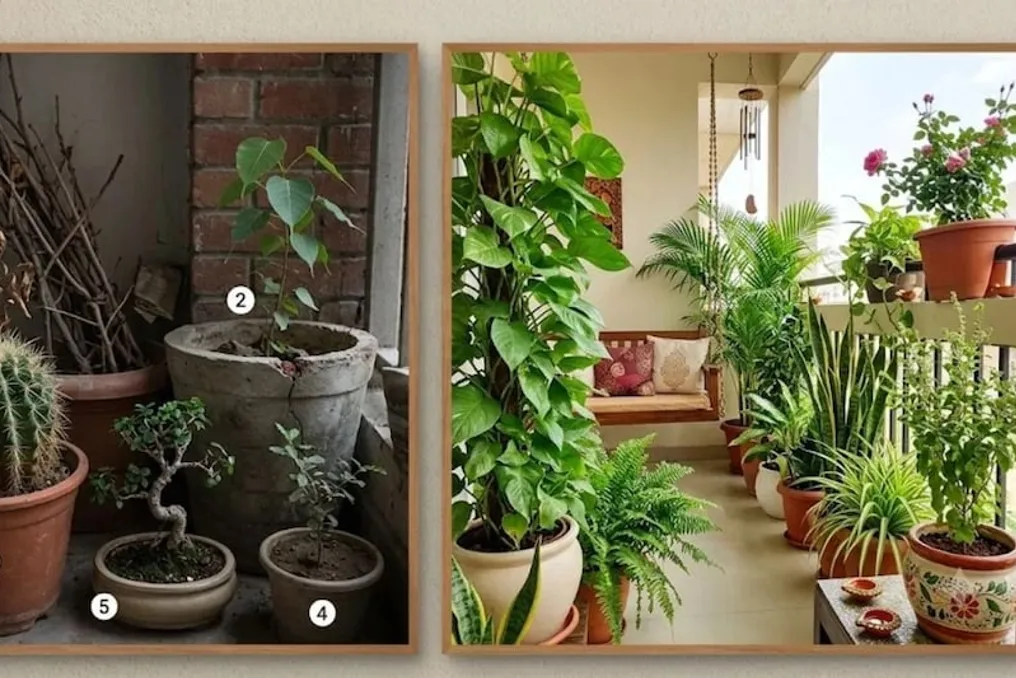
People often use various plants to decorate and green residential premises because they can improve the appearance of the home and create a pleasant atmosphere thanks to their aroma and greenery. However, within the framework of Vastu Shastra, there is a recommendation to pay attention to plant selection, as some species are considered unfavorable for well-being and the atmosphere in the home.

In particular, special attention is paid to thorny plants, bonsai, and dry specimens.

Firstly, the category of unacceptable plants includes thorny plants such as cactus and नागफनी (Nagphani). According to Vastu Shastra beliefs, the presence of sharp thorns symbolizes tension and disagreements among family members. It is noted, however, that there are differing opinions regarding rose bushes.

Secondly, although the peepal tree is revered and considered sacred in Hinduism, it is not recommended to grow it indoors in the context of Vastu. Since the peepal is a large tree with an extensive root system, its growth near the foundation or walls of a house can pose a practical threat.

Thirdly, Vastu practitioners do not approve of keeping withered or dry plants in the house. It is believed that lush greenery symbolizes freshness and positivity, whereas dry plants indicate stagnation. Therefore, it is necessary to care for plants regularly, and completely dried specimens should be removed to maintain cleanliness in the house and on the balcony.

The fourth plant that is undesirable to place in a dwelling or yard is basil (mehndi). Although basil is known for its traditional and medicinal properties, some Vastu principles suggest that it may negatively affect the positive energy of the home. It is important to remember that this is based on religious beliefs.

The fifth plant causing concern is bonsai. This decorative variety, which is grown in a miniature format and is externally attractive, according to some Vastu Shastra views, may hinder progress. This viewpoint is based on the fact that the natural growth of the tree is artificially restricted in bonsai.

When choosing plants for the home, it is crucial to consider their needs, lighting, available space, and maintenance requirements. Fallen leaves should be removed promptly, and overwatering should be avoided. Large trees should be placed at a sufficient distance from pipelines and the building's foundation. People who adhere to Vastu principles can make their choices based on their own beliefs.

Popular