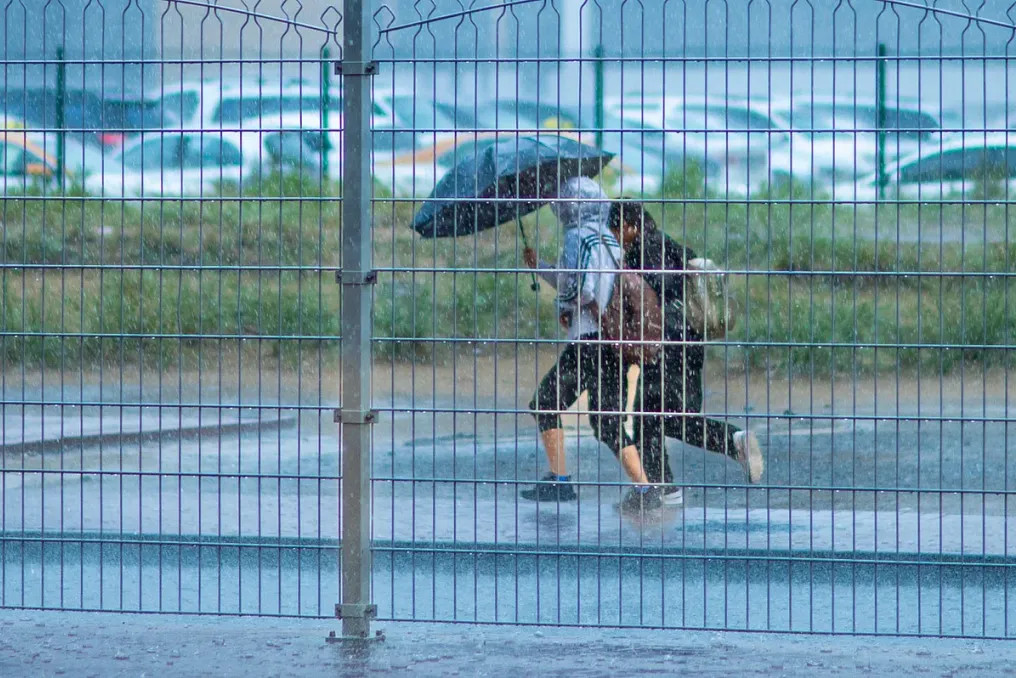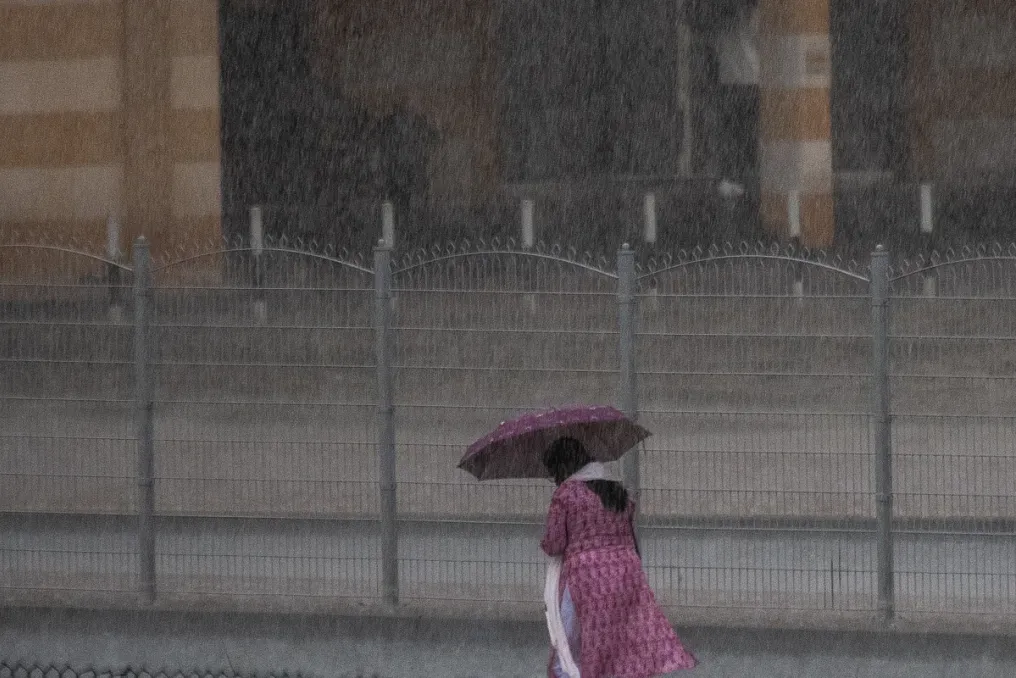
Residents of the United Arab Emirates may face a warmer and rainier winter this year. Temperature, humidity, and precipitation are expected to exceed normal levels as El Niño affects the weather across the region, according to Ibrahim Al Jarwan, Chairman of the Emirates Astronomy Society.
In an exclusive interview with Khaleej Times, Al Jarwan noted that the overall forecast indicates warm and humid conditions during the cooler months. He emphasized, however, that this forecast should not be interpreted as a warning of inevitable flooding. He stated: 'The winter is expected to be warm and humid, with rainfall generally above normal.'
Al Jarwan believes that El Niño will peak in November and December, and its effects will be felt until February or March. However, he stressed that seasonal forecasts describe general trends, not the exact weather experienced by individual localities.
According to Al Jarwan, both in mid-October and at the time of the interview, daily highs and nightly lows remained above usual levels in many parts of the UAE. Typically, by mid-October, minimum temperatures in many areas of the country drop below 20°C, and below 15°C in mountainous and high-altitude zones. Instead, nighttime readings in many places held at 23°C–24°C.
Meanwhile, daytime temperatures continued to exceed 35°C over vast areas instead of dropping to the low 30s. He added that the recent temperature difference was approximately 3°C to 5°C above normal, depending on the location and whether daily or nightly measurements were considered.
El Niño is associated with unusually warm surface waters in the central and eastern tropical Pacific Ocean, as well as changes in atmospheric circulation that can affect weather far beyond the ocean. Al Jarwan explained that the ocean temperature anomaly of about 0.5°C above average is linked to the onset of El Niño conditions. He reported that this difference usually ranges from 0.5°C to 2°C, but this year it reached approximately 3°C—a much larger anomaly which he termed a very strong El Niño. He specifically emphasized that the 3°C figure refers to Pacific Ocean waters, not an equivalent increase in air temperature in the UAE.
Al Jarwan stressed the importance of distinguishing between above-average rainfall and torrential rains causing floods. He clarified: 'More precisely, we expect above-normal precipitation.' He explained that whether the rain leads to flooding depends not only on the total volume but also on the rate of fall. A large volume concentrated over several days can have completely different consequences than precipitation spread over several weeks. Although flooding cannot be ruled out, the general seasonal forecast alone is insufficient to predict it.
Al Jarwan also noted that recent rains were unevenly distributed. Rain fell in several central, eastern, and southern areas; some eastern locations experienced heavy downpours and hail, while the western coast received less precipitation. He concluded: 'We are talking about broad features and the general climate trend in the autumn-winter period.'
Outside the UAE, El Niño-related effects are already being reported for 2026. Drought is affecting agriculture and transport in parts of Africa and Southeast Asia. In Sudan, Reuters reported on October 23 that July-September rainfall was the lowest in more than three decades, according to data from the U.S. Geological Survey. This El Niño-related drought is damaging crops and pastures, exacerbating the famine crisis also caused by conflict and displacement. In Indonesia, Reuters reported on October 19 that this year's El Niño-related drought lowered the water level of the Kapuas River in West Kalimantan, leading to the halt of barges and disruption of palm oil transportation. Small farmers were unable to sell their harvests due to warehouse saturation and purchasing restrictions from processing plants. The provincial palm oil association reported that 13 out of 50 local mills were affected. The World Meteorological Organization also warned this month that warmer conditions and precipitation deficits in Southeast Asia are putting pressure on agriculture and water resources, and increasing the risks of wildfires and haze. Its latest seasonal forecast points to conditions that are wetter than usual in some parts of East Africa, and an increased risk of drought conditions in South Africa starting in November, although these remain regional forecasts, not predictions of specific weather events.