
Shiva Lingam in Kerala Temple Submerged in Water for 364 Days; Visit Possible During Mahashivaratri
Read more
Aaj Tak
www.aajtak.in

Shiva Lingam in Kerala Temple Submerged in Water for 364 Days; Visit Possible During Mahashivaratri

India has numerous temples known for their unique traditions. One such temple is located in Kerala, where the Shiva Lingam remains submerged in water for most of the year. A special feature of this place is that the opportunity to see the Shiva Lingam is available only once a year—on the day of Mahashivaratri. On this day, the water from the temple is drained, allowing pilgrims to make offerings and view the deity.

Location of the Unique Temple

The Sri Ardhanarishvara Mandir, situated in Arakkoopuram, Malappuram district in Kerala, is known for this distinctive practice. It is located approximately 17 kilometers from Perintalammanna. This temple venerates the combined incarnation of Shiva and Parvati—Ardhanarishvara. The most notable feature of the temple is its Shiva Lingam, which is underwater for 364 days a year. During Mahashivaratri, the water is drained to allow pilgrims to see the Shiva Lingam. The path to the temple itself is also surrounded by water, setting it apart from other places.

Pilgrims visit this temple to receive blessings from Shiva and Parvati. There is a belief that performing rituals here helps remove obstacles in marriage and promotes harmony in married life. Among the special rites in the temple is the Uma Meshwar Puja. Through this ceremony, devotees pray for freedom from marital problems and the preservation of love and understanding between spouses. Furthermore, during temple festivals, a ritual called 'Pattum Thaliyum Samarppanam' is conducted, during which wishes for a happy family life are made.

Festivals Held at the Temple

A series of religious events take place at the temple throughout the year. Every year in December or January, a five-day festival is held, beginning with the hoisting of the flag and concluding with the 'Thiru Arattu' ritual. Additionally, a special religious event is held in June or July, during which the '1008 Kalash Jalabhishek' ceremony is performed, meaning the consecration of the deity with water from 1008 pots.

Temple Operating Hours

If you plan to visit this temple in Kerala, be sure to check the operating hours. The temple is open from 6:00 AM to 9:30 AM and from 4:00 PM to 7:00 PM. Free meals are provided for visitors.

How to Reach the Temple

Access to this temple in Malappuram district, Kerala, is possible by road, rail, and air. Calicut International Airport is about 40–50 kilometers from the temple, from where a taxi can be taken. The nearest railway station is Angadipuram, from where one can take a taxi, auto-rickshaw, or bus. The temple is located near Perintalammanna, which can be reached by local bus or taxi.

Similar stories

Omkareshwar Dham is linked to the austerities of Raja Mandhata; the history of the Mahadeva temple
Read more
www.aajtak.in

Omkareshwar Dham is linked to the austerities of Raja Mandhata; the history of the Mahadeva temple

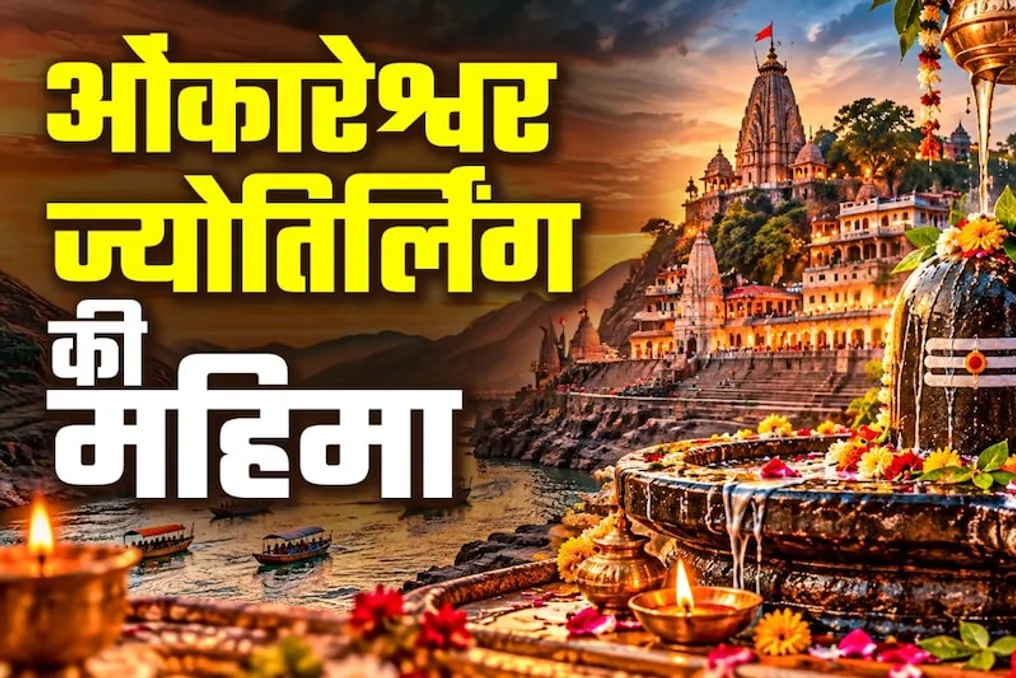
Omkareshwar Dham, located on the banks of the Narmada River in Madhya Pradesh state, is one of the twelve Jyotirlingas dedicated to the god Shiva. A large number of pilgrims arrive here daily, wishing to see Mahadeva. The atmosphere of reverence, the sounds of bells in the temples, and the banks of the Narmada make this place special. Due to the combination of natural beauty and religious faith, Omkareshwar is considered one of the main holy places in the country.

The 'Om' shape is visible on Mandhata Island

A distinctive feature of Omkareshwar is Mandhata Island. According to belief, if one looks at this island from above, it resembles the 'Om' symbol. This significantly increases the religious significance of this place. According to mythological legends, Raja Mandhata performed long and severe austerities on this mountain to appease the god Shiva. It is said that Mahadeva, moved by his austerities, appeared to him. This religious belief is why the place is named Omkareshwar.

Omkareshwar is also associated with Adi Shankaracharya. It is believed that he spent time here during his spiritual journey. This place holds special significance in the tradition of Advaita Vedanta. Therefore, people come here not only who follow Shiva but also those interested in spiritual knowledge and Indian culture. The calm environment around the temple complex and the Narmada River allows pilgrims to feel reverence and peace.

Why is visiting Mamaleshwar important along with Omkareshwar?

In addition to visiting Omkareshwar, the importance of pilgrimage to Mamaleswara Mahadeva is particularly emphasized. The Mamaleswara temple is located on the other bank of the Narmada River and is known as Amleshwara. According to religious beliefs, pilgrims coming to Omkareshwar also make a pilgrimage to Mamaleswara Mahadeva. Many believe that visiting both temples completes the pilgrimage to Omkareshwar. This is why pilgrims come to these ancient Shiva temples located on both banks of the Narmada River.

Omkareshwar and Mamaleshwar are famous not only for their religious beliefs but also for their natural beauty. The banks of the Narmada River, the devotees performing worship, and the sounds of mantras in the temples give this place a special atmosphere. A large number of people arrive here every year to see the god Shiva and attain inner peace.

Date and Time for Ravana Dahan and Puja on Dussehra 2026
Read more
www.aajtak.in

Date and Time for Ravana Dahan and Puja on Dussehra 2026

Vijayadashami is celebrated in honor of Lord Shri Rama's victory over Ravana, symbolizing the end of evil. This festival reminds everyone that even the most powerful manifestations of arrogance and injustice eventually yield to truth and good. On this day, effigies of Ravana are burned across the country, and worship is performed to Lord Rama, Goddess Durga who destroys Mahishasura, and weapons are venerated.

According to the Hindu Panchang, the date Ashvin Shukla Dashami falls on October 20, 2026, starting at 12:51 PM and concluding on October 21 at 2:11 PM. Therefore, celebrating Dussehra is recommended specifically on Tuesday, October 20.

The Hindu Panchang indicates that the date Ashvin Shukla Dashami will be valid from 12:51 PM on October 20, 2026, until 2:11 PM on October 21. Based on the rising date and Panchanga calculations, Vijayadashami is celebrated on October 20, a Tuesday. On this day, people also worship the Shami tree.

On Dussehra, there is a ritual of worshipping Lord Rama, Goddess Durga, and weapons. The best time for performing the puja is considered to be Vijayad Muhurta. On October 20, Vijayad Muhurta is scheduled from 1:59 PM to 2:45 PM. However, it is advised to avoid conducting any auspicious deeds or religious rituals during the Rahu Kaal period, which lasts from 2:56 PM to 4:21 PM.

The auspicious time for burning the Ravana effigy is considered to be Pradosha Kaal. During this time, the triumph of Lord Rama is celebrated by burning the Ravana effigy. According to the Panchang, the muhurta for Ravana Dahan on October 20 will be from 5:47 PM to 8:23 PM. If one wishes to perform a special ritual at night, worship may take place during Nishita Kaal from 11:41 PM to 12:31 AM.

Dussehra has been revered for centuries as a symbol of the triumph of truth over falsehood and Dharma over Adharma. It is believed that in the Treta Yuga, Lord Rama destroyed Ravana, ending evil, and since then, the tradition of burning Ravana has become a symbol of the end of evil and arrogance. Lord Rama's life inspires people to embrace principles of virtue, goodness, and high qualities.

Unique Durga Pandals with Thematic Decorations Presented in Prayagraj
Read more
www.aajtak.in

Unique Durga Pandals with Thematic Decorations Presented in Prayagraj

During the Navratri period, religious fervor reaches its peak across the country, with crowds of pilgrims flocking to both temples and Durga Puja pandals. The city of Prayagraj has become a center of attraction due to its unusual thematic pandals. Some reflect Bengali culture, while others recreate the splendor of the famous Menakshi Temple in South India. Among the exhibits, one can see amazing works created from bamboo and palm leaves, as well as pavilions conveying a patriotic message through images of Mother India and the tricolor.

Pilgrims and tourists travel to Prayagraj from afar to view these pavilions. In the Ashok Nagar area, a pandal was decorated in honor of Bengali identity, using the theme of 'Dhak'—huge traditional drums. The entire pavilion is shaped like a dhaka, inside which stands a majestic statue of Mother Durga. People from the Bengali community perform Aarti to the Mother in traditional attire, offering praise to the sound of the dhaka, creating a unique atmosphere of devotion.

The pandal in Tagore Town is dedicated to the theme of environmental protection. Attractive decorations made of bamboo and palm leaves were used here. Various items related to crafts and rural life, such as pots and handmade goods, were created. This pavilion, made without the use of plastic and artificial materials, impresses visitors who note the skill and imagination of the artists.

The pandal in Darbhanga Colony is stylized after the famous Menakshi Temple from South India. From the outside, the magnificent architecture of the temple attracts the attention of pilgrims. Upon entering, visitors are greeted by beautiful statues of various deities, including Lord Jagannath, Lord Shiva, Goddess Lakshmi, Lord Ganesha, and Goddess Saraswati. The central place in the pavilion is occupied by the majestic statue of Mother Durga, which adorns the entire pavilion, leading to a large gathering of people.

The pandal in Kareli transports viewers to the past, showcasing many antique items that the younger generation is gradually forgetting. A special feature of this pavilion is a vintage car, a manually driven taxi from Kolkata, old teapots, and other historical artifacts from past eras. Pilgrims photograph these old memories and highly appreciate the artists' concept.

Meanwhile, the pavilion in Dhumanganj carries a message of both devotion and patriotism. A pavilion of Mother India has been created here, and the tricolor proudly flies at the top. The sight of Mother Durga alongside Mother India and the national flag fills the pilgrims with a special sense of inspiration. Visitors describe this as a unique fusion of faith and patriotism.

Popular