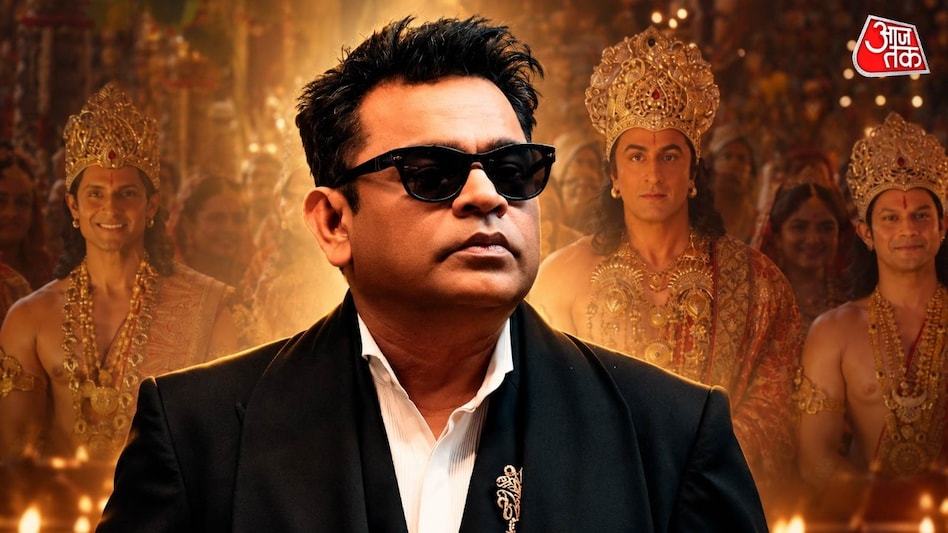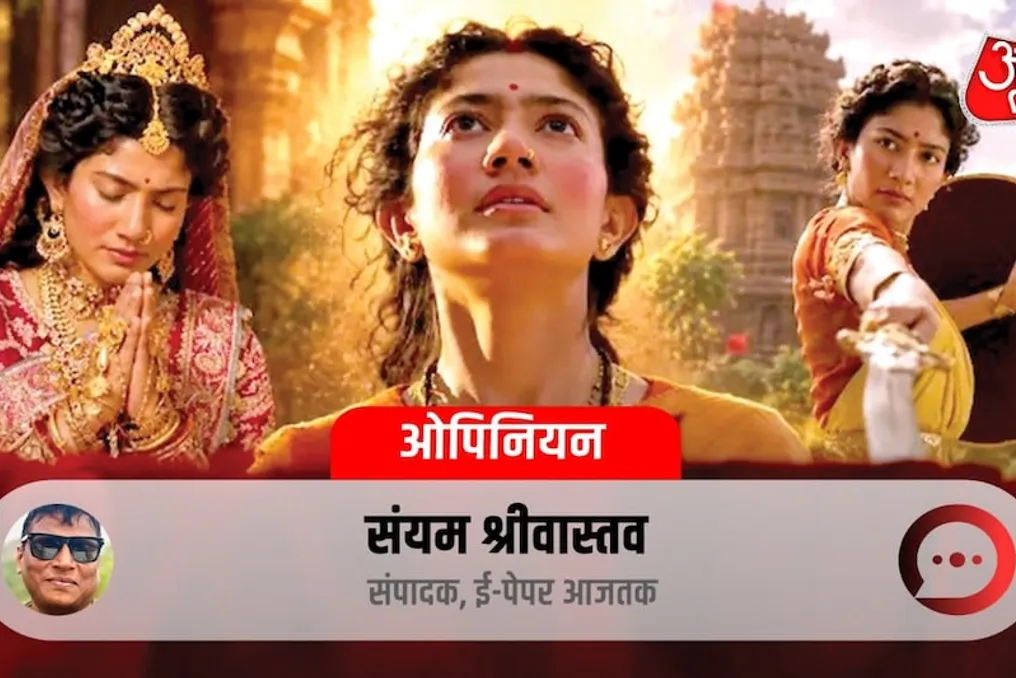
The discussion surrounding Sai Pallavi's casting as Sita in the Ramayana, voiced by Nitesh Tiwari, has been labeled unnecessary and superficial. Social media is filled with comments regarding her appearance, curly hair, and facial features. Some consider her less suitable compared to Deepika Chidhlia's portrayal in the series Ramanan Sagar or the idealized images from calendars. However, this debate actually highlights the weakness of racism and traditional beauty standards in Indian cinema and society. It is argued that Sai Pallavi's face is genuinely Indian, and she is capable of better reflecting the essence of Sita.
The image of Sita has been presented in various forms throughout the centuries—in poetry, painting, theatre, and local traditions. In Valmiki's Ramayana, her beauty is described poetically: the radiance of molten gold, yellow silk, the image of a lotus. This is not a modern casting photograph. Although her features are also mentioned in the works of Tulsidas and other authors, they do not dictate an obligatory image of fair skin, straight hair, and sharp features. In South Indian films and many local depictions, Rama is shown as blue or dark, and Sita as dark or medium-toned.
The 1987 series Ramanan Sagar cemented a certain image in the minds of generations in the Hindi region. It was an influential interpretation, but not the only true version. The Ramayana can be viewed anew by every new generation and in new media. If the same old picture is always required, why are remakes necessary?
A double standard is evident in this debate. Rama is called 'Nila Megh Shyam' (blue-dark), yet casting light-skinned or pale actors like Ranbir Kapoor does not face the same scrutiny. When Kriti Senan was chosen for the role of Sita in the film Adipurush, her appearance did not cause such a large uproar. The attack on Sai Pallavi becomes personal, touching upon her hair, skin, and pores. This is not just a critique of style; for decades, Indian cinema and advertising have established a standard of female beauty based on fair skin, straight hair, and sharp features. Sai Pallavi, in her films (Fida, Love Story, Shyam Singh Roy, Gargi), worked naturally, rejecting bleaching creams and openly discussing acne and beauty standards. Her appeal is based not on glamour, but on self-expression and depth. The character of Sita also embodies courage, patience, dignity, and resilience, rather than participation in a beauty pageant.
Some arguments raised by casting critics relate to language and 'divinity.' Remarks were made about her knowledge of Hindi. It is suggested that Sita from Mithila might have spoken Maithili, and Rama from Ayodhya—Awadhi. Modern Hindi is not an ancient imperative. Dubbing can be used, but it should not be grounds to deny her acting skills. Older statements were also brought up, but the requirement for the role is emotional depth and inner strength. Since she is an actress from South India, regional nuances have permeated her performance. Nevertheless, opinions vary both in the south and the north. The grandson of Ramanan Sagar also highly praised Sai. Deepika Chidhlia complimented her talent, stating that audiences would accept her after the film's release.
Critique of style can be a separate issue. In some promotional stills, jewelry and curls appear excessive. Moderation might have been preferable to maintain Sita's dignity. However, this is not the actress's responsibility. This is determined by the costumes, makeup, and direction. Criticizing the extravagance of the film is fair, but not her face. The Ramayana lives because it is presented in a new guise in every era. Poetry, theatre, television, cinema—each interpretation chooses its own variant. If we accept the familiar image as final, the life force of the story will disappear.
Sai Pallavi's face reflects the real diversity of India. Curly hair, medium skin tone, and natural features are common among Indian women. Forcing Sita to be exclusively beautiful weakens her inner strength. Her patience in Ashoka Vatika, her dignity during the fire ordeal, and her selflessness stem more from acting and script than from appearance. The film has not been released yet, so drawing final conclusions from promotional stills is premature. Audiences should watch the film first and then form their opinion.
This debate reminds us that in Indian society, a woman's divinity is often equated with external beauty. Rama's image may change, but Sita's supposedly cannot. This is unfair. An actress like Sai Pallavi can break this cycle. If her Sita is natural and expressive, she will convey to many young women the message that divinity and strength do not depend on a specific skin color or hair type. The strength of the Ramayana lies in its values, not in any single casting photograph. It would be right to focus on the story and the performance, abandoning unnecessary aesthetic checks.