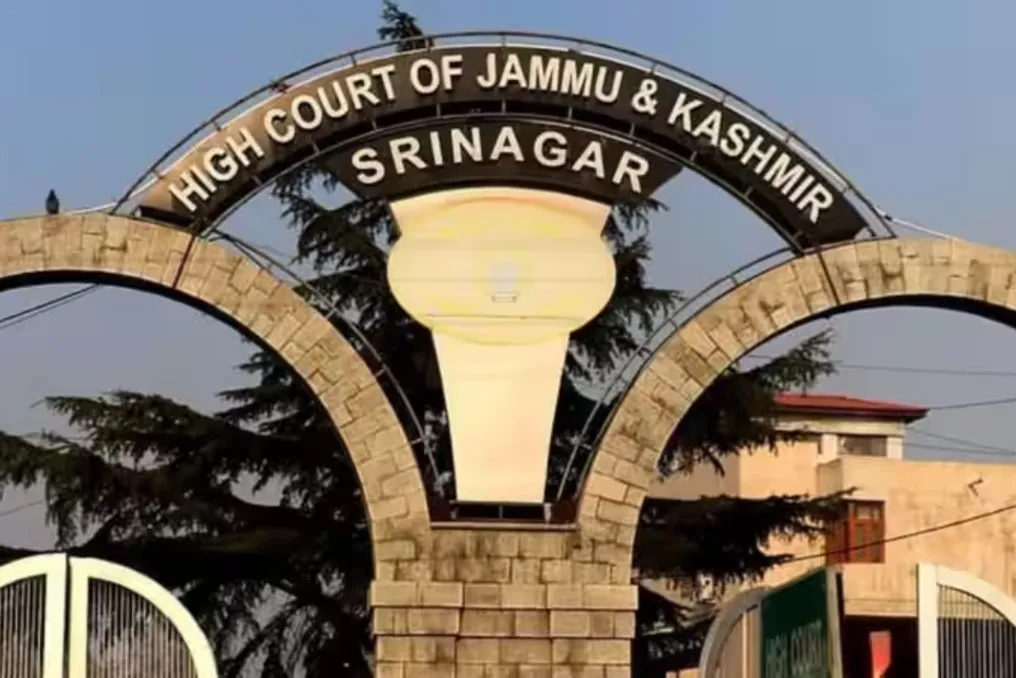
The Supreme Court of Jammu and Kashmir and Ladakh declared the Water Resources Act of 2010 invalid on Thursday. The court ruled that charges for water usage levied on hydropower projects effectively constituted a tax on electricity generation, which exceeded the authority of the former state legislature.
The bench, comprising Sanjay Dhar and Rajnesh Oswal, annulled demands directed at 13 independent power producers and prohibited the Government of Jammu and Kashmir from imposing any tax on power generation under the guise of water usage fees or any other charges.
The producers challenged the law, arguing that the fees set by the Water Resources Regulatory Authority on April 2, 2019, depended on the height at which the water turned the turbines, rather than the volume of water consumed, which essentially amounted to a tax on energy production.
The government, in turn, defended the levy by citing its powers to regulate water use and storage, the National Water Policy, and the need to conserve Jammu and Kashmir's water resources. However, the Court dismissed these arguments, establishing that the legislative act exceeded the competence of the former state at the time of its enactment.
Furthermore, the Court rejected the arguments of the Government of Jammu and Kashmir that subsequent adoption of the law under the Jammu and Kashmir Reorganisation Act of 2019 granted it legitimacy. The Supreme Court noted that a law that was unconstitutional upon its introduction cannot be deemed valid solely due to its subsequent adoption by Parliament.