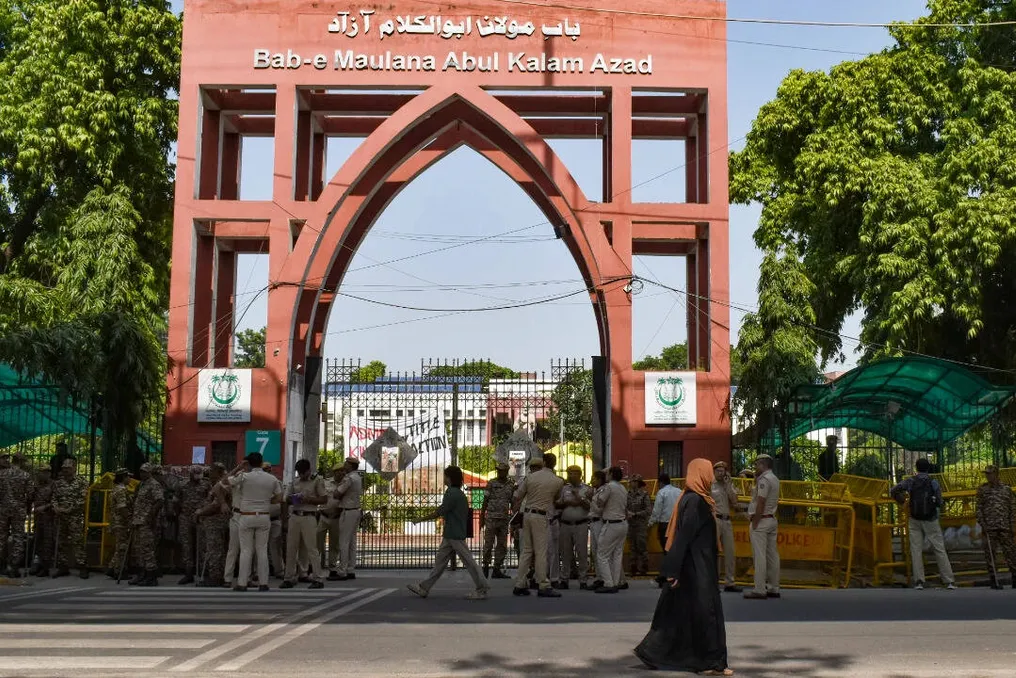
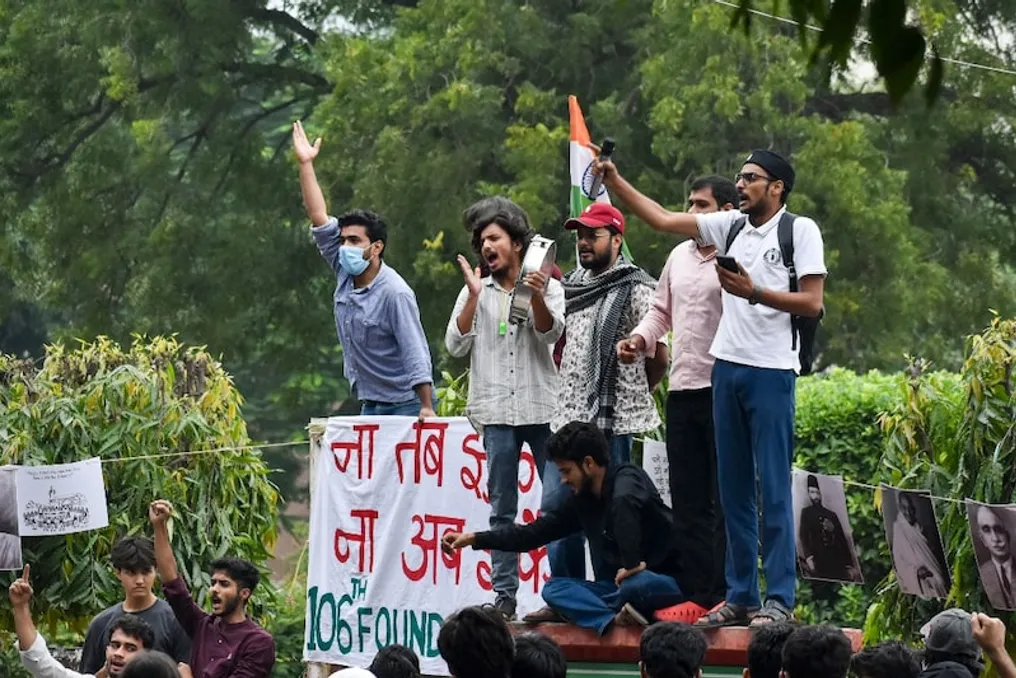
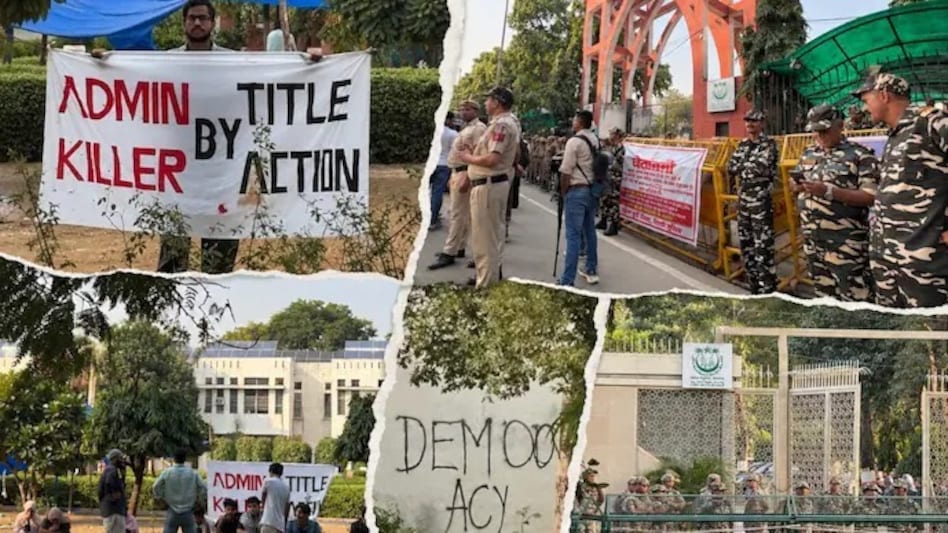
A struggle for student representation has erupted at Jamia Millia Islamia as there is a long-standing deadlock between the university administration and students regarding basic demands, such as the restoration of the student council.
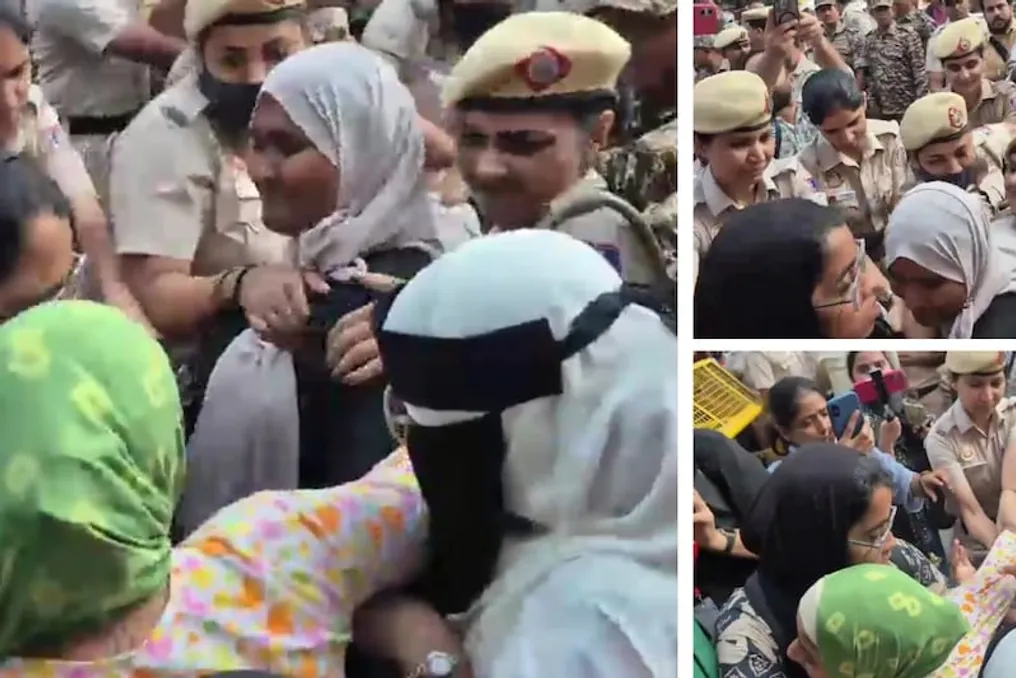
Elections for the student council at Jamia have not been held since 2006. General discussions about campus democracy have escalated into serious protests, including hunger strikes, police presence, disciplinary actions, and disruptions to academic activities. During the observation of events, attention was focused not only on the election timelines but also on the terms of a potential agreement between students and the administration, as disagreements persist between the parties regarding the process. The question arises as to how this dispute can be resolved and when academic activities can resume normally.
Students continue to hold demonstrations near Gate No. 7 next to the administrative block, demanding the formation and holding of elections for the student council, as well as the release of detained activists. They also demanded the resignation of the Proctor, accusing him of blindly following orders rather than making independent decisions, in an interview with India Today.
The students' arguments are not limited to Jamia; they question why Jamia lacks a student council if such bodies exist at Jawaharlal Nehru University (JNU) and Aligarh Muslim University (AMU). Activists supported the demand for the existence of student councils and elections in various IITs and private universities across the country, which stems from long-standing dissatisfaction. At Jamia, students have been without an elected student council for nearly two decades since the last vote in 2006. Two hunger strikes began as part of the current movement on October 11.
However, the path to resolving this dispute has proven difficult. A new conflict occurred between students and the administration, led by Custodian Professor Majhar Asif, on October 26. Although a working group was formed within the proposed agreement with a deadline set for December 20, protesting students claim that their concerns remain unaddressed. Students insisted on the publication of an official notification guaranteeing the electoral process, as well as assurances that the process would not be halted again after the stipulated period due to additional approval conditions.
The agreement and related disputes quickly became a new reason for clashes, as the arrangement could not last long. Students questioned the terms of signing the agreement, asserting that the student who signed the document on October 26 had already been participating in protests for several days and was exhausted. Due to this disagreement, the most important question remains unanswered: will the administration and protesting students be able to reach an agreement that ensures a clear and reliable path to elections, or will the movement be limited to a temporary cessation of unrest?
Protesters note that many students are forced to spend nights outdoors, facing issues with insects and weather. On the evening of October 27, hundreds of students residing in hostels took to the campus with torches to demonstrate solidarity. After this, reports of vandalism in the media became less frequent.
Campus Provisioning Issues
In an exclusive interview with India Today, one postgraduate student spoke about the reasons for his participation in the movement. Members of the All India Students Association (AISA) and the National Students Union of India (NSUI) are also among the participants. He stated that the administration ignores minority rights, emphasizing that a large number of minority students study at Jamia, and protecting their rights is crucial.
Students present at the protest site reported shortages of food, clothing, and medicine. They mentioned that due to prohibitory orders under Section 163 of the Bharatiya Nagarik Suraksha Sanhita (BNSS), food is being delivered secretly. Student Nivel reported that students are collecting resources independently to continue the protest, uniting and using all available means to support the movement and meet their demands.
A Jamia postgraduate student and Lubayb, participating in the movement, accused the university of ceasing the supply of necessary goods. Lubayb stated: 'The institution has completely stopped supplies. Perhaps it wants us to starve to death.'
Jamia student and AISA member Mantha Irfan reported that women at the protest site lack essential items. Irfan noted: 'We do not have sanitary pads, we do not have...'