Deposit Guarantee Agency in Uzbekistan seeks cooperation with German bank compensation system
Read more
UzDaily
uzdaily.uz

Deposit Guarantee Agency in Uzbekistan seeks cooperation with German bank compensation system

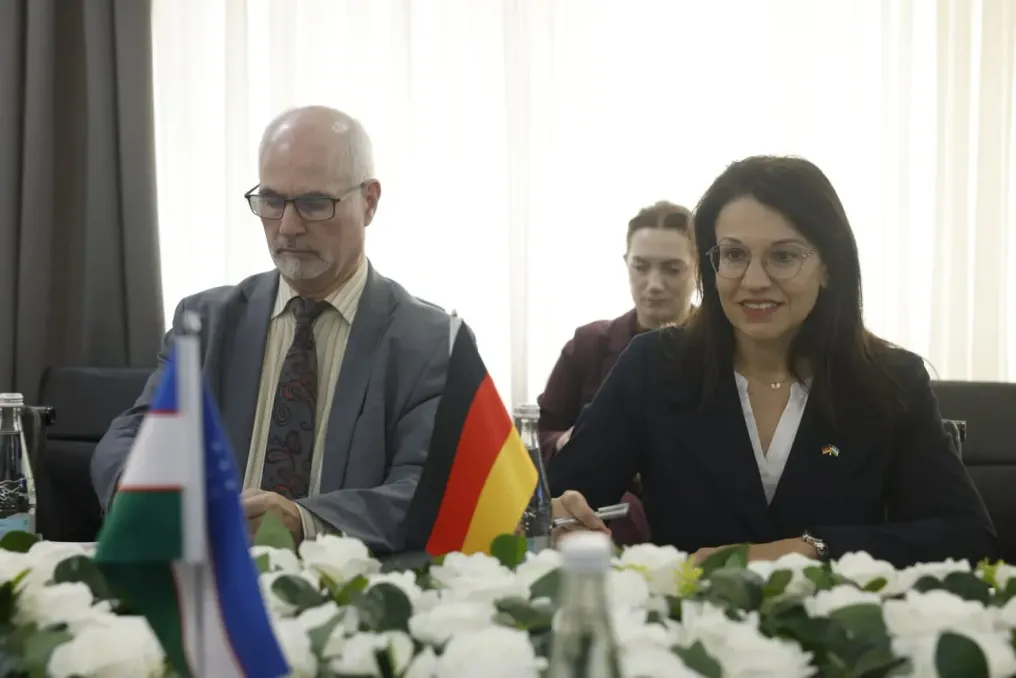
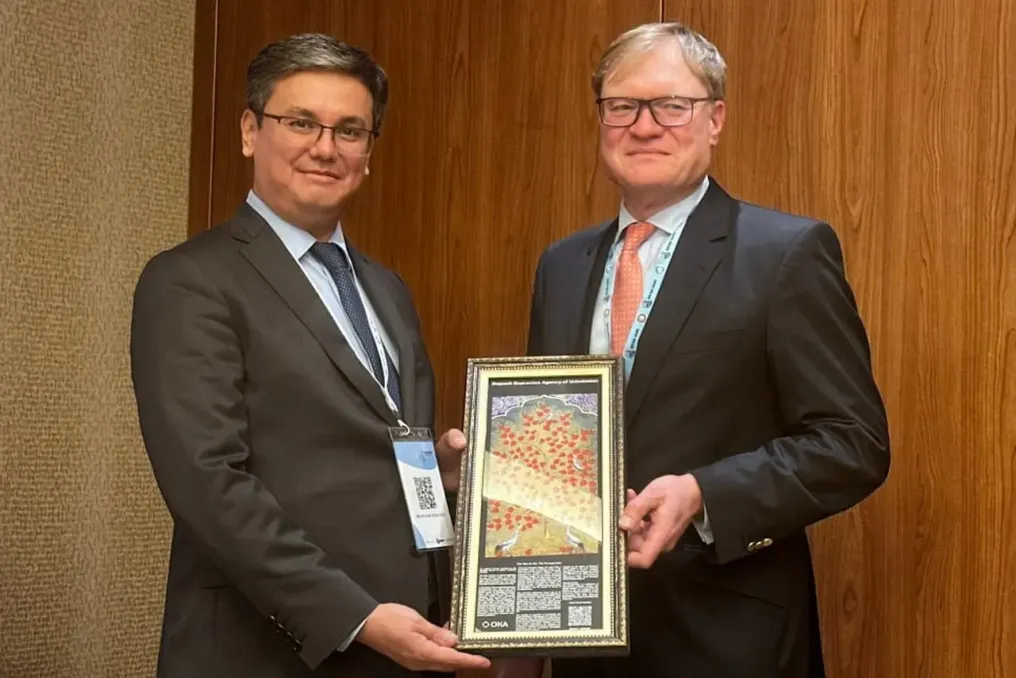
The Deposit Guarantee Agency of Uzbekistan proposed establishing official cooperation with the German Compensation Scheme for German banks (EdB). This proposal followed discussions on deposit protection practices during the 25th annual general meeting of the International Association of Deposit Insurers (IADI), which took place in Berlin.

A delegation from the Uzbek agency held a meeting with the management of EdB, which marked the first direct conversation between the two organizations. Discussions focused on Germany's experience in organizing compensation payments to depositors, utilizing the resources of the deposit guarantee fund, and applying risk-based contribution systems. The parties also examined stress-testing methods.

Representatives of EdB shared their experience compensating over 20,000 depositors following the collapse of Greensill Bank in 2021. After this meeting, the Deposit Guarantee Agency of Uzbekistan proposed signing a memorandum of cooperation with EdB.

The proposed agreement envisages the exchange of information and practical experience, as well as professional development opportunities for specialists. Furthermore, representatives of the Uzbek agency participated in a session of the IADI Executive Board, which was part of the event, and this session was identified as the 86th.

Similar stories

Uzbekistan and Italy Sign Agreement on Deposit Insurance Cooperation
Read more
uzdaily.uz

Uzbekistan and Italy Sign Agreement on Deposit Insurance Cooperation

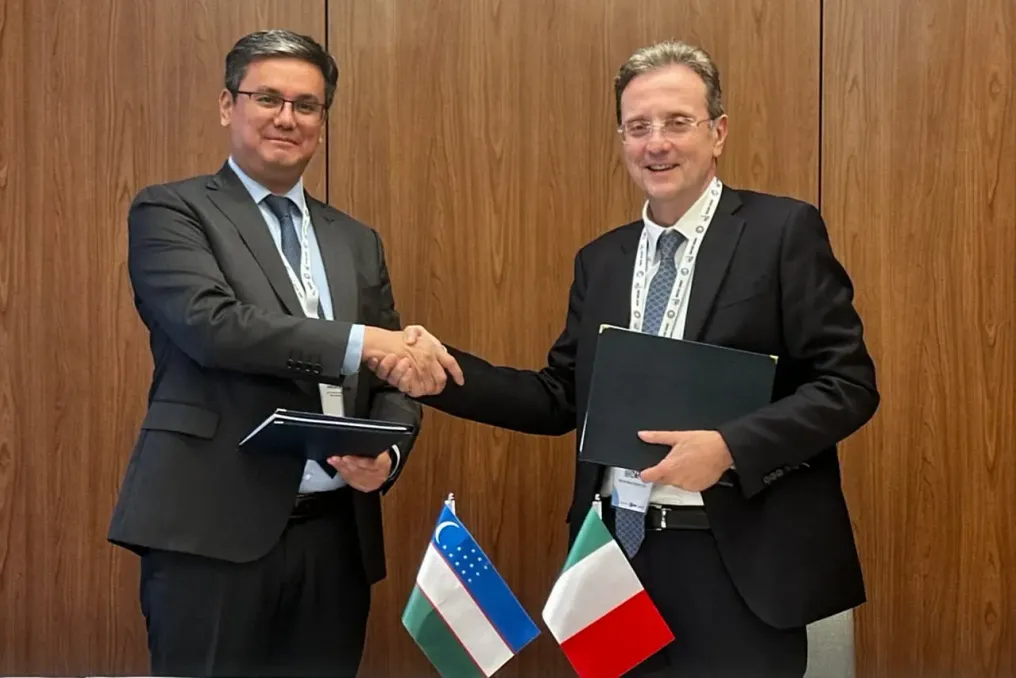
The Deposit Guarantee Agency of Uzbekistan and the Italian Fund for the Protection of Bank Deposits (FITD) signed a memorandum of understanding. The goal of this agreement is to strengthen bilateral cooperation in the field of depositor protection and improve national deposit guarantee systems.

The signing took place on October 27 in Berlin during the 25th annual general meeting of the International Association of Deposit Insurers (IADI).

Key Provisions of the Agreement

This memorandum establishes a framework for interaction between the two institutions, with a particular focus on protecting depositors' interests and developing deposit insurance mechanisms.

Under the agreement, the parties plan to exchange experience on organizing compensation payments to depositors, as well as improving methods for calculating deposit insurance contributions based on risk levels.

Other areas of cooperation include developing public awareness strategies, exchanging experience in investment policy, and studying mechanisms for intervening in banking operations.

According to the Deposit Guarantee Agency of Uzbekistan, this memorandum is intended to expand international cooperation and facilitate the study of foreign experience in deposit insurance. Furthermore, the agency noted that the partnership will help further improve Uzbekistan's national deposit guarantee system.

Uzbekistan and Germany plan to expand cooperation in the agricultural sector
Read more
uzdaily.uz

Uzbekistan and Germany plan to expand cooperation in the agricultural sector

Uzbekistan and Germany intend to deepen their partnership in the agricultural industry by focusing efforts on professional training, scientific research, the implementation of modern technologies, and support for farms.

Discussions on the prospects for bilateral interaction took place during a meeting between Uzbekistan's Minister of Agriculture, Ibrohim Abdurakhmonov, and a German delegation led by German Ambassador Matthias Follerth, as well as Martin Englardt-Kopf, Parliamentary State Secretary of the German Federal Ministry of Food, Agriculture and Regional Identity.

According to data presented at the meeting, the volume of bilateral trade in agricultural and food products reached 61.3 million US dollars from January to September 2026.

The countries also noted the existing memorandum of cooperation in veterinary medicine and animal husbandry, signed on September 15, 2024, as a basis for further joint development.

One of the initiatives discussed was the possible establishment of a German agricultural center at the National Center for Knowledge and Agricultural Innovation in Uzbekistan (AKIS). This center is intended to promote cooperation in the fields of agrarian knowledge, innovation, and the application of advanced agricultural practices.

The parties also considered the possibility of developing financial programs for farmers using German experience in agricultural lending, as well as improving the management of agricultural cooperatives. Furthermore, it was proposed to create a regional platform for exchanging agricultural technologies between Central Asian countries.

In terms of agricultural education and practical training, the project of creating a modern educational and demonstration center in cooperation with the University of Applied Sciences Weinstadt-Triesdorf was discussed. The proposed site will include infrastructure for housing 200 head of livestock and an experimental field of 50 hectares. The goal of this project is to combine the educational process with practical training and the application of modern agrotechnologies.

Scientific cooperation also became a key area of discussion. The parties considered conducting joint research with the Julius Kühn Institute of Germany on maintaining soil fertility in rice fields and improving the cultivation technologies for cover crops. Potential interaction with the University of Hohenheim regarding water-saving and digital agricultural technologies for growing fine-spun cotton was also discussed.

These steps will allow for the expansion of interaction between Uzbek and German agricultural institutions in the fields of research, education, and the practical use of agricultural technologies. At the conclusion of the negotiations, the parties agreed to continue working on the stated areas, develop the proposed initiatives, and increase joint agricultural projects.

Uzbekistan proposes introducing a deposit system for plastic bottles and aluminum cans
Read more
uzdaily.uz

Uzbekistan proposes introducing a deposit system for plastic bottles and aluminum cans

Uzbekistan has put forward a proposal to implement a mandatory return system with a deposit for glass and plastic bottles, as well as for aluminum beverage cans.

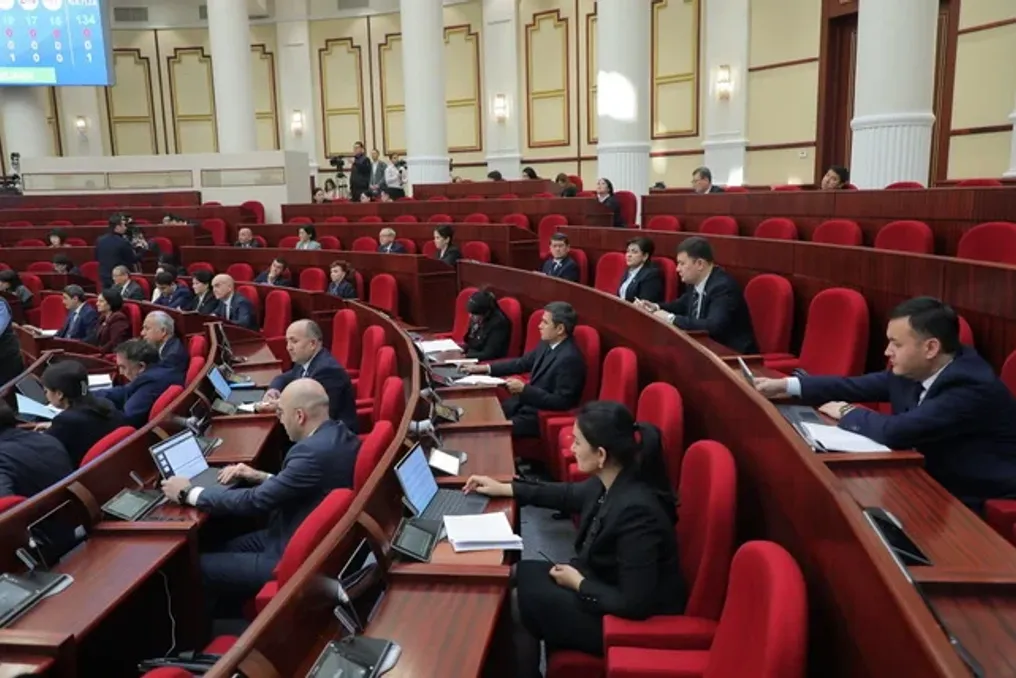
This initiative is linked to the revised draft law 'On Waste'. Iskandar Kutbiddinov, Deputy Chairman of the National Committee on Ecology and Climate Change, presented this proposal at a session of the Oliy Majlis Legislative Chamber on October 20.

Kutbiddinov noted that the existing system does not provide sufficient economic incentives for separate packaging collection. He emphasized that the voluntary system has not been implemented in practice, and the recycling rate for such waste remains low—only 6.2%.

According to Kutbiddinov, manufacturers and retailers should be given a phased transition period to establish the necessary infrastructure.

Under the deposit system, the returnable deposit is included in the product price, and consumers receive money back when returning empty containers to collection points. In several European countries, bottles can be returned via recycling collection machines in or near stores, after which the collected packaging is sent for recycling.

The committee expects that this system will stimulate separate waste collection, increase the inflow of recyclable materials, and reduce environmental pollution.

The session did not specify the proposed deposit amount, who will manage the system, where containers can be dropped off, or when the new rules will come into effect. It was also unclear how the mandatory deposit return system is reflected in the draft law.

A similar mechanism is already being tested in Uzbekistan. In September, the Agency for Waste Management and Circular Economy, together with the Norwegian company TOMRA, launched a pilot project for container collection through recycling collection machines. The first machines began operating in Tashkent and Surkhandarya region on September 23.

Consumers receive 150 soms for each bottle or can returned. These funds can be transferred to an electronic wallet via Click or donated to charity. Unlike the deposit system, the current scheme rewards consumers without requiring them to pay a deposit when purchasing the beverage.

The revised law also expands the responsibility of producers and importers for waste generated from certain types of products and packaging. A fee for recycling will be charged in certain cases. Kutbiddinov stated that this measure should reduce waste generation, encourage recycling, and oblige producers and importers to participate in waste management costs.

According to the committee, in 2025, Uzbekistan produced 15.1 million tons of household waste, but only 5.2% of it was sorted. The country still lacks an integrated system linking separate waste collection with the transfer of materials to recycling enterprises.

The draft law consists of nine chapters and 60 articles. In addition to packaging recycling, it establishes waste classification based on hazard levels and clarifies the duties of state bodies and operators. The document also introduces new requirements for landfills and waste processing stations, as well as changing sector financing mechanisms.

Returning containers using a deposit system was previously included in the list of promising innovative projects in the presidential decree of May 31, 2023.

In January 2025, the Ministry of Ecology proposed obligating non-alcoholic beverage producers to recycle 50% of their plastic packaging by 2026, 75% by 2027, and 100% by 2028. The session did not clarify whether these targets are included in the new draft law.

The Legislative Chamber approved the bill in the first reading on October 20. For the new rules to take effect, the draft must undergo further legislative procedures.
Popular