Remasters seem simple: take a beloved game, improve the graphics, and sell it again. However, this did not work in this case or in three other examples from this list, and each of them left behind its own lesson.
Silent Hill HD Collection: A Code That Wasn't Final
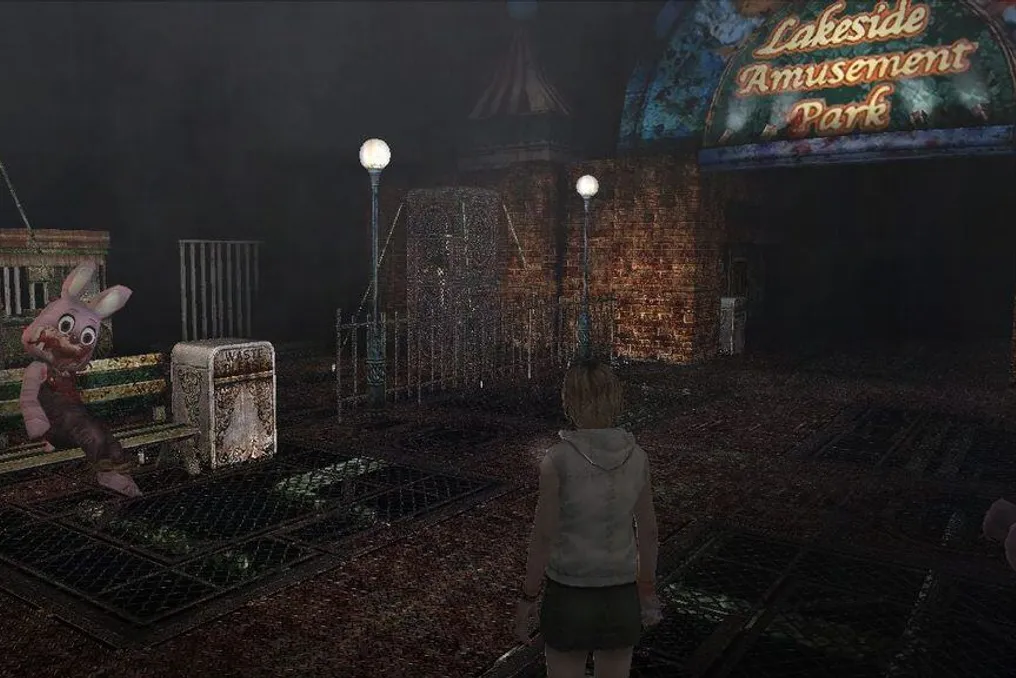
The Silent Hill 2 and 3 collection, released in March 2012 for PS3 and Xbox 360, was based on a file from Konami that did not contain the final versions of the games. To fill the gaps, the team used placeholder code strings, which led to unforeseen errors. They had to extract objects, textures, models, and sounds from the already compiled game. The result was strange: Heather's skin and clothing color changed from one scene to another. On PS3, the frame rate was unlocked but fluctuated, the mandatory installation required 4 GB, and the fog was weak. Konami released a patch for PS3 but canceled it for Xbox 360 in August 2012. The takeaway: the final version of the code should be archived, and the studio should be chosen based on remastering experience, not old ties.
GTA: The Trilogy: Too Much Rain and Erroneous Text
The trilogy, developed by Grove Street Games, not Rockstar, based on Unreal Engine 4, was released on November 11, 2021. Shortly after the release, Rockstar removed the game from PC to remove accidentally included files, and the launcher malfunctioned for over 18 hours. Players encountered rain that obscured vision, a lack of fog, ugly character models, and text errors on signs caused by AI upscaling, such as 'Tiny' turning into 'my'. On November 19, Rockstar apologized in an official note, stating that the updated versions of these classic games 'were not released in a state meeting our own quality standards.' Patch 1.03 fixed 117 errors on November 30, and a broader update appeared on November 12, 2024. The lesson: AI upscaling only works with decent source art and human verification. A remaster requires artistic direction.
Warcraft III: Reforged: Promises That Did Not Materialize
The game, announced at BlizzCon 2018 as a complete overhaul, was released on January 28, 2020, without the reworked cinematic videos promised in the marketing, nor without clans, ladders, or profiles. The new terms of use gave Blizzard ownership of custom games, and the original Warcraft III began running in the Reforged client. User ratings on Metacritic dropped sharply, and in February, Blizzard allowed unlimited refunds. Behind the scenes, the team could not hire staff due to budget constraints, and the release was rushed due to pre-order volume. The lesson: you cannot sell something that doesn't exist yet, and you cannot ignore custom map creators.
Total War: Shogun 2 Complete Edition: Two Days in Stores
This edition, combining the 2011 game and all DLC in an updated and improved version, was developed by MATABOO, Creative Assembly, and Sega, although Creative Assembly denies developing the game. Released on October 13, 2026, it was pulled from sale on October 15. It contained both old and new bugs; original game mods stopped working, and flags and faces on illustrations turned into blurry spots, which players attributed to AI expansion, although Sega did not mention this in its statement. Only 19% of over 2,000 reviews on Steam were positive, and the original, which was separately delisted on September 28, returned to the store. 'This is not a game developed by Creative Assembly. It did not pass our internal checks and quality control,' wrote Roger Collam, Vice President of Total War, in a Steam message. The lesson: outsourcing production does not absolve responsibility for the brand.
What Failures Teach Us
In three out of four cases, the original game disappeared: it was delisted (GTA and Shogun 2) or absorbed into a new client (Warcraft III). This is when the player loses the choice. The success of a remaster depends not only on technology; final code, time, human verification, and the presence of the brand owner are necessary. Ultimately, when buying a remaster, a person wants to revisit a favorite game, not test an unfinished product.