Climate shocks increase health risks for Africa's most vulnerable populations
Read more
CGTN
cgtn.com

Climate shocks increase health risks for Africa's most vulnerable populations

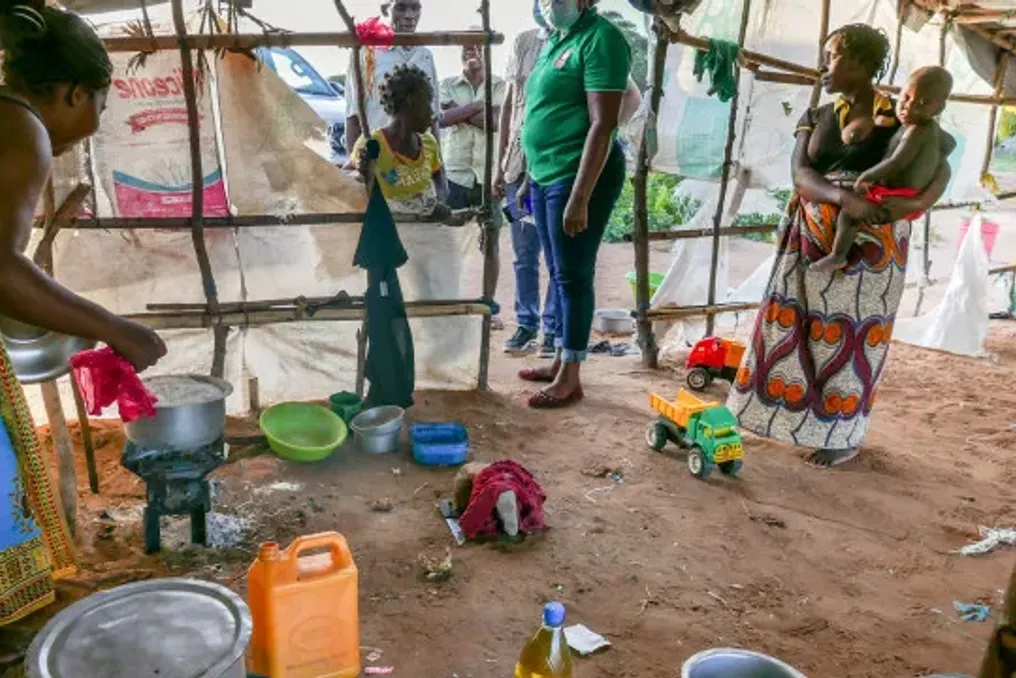
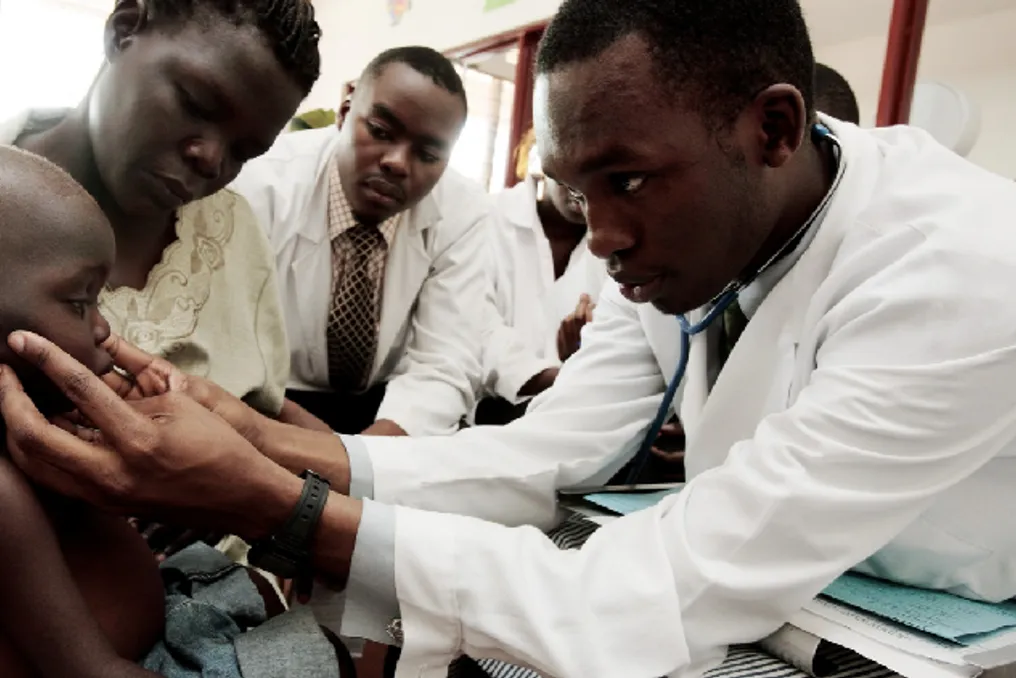
Climate change is transforming the healthcare system in Africa: rising temperatures, unpredictable rainfall, droughts, and floods are worsening food insecurity, increasing the threat of infectious diseases, and placing additional strain on already fragile healthcare systems.

These negative consequences are felt most acutely by vulnerable communities, highlighting the critical importance of taking action to combat climate change and build resilient healthcare systems to secure the continent's future.

John Wafuula, a humanitarian specialist at the United Nations Population Fund (UNFPA) in Kenya, notes that the impact of climate change goes beyond mere environmental damage, disproportionately affecting vulnerable groups and limiting their access to essential medical care and support.

In many African countries, households depend on rain-fed agriculture for sustenance and income. When climate shocks lead to crop failure, livestock loss, and other productive asset destruction, families can lose years of hard labor, deepening poverty and leaving them uncertain about their future.

Climate variability also exacerbates existing public health challenges. Floods can contaminate water sources and raise the risk of waterborne diseases, while drought reduces access to safe water and jeopardizes sanitation and hygiene. Furthermore, changes in temperature and precipitation can influence the spread of disease burdens across the continent.

The World Health Organization (WHO) predicts that by 2030–2050, climate change could cause an additional 250,000 deaths annually due to malnutrition, malaria, diarrheal diseases, and heat stress.

Women and vulnerable groups face growing risks

However, the impact of climate change is not distributed evenly. Women and girls, the elderly, people with disabilities, refugees, and other displaced groups may face additional barriers to accessing basic services and support.

Wafuula points out that livelihood destruction can force some women into dangerous survival methods, including sex work, which increases their vulnerability to exploitation, violence, and health risks. He adds: 'Such circumstances can exacerbate psychological distress, especially when protection and health services are unavailable.'

Across Africa, prolonged droughts compel women and girls to travel long distances in search of water, increasing their vulnerability to security threats and potential violence. According to a 2025 World Bank report on women and climate adaptation, women face several barriers to adopting climate-resilient agriculture, including unstable land rights, limited access to climate information, and increased risk aversion due to economic vulnerability.

Limited access to information also contributes to low uptake of weather insurance, while their susceptibility to risks, including fertility and childcare-related health issues, further complicates this situation. Domestic responsibilities also restrict their participation in non-farm activities, narrowing opportunities for income diversification and migration in response to climate shocks.

Climate change is intensifying displacement

Moreover, environmental pressures often intersect with conflict, instability, and poverty, forcing families across Africa to leave their homes in search of safety and livelihoods. This creates another vulnerable group—people displaced by climate shocks and their cumulative effects.

Wafuula asserts that climate change has contributed to the movement of people seeking refuge in Kenya, particularly in the Dadaab and Kakuma refugee camps in northern Kenya. He explains: 'Most of the population arriving in the Dadaab and Kakuma refugee camps over the past five years is a result of climate change in their respective countries. Food insecurity, limited access to healthcare, and heightened protection risks force many to leave their homelands and move to Kenya as climate refugees.'

Wafuula adds that between 2021 and 2025, the number of refugees in the Dadaab and Kakuma camps in northern Kenya significantly increased. According to UNHCR Portal data, there were 879,452 refugees and asylum seekers in Kenya as of September 30, 2026.

These displacement trends reflect broader climate challenges in the region. Climate change has long been viewed primarily as an environmental issue, but its consequences extend to the social, psychological, and economic aspects of people's lives, undermining their sense of security, dignity, and control over their own lives.

Considering climate change solely as an environmental problem risks ignoring its far-reaching consequences for health, protection, and access to basic services across the region. Wafuula insists on a paradigm shift, recognizing climate change as a human rights issue and placing health at the center of climate adaptation planning.

Strengthening health systems through data and climate finance

Effective climate preparedness depends on reliable data to identify vulnerable groups, map health infrastructure, and forecast emerging risks. In the region, governments collaborate with international partners under climate data initiatives.

Nevertheless, insufficient investment in collecting and coordinating domestic data threatens to weaken early warning systems and delay emergency responses. Wafuula emphasizes the importance of data-driven preparedness to strengthen climate risk response. He stated: 'Governments need interoperable information systems that integrate demographic, health, environmental, and population displacement data. Predictive analytics can help authorities identify high-risk groups, pre-position medicines, and allocate resources before climate hazards escalate into disasters.'

In 2023, Kenya hosted the Africa Climate Summit and Africa Climate Week, creating opportunities to advance continental climate action. The Nairobi Declaration called for increased international support and climate finance to address Africa's challenges. While international climate finance, including support through the Green Climate Fund, offers opportunities to strengthen adaptation, Africa has yet to fully translate these commitments into practical health protection measures.

The WHO warns that areas with weak health infrastructure, especially in developing countries, will be least prepared to cope with climate health risks without support for preparing for and responding to these challenges.
Similar stories

UN alerts: Greenhouse gases reach record levels, intensifying global warming in 2025
Read more
g1.globo.com

UN alerts: Greenhouse gases reach record levels, intensifying global warming in 2025

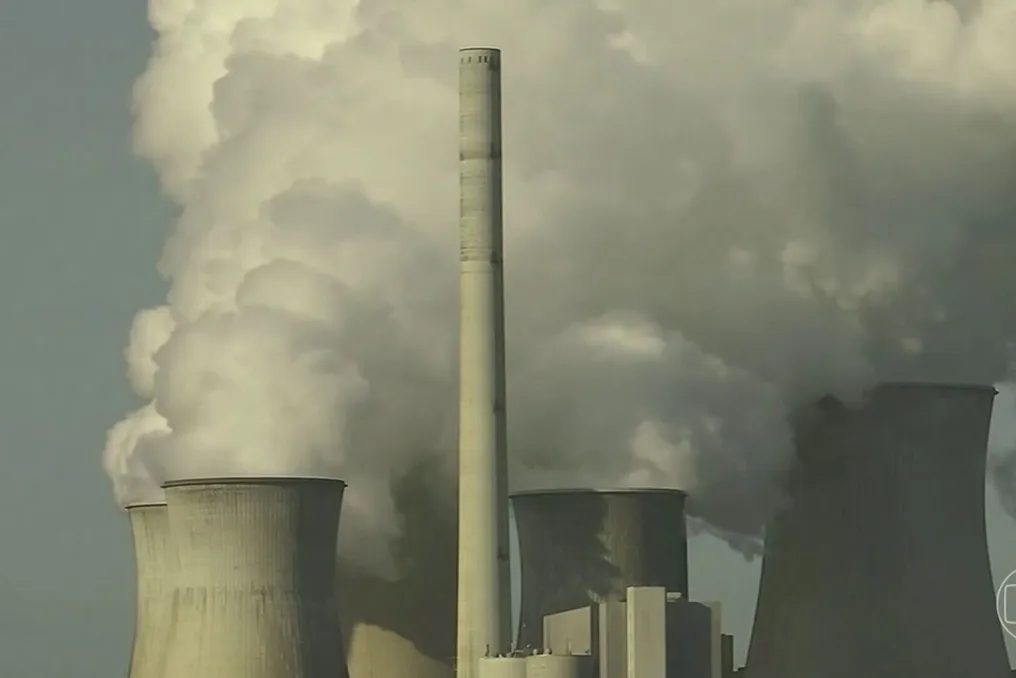
Atmospheric concentrations of greenhouse gases registered new peaks in 2025, increasing heat retention on the planet and accelerating global warming, according to a recent report from the World Meteorological Organization (WMO) released on Tuesday, the 27th.

The United Nations (UN) agency reported that the global average of carbon dioxide (CO2), the main gas associated with human-induced warming, reached 426.8 parts per million (ppm) in 2025. This value corresponds to 153% of the level existing in the pre-industrial era of 1750. In practical terms, this means that about 427 air molecules out of a million are composed of carbon dioxide.

This data also signals a 53% increase compared to the period before industrialization. Although the increase in CO2 compared to 2024 was only 2.8 ppm, the total volume remains higher than the average observed in recent decades. The WMO points out that the rate of CO2 growth in the atmosphere has tripled since the 1960s; during that period, the average increase was 0.8 ppm annually, rising to 2.4 ppm between 2011 and 2020.

Since the agency began publishing its annual greenhouse gas bulletin in 2004, the global average concentration of CO2 was 377.5 ppm.

Ko Barrett, WMO Deputy Secretary-General, commented that 'another year, another new record. Greenhouse gases are retaining an unprecedented amount of heat in the atmosphere, providing energy for more extreme weather phenomena and increasing risks to our economies and societies.' She added that 'the last 11 years have been the hottest ever recorded, and this trend is expected to continue. CO2 remains in the atmosphere for a long time, and therefore, it will affect the global climate not just for years, but for decades and even centuries.'

The report also highlighted that methane (CH4) and nitrous oxide (N2O), two other long-lived greenhouse gases, also reached unprecedented levels.

In 2025, methane registered a global average of 1,948 parts per billion (ppb), which is equivalent to 267% of the pre-industrial level, representing a 167% increase compared to 1750. About 65% of these emissions come from human activities, such as livestock farming, rice cultivation, fossil fuel extraction, landfills, and vegetation burning, while the remaining 35% are of natural origin, such as wetlands.

Regarding nitrous oxide, the third long-lived greenhouse gas, it reached an average of 339.1 ppb in 2025, corresponding to 126% of the 1750 level, or 26% above the record from that period. This gas is released by both natural processes and human interventions, mainly due to the use of agricultural fertilizers, vegetation burning, and certain industrial processes.

The WMO emphasizes that the constant increase in these concentrations implies that the atmosphere is accumulating more and more heat. Data from the U.S. National Oceanic and Atmospheric Administration (NOAA) indicates that between 1990 and 2025, the warming impact generated by these long-lived gases grew by 56%, with CO2 being responsible for approximately 81% of this increase.

The agency clarifies that the figures presented reflect the total amount of gases accumulated in the atmosphere, not just the volume emitted in the last year. The UN warns that events such as extreme heatwaves, droughts, and severe floods have impacted millions of people and generated billions of dollars in losses just this year.

This happens because approximately half of the CO2 released annually remains in the atmosphere, while the rest is absorbed by the oceans and terrestrial ecosystems, such as forests. However, the capacity of these environments to remove carbon from the air can vary depending on climatic conditions.

According to the WMO, the slower growth in CO2 concentration between 2024 and 2025 is due to the recovery of the carbon absorption capacity of terrestrial ecosystems and the decrease in emissions caused by forest fires. Oksana Tarasova, a WMO scientist, explained that 'the more moderate growth between 2024 and 2025 reflects the recovery of carbon absorption capacity by terrestrial ecosystems and the reduction in emissions caused by fires in 2025, after the strong El Niño of 2023 and 2024.'

Despite this slowdown in pace, the expert warns that the amount of carbon accumulated in the atmosphere continues to rise. She stated that 'an annual increase of 2.8 ppm still represents a significant amount of carbon added to the atmosphere through the burning of fossil fuels.'

The WMO also projects that CO2 concentrations will continue to rise in 2026, driven by the use of fossil fuels and the possibility of an intense El Niño, which could again compromise the vegetation's carbon absorption capacity. Furthermore, the agency warns that climate change may decrease the oceans' ability to absorb CO2, resulting in a larger proportion of emissions remaining in the atmosphere.

Global instability creates both risks and opportunities for the South African economy
Read more
iol.co.za

Global instability creates both risks and opportunities for the South African economy

The South African economy faces a mixed picture due to rising energy prices, climate shocks, and increased demand for industrial metals amid global turbulence.

Pressure on inflation due to energy and food costs

Economist Simon Lacum of Coface warns that geopolitical tensions, reduced energy supplies, and changing weather conditions are putting pressure on businesses. However, growing demand for metals linked to the energy transition could open opportunities for parts of the mining sector.

Lacum noted that global commodity markets have entered a period of renewed volatility, observing an overall rise in prices for energy, agricultural goods, and industrial metals.

These changes directly impact South Africa, affecting inflation, export revenues, business operating costs, and economic growth prospects.

Pressure on inflation due to energy and food costs

Despite Finance Minister Enoch Godongwana's announcement of fuel price reductions under the Medium-Term Budget Policy on Wednesday, South Africa's strong reliance on imported crude oil and petroleum products makes the country vulnerable to rising international energy prices.

Lacum explained that the escalation in the Middle East and concerns over supply disruptions contributed to higher oil prices, while tighter global energy markets supported high fuel costs.

A continuous rise in energy prices typically leads to increased transportation and logistics costs, which intensifies inflationary pressure across the economy. Higher fuel bills can also reduce household purchasing power, and businesses already facing operational difficulties experience additional pressure on their costs.

According to Lacum, commodity prices affect numerous aspects—from inflation and food costs to export revenues, business operating expenses, and growth prospects.

Agricultural markets are experiencing similar uncertainty. Declining global harvests and weather problems have led to rising prices for wheat, maize, and sugar due to tightening supply conditions.

This forecast is particularly relevant for South Africa and the wider Southern African region, where projections indicate an increasing likelihood of El Niño-related weather disturbances in the upcoming agricultural season.

The analysis warns: "Reduced rainfall and rising temperatures may affect crop production, livestock, and water availability."

If agricultural output weakens simultaneously in several key producing regions, the consequences could extend beyond farming communities. Rising food prices will directly affect consumers and may intensify inflationary pressure.

Food inflation is particularly significant in developing economies like South Africa, where food constitutes a large portion of household budgets. Sustained increases in staple food prices can reduce disposable income and negatively impact consumer spending.

Positive aspects for the mining sector

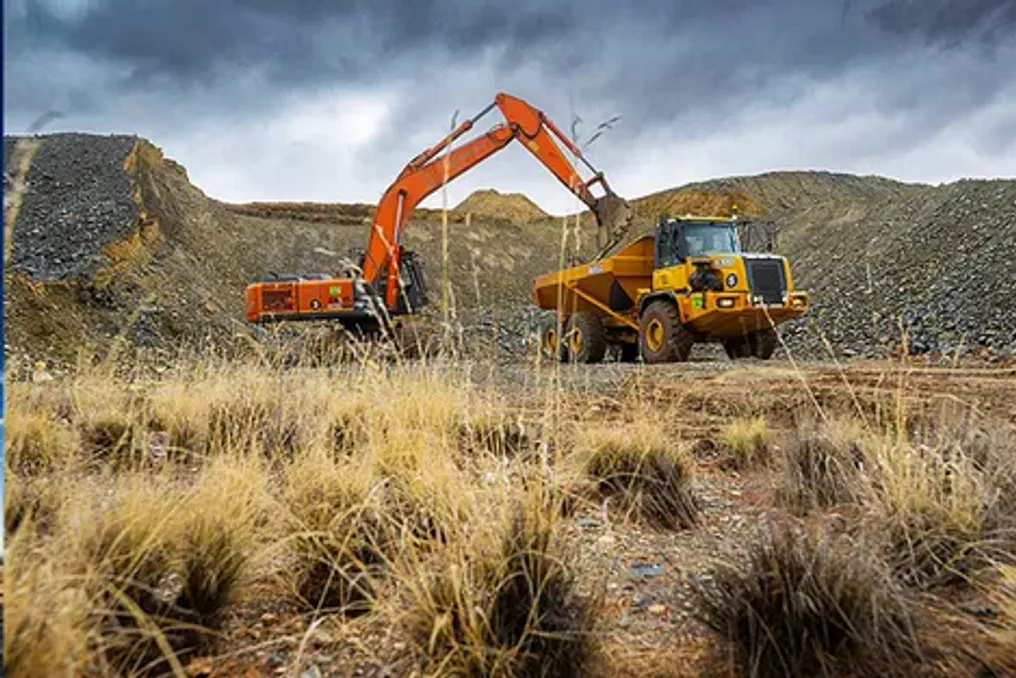
Not all trends are negative. Higher prices for industrial metals, particularly copper, which recently reached record levels, could support the South African mining sector.

According to Lacum, the demand driven by electrification, renewable energy infrastructure, data centers, and broader energy transition projects underlies the prices of several industrial metals.

As one of the world's leading producers of several strategic minerals, South Africa is well-positioned to benefit from the growing global demand for metals needed for the transition to low-carbon energy systems.

The mining sector remains a vital source of export earnings, employment, and investment. Consequently, strengthening commodity prices can support activity in specific industries, although the benefit will depend on the minerals produced and prevailing market conditions.

Businesses face more complex risks

Lacum emphasized that the current commodity rally has demonstrated how closely interconnected economic risks are. Geopolitical tension affects energy markets, climate disruptions impact agriculture, and long-term trends such as electrification and digital infrastructure development support demand for industrial metals.

All these factors are transforming commodity markets and influencing economic conditions far beyond the countries where disruptions occur.

For South African businesses, commodity price fluctuations will continue to influence inflation, supply chains, operating costs, and investment decisions across the agricultural, mining, manufacturing, and transport sectors.

Lacum concluded: "While higher prices can create opportunities for exporters and raw material producers, they also introduce additional uncertainty into an already complex operating environment."

He added that companies actively monitoring commodity markets and climate risks will be better prepared to navigate the changing economic landscape.

1.84 million Mozambicans are in a state of severe food insecurity
Read more
noticiasaominuto.com

1.84 million Mozambicans are in a state of severe food insecurity

In September, approximately 1.84 million residents of Mozambique were in a state of severe food insecurity. Despite this, Mozambique demonstrated the largest monthly improvement among tracked countries, reducing the number of affected people by 48%, as published today.

According to the 73rd edition of the Food Security Monitor report, prepared by the Alliance for a Green Revolution in Africa (AGRA), Mozambique ranks third among analyzed countries in terms of the proportion of the population facing food insecurity. The document from this pan-African organization, which promotes agricultural productivity and food security on the continent, indicates that 22% of the estimated population in the country suffers from severe food insecurity.

Despite this statistic, the report emphasizes that the country achieved the best improvement over the analyzed period. The document states that between August and September, the number of people in a crisis or worse food situation decreased by 48%.

According to the report, the number of people with acute food insecurity dropped to approximately 1.84 million in September. However, AGRA warns that the progress made remains vulnerable, especially in northern regions of the country affected by armed conflict.

The report notes that the food security situation in Mozambique remains fragile, with crisis conditions expected until January 2027 in areas affected by conflict in Cabo Delgado and northern Nampula. The document explains that ongoing violence, population displacement, and difficulties accessing livelihoods continue to hinder family recovery in these regions.

In the rest of the territory, most districts are likely to remain in a 'stressed' state regarding food, although some may deteriorate to crisis levels during the next deficit period.

The 1.84 million people identified in the report are in IPC Phase 3 or higher, corresponding to Crisis, Emergency, or Disaster/Famine situations—the three most serious levels of international food insecurity classification.

Among the main risk factors for the coming months is a strong El Niño climate phenomenon. The report states that 'a very strong El Niño is rapidly developing' and there is a high probability that this phenomenon will persist until early 2027.

The document warns that the country may face a 'late and below-average rainy season, higher temperatures, lower agricultural and livestock production, water shortages, and reduced opportunities for agricultural labor.'

In the markets, prices for staple foods showed relatively favorable dynamics. In September, corn cost 15.6% less than a year ago, and rice was 27.6% cheaper than in September 2025. Conversely, fertilizers remained significantly more expensive, with prices for NPK (nitrogen, phosphorus, and potassium) rising by 22.3% and urea, one of the main sources of nitrogen in agriculture, by 41.5%, putting pressure on agricultural production costs.

Popular