UN and African Union Representatives Call on Africa to Accelerate Agricultural Innovation Adoption
Read more
CGTN
cgtn.com

UN and African Union Representatives Call on Africa to Accelerate Agricultural Innovation Adoption

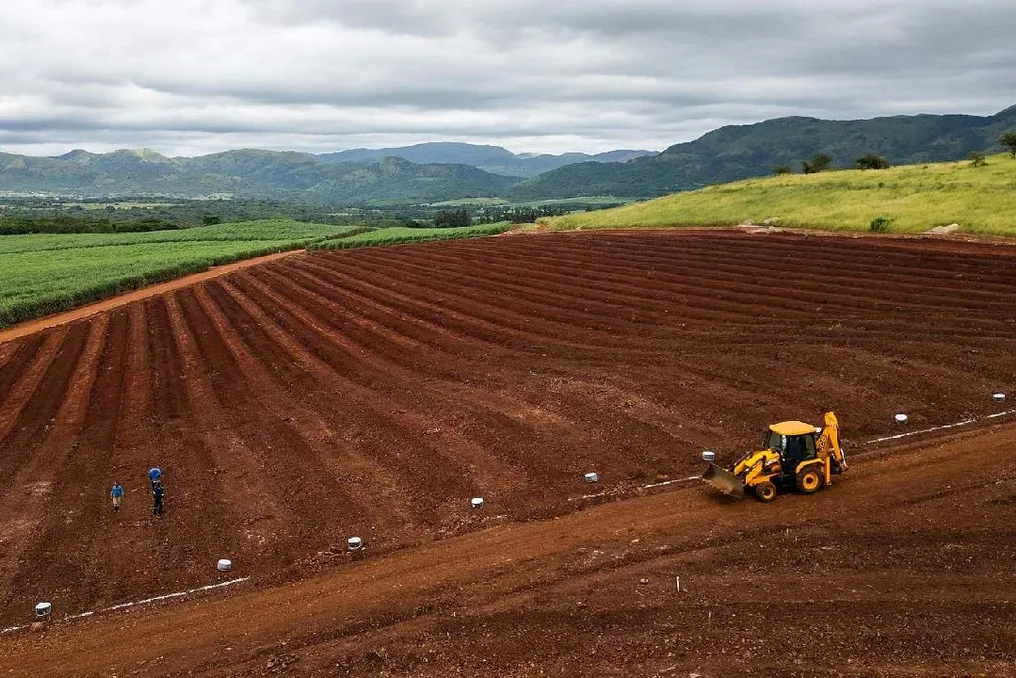
Officials from the United Nations and the African Union have called on African countries to intensify the use of science and technology in the agricultural sector. The goal of these measures is to increase productivity, strengthen food reserves, and enhance the resilience of agri-food systems.

This call was made during the opening of the Africa Science and Innovation Forum in Addis Ababa, Ethiopia. The event gathered stakeholders to discuss how innovation can contribute to the transformation of the continent's agri-food systems.

Abebe Hailu Gabriel, Deputy Director-General of the Food and Agriculture Organization of the UN and its Regional Representative for Africa, noted that technologies such as artificial intelligence can help farmers improve yields by converting complex agricultural information into timely and practical solutions.

He warned that the growing innovation gap leads to increased production costs and reduced product quality, jeopardizing food security, processing, and farmers' ability to meet market demands. Furthermore, it weakens the sector's potential to withstand climate shocks.

Hailu Gabriel strongly recommended that African governments reinforce their commitments to transforming agri-food systems with consistent funding, clear division of responsibilities, and measurable goals, warning that declarations will be ineffective without concrete actions and accountability.

Moses Vilakati, the African Union Commissioner for Agriculture, Rural Development, Blue Economy and Sustainable Environment, stated that the priority is ensuring that proven innovations can be implemented on a wide scale with the support of sustainable financing.

Vilakati emphasized: 'The problem before us is no longer about commitments, but about implementation,' urging the transformation of ambitions into actions, and plans into tangible improvements in people's lives through the use of science, technology, and innovation to strengthen food supply.

The three-day forum is expected to examine how science, technology, and innovation can create more productive, sustainable, inclusive, and viable agri-food systems, and to develop a regional roadmap for implementing existing commitments.

Similar stories

UN and African officials call for investment in Africa's data systems
Read more
cgtn.com

UN and African officials call for investment in Africa's data systems

Representatives of the United Nations (UN) and African officials called on Wednesday for a significant increase in investments in Africa's statistical and information systems. The goal of these measures is to assist continental governments in making informed decisions, forecasting emerging needs, and stimulating development.

This appeal was made during a joint meeting of the UN Statistical Commission for Africa and the Regional Committee of the UN Global Geospatial Information Management for Africa. The event took place in Addis Ababa, the capital of Ethiopia, under the slogan 'Unlocking the Value of Data in Africa: Transforming Official Statistics into a True Reflection of the Continent.'

Claver Gatete, Under-Secretary-General of the UN and Executive Secretary of the UN Economic Commission for Africa, emphasized the need for modernization and adequate funding of fundamental data and statistics systems by African governments. He noted that these systems must generate data reflecting the real state of Africa's development.

Gatete stated that Africa requires reliable, forward-looking data and statistics on productive capacity, investment opportunities, trade flows, and regional value chains to guide industrial policy and the implementation of the African Continental Free Trade Area. He warned that outdated and incomplete data could lead governments to invest in wrong priorities, ignore underserved communities, and fail to find opportunities for economic growth.

Ethiopian President Taeye Atske Selassie warned that producing high-quality data is a guarantee for Africa's development strategies and programs. He added that using low-quality data hinders evidence-based decision-making and impedes sustainable development. Atske Selassie urged governments across the continent to support the professional independence of official statistics, strengthen legal and institutional frameworks, invest in national statistical systems, and apply scientific data in the decision-making process.

Yusuf Murangwa, Minister of Finance and Economic Planning of Rwanda, pointed out that Africa's 'data problem,' which includes structural weakness not only in information accessibility but also in the ability to collect, analyze, and use reliable information, continues to hinder policy formation and informed investment decisions. Murangwa cautioned that without investment in statistics, significant value is lost, and decisions made without good evidence are very costly, urging African governments to allocate sufficient resources for statistical development across the continent.

Popular