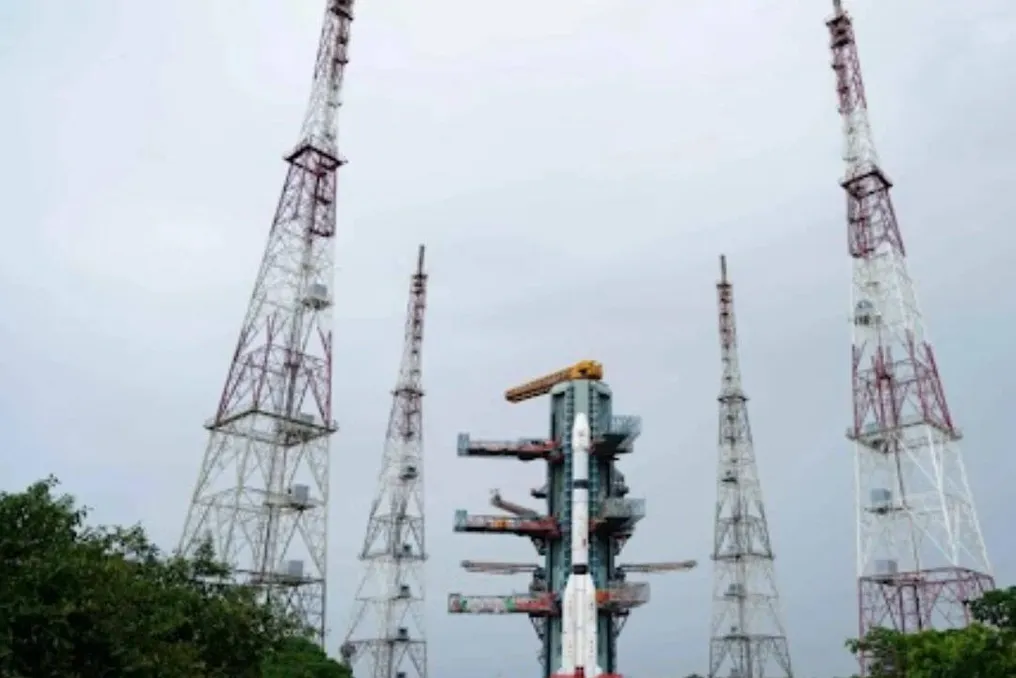
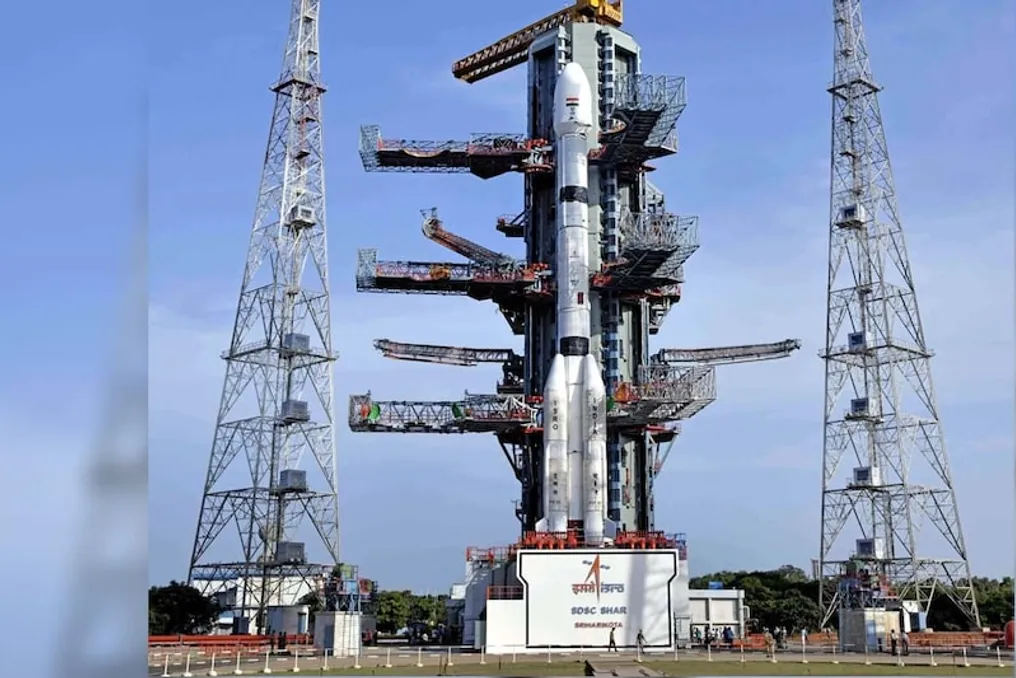
The Indian organization ISRO is preparing to launch the new NVS-03 satellite on October 30, 2026, at 23:51. The launch will be carried out from the Satish Dhawan Space Centre located in Sriharikota, Andhra Pradesh, using the GSLV-F18 launch vehicle. The goal of this mission is to strengthen India's national navigation system—NavIC.
Strengthening NavIC will help improve services such as location determination and navigation across the country. The NavIC system functions similarly to the American GPS, providing location and precise time information via satellites. It is used not only by private individuals but also by transport services, maritime shipping, and military structures.
The full name of NavIC is Navigation with Indian Constellation. This indigenous satellite navigation system of India allows for receiving data on location, routes, and time up to 1500 kilometers from the country's borders. Simply put, the system indicates where a person, vehicle, or vessel is located, simplifying route finding and obtaining accurate time information.
Despite its similarity to GPS, NavIC is a unique Indian system. It provides general services for citizens as well as secure services for the military and other authorized agencies.
The launch of NVS-03 occurs during a period when India aims to strengthen its NavIC system. Previously, in January 2025, ISRO launched the NVS-02 satellite. This satellite reached its initial orbit but could not be placed into the designated orbit due to a technical malfunction.
The issue with NVS-02 was related to the engine system (propulsion system), which is responsible for propelling the satellite and changing its orbit. Because of this failure, the satellite was not placed in the required location, which negatively affected the number of satellites operating for NavIC.
The government had previously reported that only three satellites were operational for providing location, route, and time data through NavIC. Therefore, the launch of NVS-03 is expected to help strengthen this system.
NVS-03 is part of the second-generation NavIC satellite series, which is planned to include a total of five spacecraft. In addition to NVS-03, the satellites NVS-04 and NVS-05 will help strengthen the system.
However, even after the satellite launch, NavIC services will not immediately improve. First and foremost, NVS-03 must be placed into its target orbit, after which checks and necessary tests will follow. Only after the satellite begins to operate correctly can it provide navigation services.
Overall, the launch of NVS-03 using the GSLV-F18 rocket represents an important step towards strengthening India's indigenous navigation system, which could potentially improve location and routing services in the country, and allow India to reinforce its satellite systems for critical tasks.