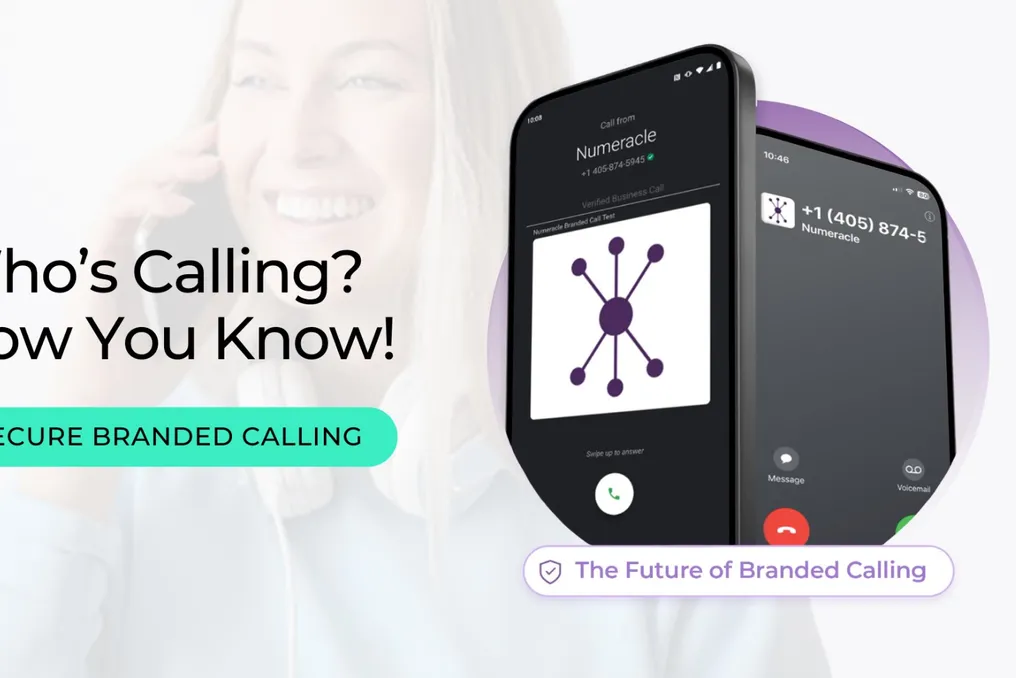
Users often encounter the 'Probably Spam' notification on an incoming call, which they ignore, even though sometimes banks or doctors are calling. Numeracle has raised $28 million to ensure that important calls always reach recipients.
Edison Partners led the Series B funding round. The company, based in McLean, Virginia, has now raised a total of $34.8 million since 2018. This round is significant because spam filters are becoming increasingly strict, and artificial intelligence makes fraud detection difficult, negatively impacting real businesses.
Many years ago, Rebecca Johnson predicted that important calls could be marked as spam. She is an engineer who previously worked in regulatory compliance at the telecommunications company West. In 2016, she participated in the FCC's robocall fight and warned carriers that aggressive call blocking would affect legitimate businesses, but her warnings were initially disregarded.
Later, a compliance consultant for one of the companies contacted her, asking, 'Everything you said is happening. What should we do?' This conversation sparked the creation of Numeracle. At the time, Johnson had just lost her job and was a recent single mother. She used her savings, working in a cafe and living on a farm in Alabama without internet access, noting, 'When you need to feed your children and provide them with a roof over their heads, you count every penny.'
Most tools wait for a spam flag before filing an appeal, whereas Numeracle operates at an earlier stage. First, the company verifies whether a business is legitimate and meets its stated promises. Then, it links this verified identity to the phone numbers used by that business. Finally, this data is passed to the systems used by carriers for call filtering. The result of this process is a reduction in false flags.
One contact center operator noted that the number of accepted calls increased from 19,000 to 22,000 per month out of a total of 40,000. The business model is also simple: companies pay an annual subscription for monitoring and correcting spam flags. For branded calls, there is a charge per call, displaying the name, logo, and reason for the call. Companies can also hire Numeracle to vet companies they are considering partnering with.
Currently, Numeracle serves about 4,000 brands operating in sectors such as financial services, retail, home services, higher education, government agencies, and charities. The company's growth is stable: revenue has increased by approximately 70%, and the 85-employee company achieved profitability this year, sooner than Johnson expected.
Edison partner Leonard Marcus was clearly impressed, describing Johnson as 'someone who, frankly, achieved more with fewer resources.' Trust in phone calls is rapidly declining. Numeracle's own research showed that 69% of US consumers missed, ignored, or rejected a call due to distrust of the caller ID. This harms all parties: a reminder from a hospital goes unanswered, and a fraud alert from a bank is ignored, which benefits scammers.
Artificial intelligence exacerbates the situation. Johnson argues that the most frightening threat is not fake voices, but 'AI-generated businesses.' Numeracle has discovered fictitious firms that have state registration, tax IDs, and employees listed on LinkedIn. This is why the new funds are so crucial: Numeracle plans to hire staff, expand into Europe, and focus on healthcare. Furthermore, the company intends to implement verification in messengers, chat applications, marketplaces, and AI agents. If Numeracle succeeds in this endeavor, the next missed call might be the one you need.