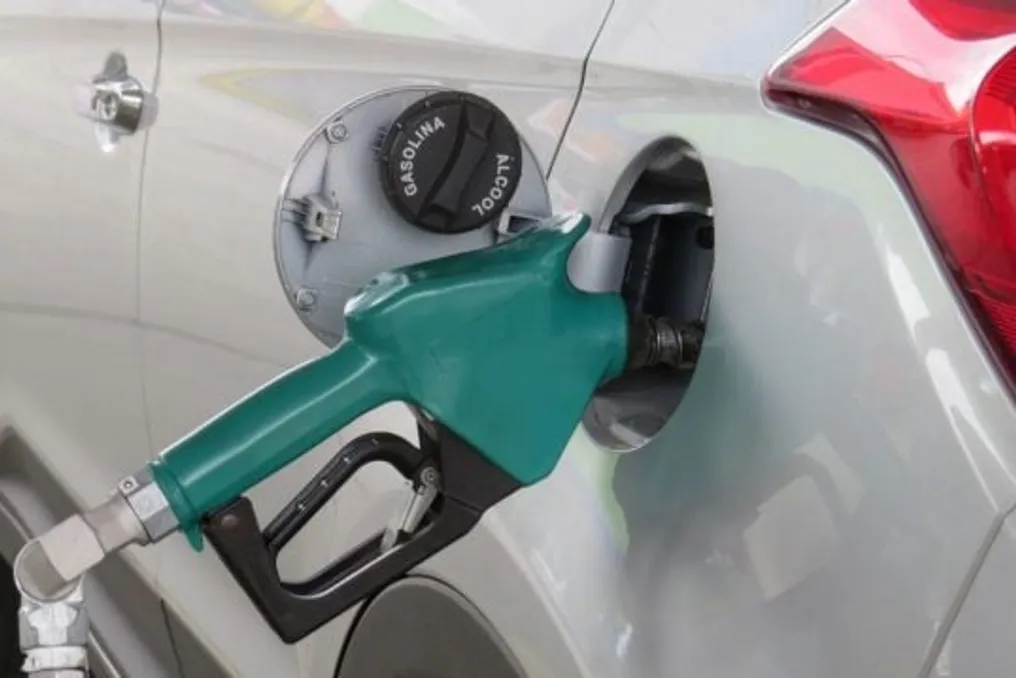
Vehicles will be able to run on E100 fuel, but the potential increase in the cost of using ethanol arises due to recent government decisions. Although the transition to ethanol promises reduced oil imports, cost savings, and the creation of a new market for farmers, there are serious complexities.
The main problem lies in the raw material base for ethanol production—sugarcane, corn, and water. A dilemma emerges: how to reconcile the pursuit of energy independence with ensuring sufficient land and food supply for the population?
The Ministry of Transport and Road Affairs issued a notification on October 23, 2026, amending the Central Rules for Motor Vehicles of 1989. In accordance with this decision, E85 and E100 fuels have been included in the current regulations. This is an important step for car manufacturers, as it legalizes the path to creating and bringing to market vehicles that run on pure ethanol or with a high degree of blending, rather than just gasoline.
The official position of the government is the necessity to reduce dependence on imported petroleum products and increase the use of domestic fuel, which is also intended to support farmers through new demand. Nevertheless, it remains an open question whether the fuel switch will truly lead to the desired results, whether it will reduce pollution, and how justified it is to use agricultural crops for transport needs in a country where agriculture is the backbone of the economy.
To understand the essence of the issue, it is necessary to examine the chemical composition of different types of fuel. E20 is a mixture containing 20 percent ethanol and 80 percent gasoline. E85 consists of 85 percent ethanol and 15 percent gasoline, while E100 denotes fuel composed almost entirely of ethanol. Thus, the government is opening up the possibility of using fuel with minimal or zero gasoline content.
It is important to note that including E85 and E100 in the regulations does not mean that any automotive fuel can use these blends. These fuels are exclusively intended for certified 'flex-fuel' vehicles. Operating regular gasoline cars or engines compliant only with the E20 standard on E85 or E100 is unsafe. The purpose of the government amendments is to clarify the legal framework specifically for this technology.
This nuance is critical given that millions of people in India use gasoline cars. This decision is not an immediate order to change fuel, but rather a step towards developing new transport and fuel options in the future.
India covers a significant portion of its crude oil needs through imports. Rising global oil prices negatively affect the country's import bill, the rupee exchange rate, and ultimately, the citizens' budget. Therefore, the government believes that increasing the use of domestic fuel has both economic and strategic significance. Ethanol is part of this strategy because it can be produced from sugarcane, molasses, and certain grains such as corn.
The government's argument is that local ethanol production reduces the need for imported fuel blended with gasoline. The Ministry of Petroleum previously, in July 2026, defended the ethanol blending program, presenting it as a policy balancing energy security, farmer income, and food security. However, despite good intentions, the real test is how much benefit is derived from the resources spent on ethanol production.
The main problem with using ethanol in transport is its low 'energy density.' Ethanol contains approximately 33% less energy compared to pure gasoline. This means that to cover the same distance, the engine will need to burn more ethanol. When using E85 fuel, fuel consumption may decrease by 25% to 30%. It is scientifically proven that the energy contained in one gallon (3.7 liters standard) of gasoline in E85 is only 73% to 83%.