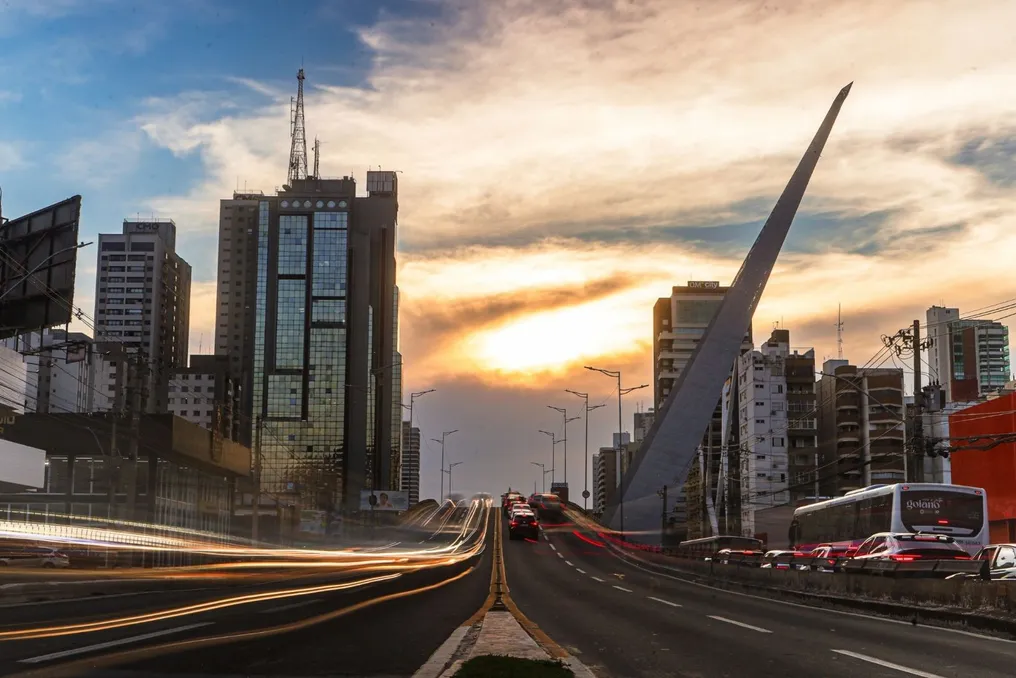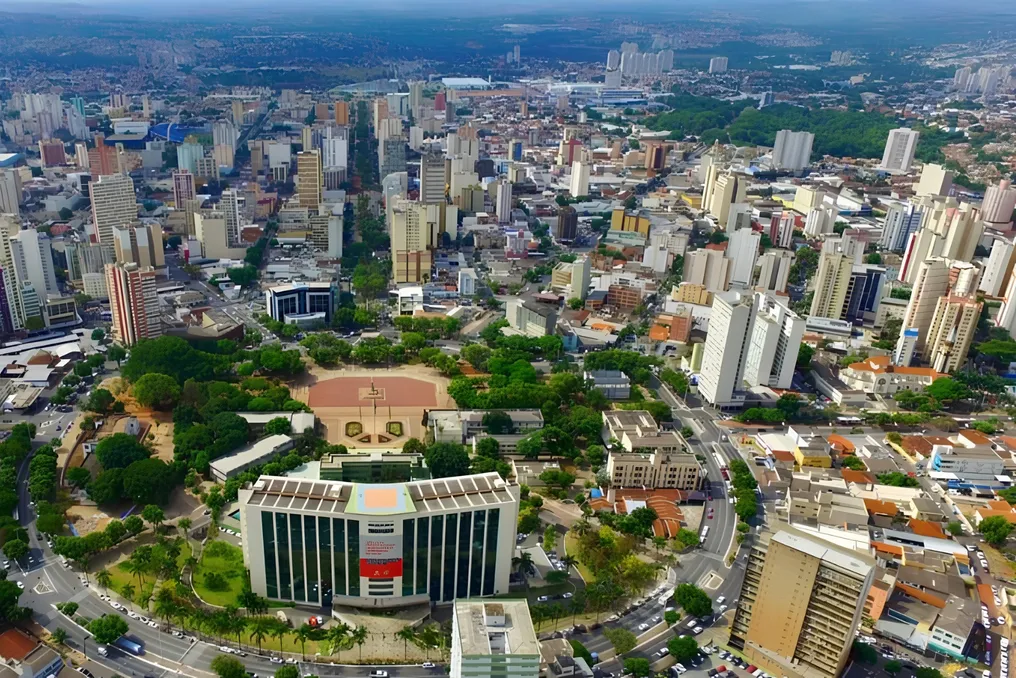
Goiânia was selected as the only Brazilian city featured in the worldwide ranking of rising destinations for 2027, according to an annual study conducted by the booking website Booking.com. This list aggregates locations from five continents that have shown increased traveler interest, covering both lesser-known capitals and cities that typically do not appear on conventional tourist itineraries.
To compile this ranking, the platform analyzed the thousand destinations that registered the highest volume of bookings between January and June 2026, comparing this data with the same period in 2025. Minor adjustments were made to the classification to ensure geographical representation.
The survey reflects changes in tourist behavior. In a poll conducted with over 28,000 participants from 33 countries and territories, 79% indicated interest in taking atypical trips, and 82% stated that emotional state can influence the decision about the next destination.
Goiânia stands out due to its Art Deco architecture, a result of the capital's planning in the 1930s, and its cuisine, which uses typical Cerrado ingredients, such as pequi. Furthermore, the platform highlights the Municipal Market and the Marista and Bueno neighborhoods, recognized for the large number of nightlife options, cafes, bars, and restaurants.
Municipal Market of Goiânia
The Municipal Market of Goiânia is a reference point for experiencing regional gastronomy. In the various stalls and establishments, it is possible to find products and ingredients characteristic of the state, as well as traditional dishes such as empadão goiano and pamonha. Pequi, the emblematic fruit of the Cerrado, is also part of the local cuisine.
The Civic Square area concentrates historical buildings related to the founding of Goiânia. As it was planned in the 1930s, the capital maintains structures that help in understanding its original urban project and highlight the presence of Art Deco architecture. A walk through the center allows one to observe part of this architectural ensemble and learn about the places that shaped the formation of the capital of Goiás.
The Museum of Contemporary Art of Goiás (MAC Goiás) is located in the Oscar Niemeyer Cultural Center, a complex that also draws attention for the architecture designed by the architect himself. Inaugurated in 1988, the museum is dedicated to preserving, researching, and exhibiting over 1,200 works by artists from Goiás, Brazil, and internationally. Exhibitions take place in the DJ Oliveira and Cleber Gouvêa galleries, presenting shows focused on different figures and curatorial cuts.
Museums, galleries, and cultural centers offer continuous visual arts programming, encompassing artists from different generations and regions of the country. For example, in October, Goiânia's agenda included names such as Di Cavalcanti and Vik Muniz. It is advisable to check dates and visiting hours before planning the itinerary, as the programming varies throughout the year. Among the venues hosting exhibitions are the Cerrado Gallery, the Cora Coralina Cultural Village, the Leo Romano Gallery, the ELO Gallery, and the Museum of Art of Goiânia.
Goiânia also has several green areas distributed throughout its neighborhoods. In Jardim Goiás, Flamboyant Park offers lakes, gardens, and tree-lined paths. In Setor Bueno, Vaca Brava Park features a lake surrounded by vegetation and close to cafes and restaurants.
West Sector
In the West Sector, Bosque dos Buritis combines trails, lakes, and trees, in addition to housing the Museum of Art of Goiânia. Another option is Lago das Rosas, considered one of the capital's most traditional parks, featuring green areas and a lake ideal for walks.
Regarding local gastronomy, the restaurants of Grupo Íz are highlighted for blending Brazilian cuisine with international references, paying special attention to the flavors and ingredients of the Cerrado. Íz Restaurant, founded in 2015, was relocated in 2025 to a modernist mansion, where the exclusive Íz Hotel Conceito also operates, consisting of only three suites. Chef Ian Baiocchi's project follows the 'restaurant with rooms' concept, integrating gastronomy and accommodation in the same place. The structure also includes a spa, gym, pool, and sauna.
In addition to Grupo Íz, there are 1929 Trattoria Moderna, which combines Italian and Brazilian influences; Grá Bistro, focused on French cuisine; Famu, led by chef Lucas Duarte, which explores Asian and American references; Fulles Kitchen, specializing in international cuisine; and nip, an abbreviation for Not In Naples, which offers a relaxed interpretation of Neapolitan cuisine. Alata Sorvetes complements the offering with ice creams and sorbets made from Cerrado fruits.