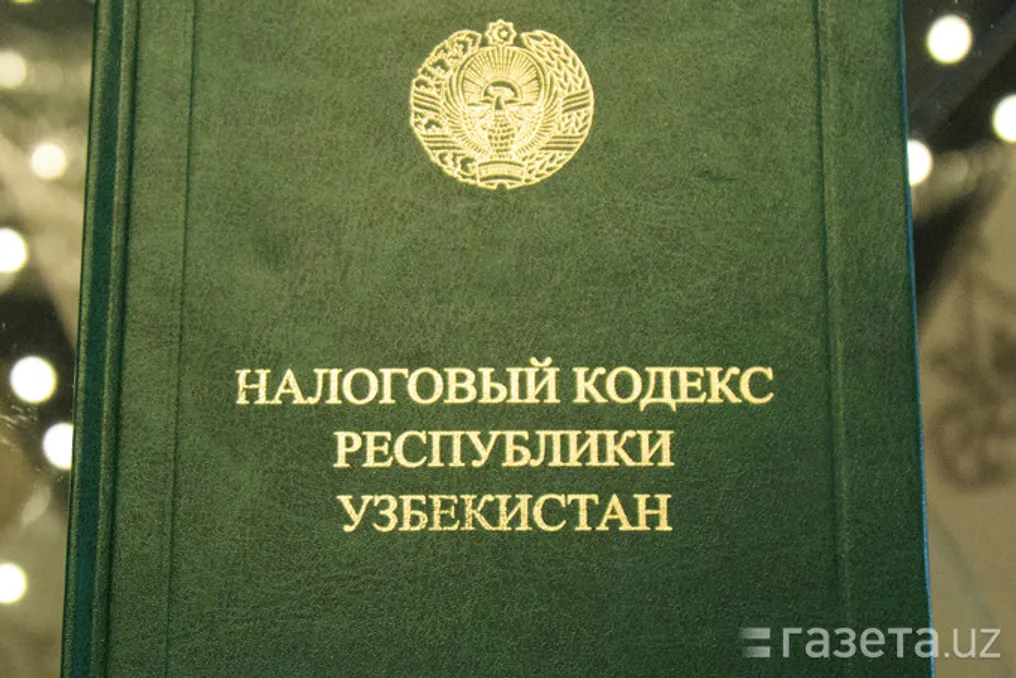
Uzbekistan is considering limiting the size of the tax penalty to the amount of the principal tax debt itself. This change is included in a bill aimed at supporting entrepreneurs, which the Legislative Chamber of the Oliy Majlis approved in its first reading on October 27.
The Deputy Minister of Economy and Finance, Akhadbek Khaydarov, presented the bill, noting that adjustments are being made to the tax administration system. According to him, a rule is being introduced stating that the penalty calculated for late tax payment must not exceed the amount of the unpaid tax itself. Discussion of this rule took place at the presidential level in early May.
What other changes does the bill propose?
The bill also provides that tax authorities will automatically cancel the suspension of operations on a taxpayer's bank accounts if the latter provides the necessary clarifications or corrected tax reporting after a desk audit. This measure, according to the Legislative Chamber, is intended to reduce administrative barriers for the business sector.
Furthermore, it is proposed to abolish the commission charged when making tax payments through various payment systems and organizations. It is also planned to expand the possibilities of using electronic services through the taxpayer's personal account by integrating them with the information systems of other state structures.
In particular, the document proposes clarifying the procedure for registering real estate lease agreements with tax authorities at the location of the object, as well as increasing the scope of accelerated VAT refund for large payers, defined in a specific manner. After approval by deputies in the first stage, the bill should pass further stages of the legislative process.
How is the penalty currently calculated?
According to Article 110 of the Tax Code, the penalty accrues daily for each day of delay in tax payment, starting from the day following the established payment deadline. The amount of this penalty is one-third of the current refinancing rate of the Central Bank applied to the amount of the unpaid tax for each day of delay.
For example, assuming a rate of 14% and a tax debt of 10 million soms, the daily penalty would be approximately 4667 soms. These accrued penalties are credited as tax debt and can be forcibly collected. However, the current version of the code does not contain a general provision limiting the total penalty amount to the principal debt.
It is worth noting that such a limitation was present in the Tax Code of 2007, where Article 120 stipulated that the penalty amount could not exceed the debt for relevant taxes and other mandatory payments. In the current version of the code, adopted in 2019, this norm was removed. We also recall that by a presidential decree dated August 27, 2026, the 'Second Chance' economic amnesty was introduced for small and medium-sized businesses, allowing for the write-off of accrued penalties upon full payment of the debt by December 31, 2026, provided all conditions are met.