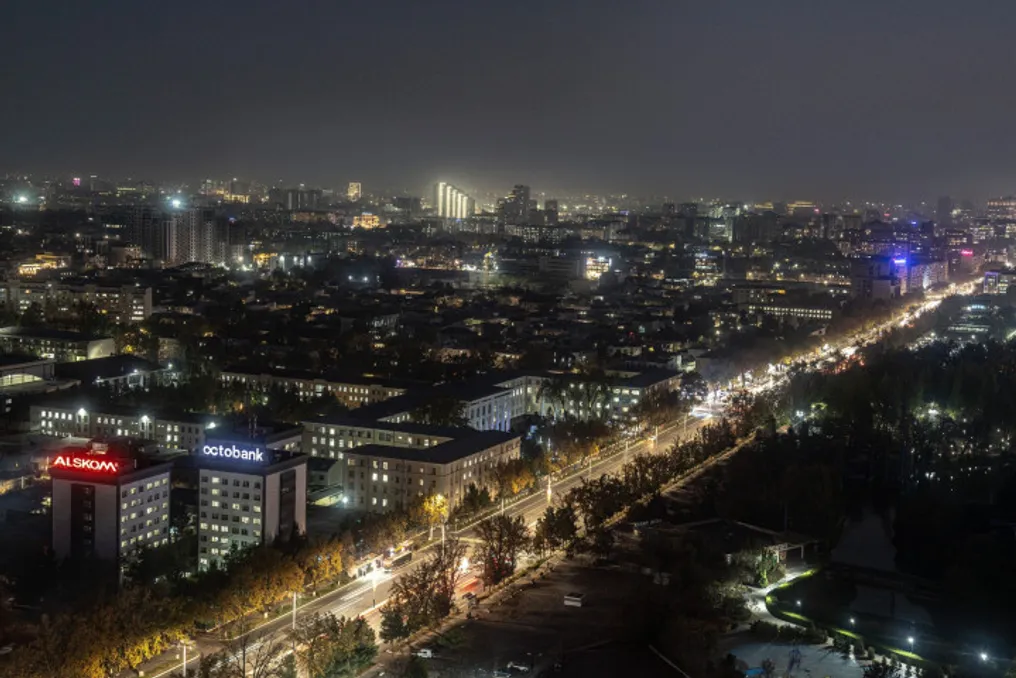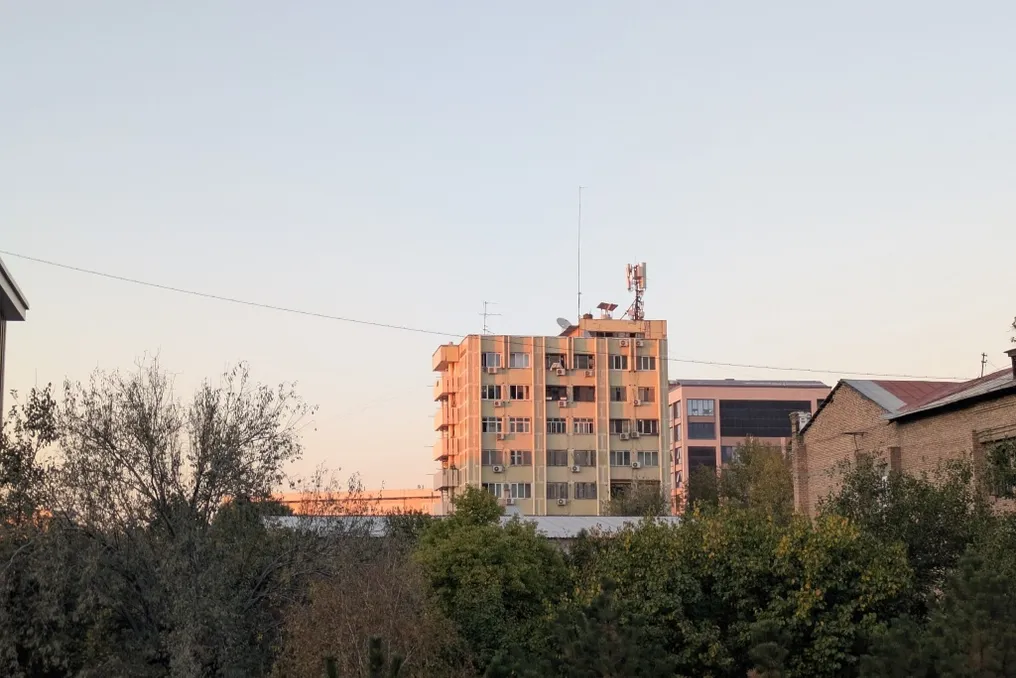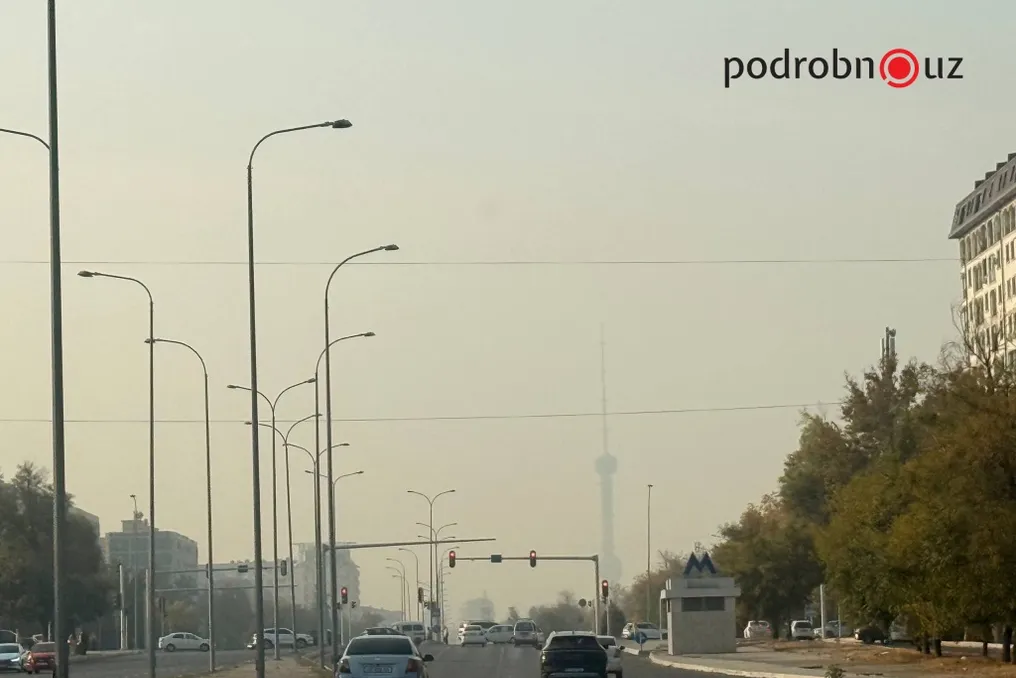
On the night of October 27 to 28, Tashkent faced air pollution. Due to the lack of wind and falling temperatures, harmful substances could not disperse and accumulated near the ground surface. Specialists recorded dangerously high concentrations of fine PM2.5 particles in five districts of the city.
According to environmental monitoring data, the air quality in the capital was at a 'unfavorable' level according to the international AQI index during the night. At some stations, indicators reached the 'very unfavorable' category. According to the national index, the average pollution level of PM2.5 particles was assessed as 'yellow', and for PM10 as 'orange'.
Measurements were conducted in Yunusabad, Almazar, Yangiha'it, Sergeli, and Yashnabad districts, where the 'very unfavorable' category was observed at all points. Specialist forecasts indicate that on the afternoon of October 28, the air quality in the capital will remain 'unfavorable' according to the international AQI index. On the national scale, a 'yellow' level is expected primarily, although it may periodically rise to 'orange', and the situation may also remain dangerous in the evening.
Environmentalists advise the population: children, the elderly, pregnant and breastfeeding women, as well as those suffering from heart and respiratory diseases, are advised to avoid being outdoors in the evening and at night. If going outside is necessary, a protective mask should be used, and time spent outdoors should be minimized. It is recommended to keep windows closed in residential premises to prevent the infiltration of polluted air.
A specialized atmospheric laboratory operates in Tashkent, which studies the composition of the air and determines the main sources of pollution. This work is necessary to understand the factors contributing to the accumulation of harmful impurities and to develop measures to combat them.