Recommendations for Preparing Sargi on Karva Chauth to Maintain Energy During Fasting
Read more
Aaj Tak
www.aajtak.in

Recommendations for Preparing Sargi on Karva Chauth to Maintain Energy During Fasting

Karva Chauth is a special festival for every married woman. On this day, women observe a fast without water or food from sunrise until the moon is sighted, for the longevity of their husbands and the preservation of marital harmony. Going an entire day without food and water is not easy, so consuming Sargi, which marks the beginning of the fast, is considered extremely important.

Sargi is traditionally presented by the mother-in-law to her daughter-in-law. It includes fruits, sweets, nuts, and items related to marriage, thereby the mother-in-law wishes her daughter-in-law a long and happy married life.

Sargi also gives strength so that the woman can complete the fast without fatigue or weakness. If some additional elements are added to traditional foods, one can remain energetic throughout the day, as well as avoid dry throat and discomfort from hunger or thirst.

To prevent fluid deficiency in the body at the beginning of the fast, it is necessary to drink plenty of water during Sargi. In addition to regular water, be sure to include a glass of coconut water or freshly squeezed seasonal fruit juice in Sargi. This provides the body with electrolytes and prevents dry throat throughout the day.

It is also recommended to consume yogurt and tamarind drink (chaach). Consuming yogurt helps the body maintain water balance for longer, allowing one to feel hydrated all day. This product is rich in protein and calcium, providing the body with necessary nutrients and strength during the fast.

Nuts, which are traditionally included in Sargi, are a treasure trove of nutrients. Thanks to their content of healthy fats and protein, they ensure prolonged satiety and prevent the body from feeling sleepy.

One should eat fruits rich in fiber and vitamins, such as apples, papaya, bananas, or pomegranates. Fruits digest slowly and constantly supply energy to the body. Furthermore, they contain a lot of water, which helps prevent feelings of thirst.

There is a tradition of consuming fani or semolina with milk during Sargi. Consuming milk and fani promotes a long feeling of fullness and eliminates complaints of heartburn or weakness.

If you prefer more substantial food, you can eat a small piece of paneer cheese or a light multi-grain paratha. This is a good source of carbohydrates and protein that maintains energy levels for a long time.

For the morning Sargi, you can also have sweet or savory dal. Additionally, legume chili (besan or moong dal) is an excellent option. You can add grated carrots, tofu, and paneer to it. This turns the dish into a high-protein meal that keeps the stomach full for a long time.
Similar stories

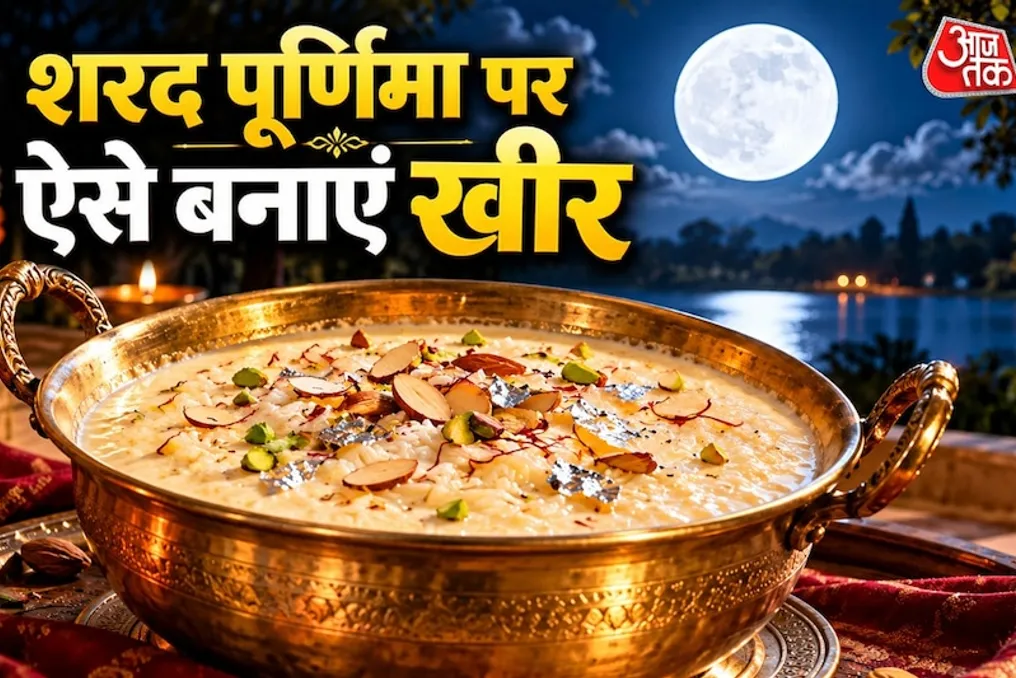
How to make creamy kheer for Sharad Purnima: secrets to preventing a runny consistency
Read more
www.aajtak.in

How to make creamy kheer for Sharad Purnima: secrets to preventing a runny consistency

The night of Sharad Purnima, cold and illuminated by moonlight, brings not only the beauty of the sky but also a unique combination of health and tradition. This night, which is the full moon of the Ashwin month, is considered the brightest and most radiant of the year, which has deep scientific and religious foundations.

According to beliefs, on this night, the Moon, being full in all sixteen phases, pours out nectar, and to capture this elixir, kheer, made from milk and rice, is left outdoors under the moonlight overnight. It is believed that consuming this kheer grants the body healing properties and ensures excellent health for the entire year.

However, sometimes the kheer turns out too runny, or the rice remains uncooked. If you want to prepare a pure, creamy, and traditional kheer for your family on this special night, you should know the correct way to prepare it.

Ingredients

The following components are required for preparation: rice (¼ cup, fine basmati), milk (1 liter, whole), sugar (½ cup, to taste), dried fruits (2-3 tablespoons, chopped almonds, cashews, pistachios, and chiranga), ground cardamom (½ teaspoon), and saffron strands (8-10, soaked in milk).

Preparation Method

30-40 minutes before starting the cooking process, the basmati rice must be thoroughly washed and soaked in water. Soaked rice dissolves better and faster in milk, which contributes to achieving a thick kheer texture.

It is important to always use only whole milk; using skimmed or low-fat milk will result in a runny kheer that will not achieve a creamy consistency.

Cooking must take place exclusively over low or medium-low heat. The slower the milk simmers, the better its natural fatty component (mava) will form, and the tastier the kheer will be.

When the rice is completely cooked in the milk, gently mash a small amount of rice with a spoon or whisk. This will make the kheer even creamier and more uniform.

Sugar or brown sugar should only be added after the rice is completely cooked. If sugar is added at the beginning of the process, the rice will not soften properly, and the kheer's texture may deteriorate.

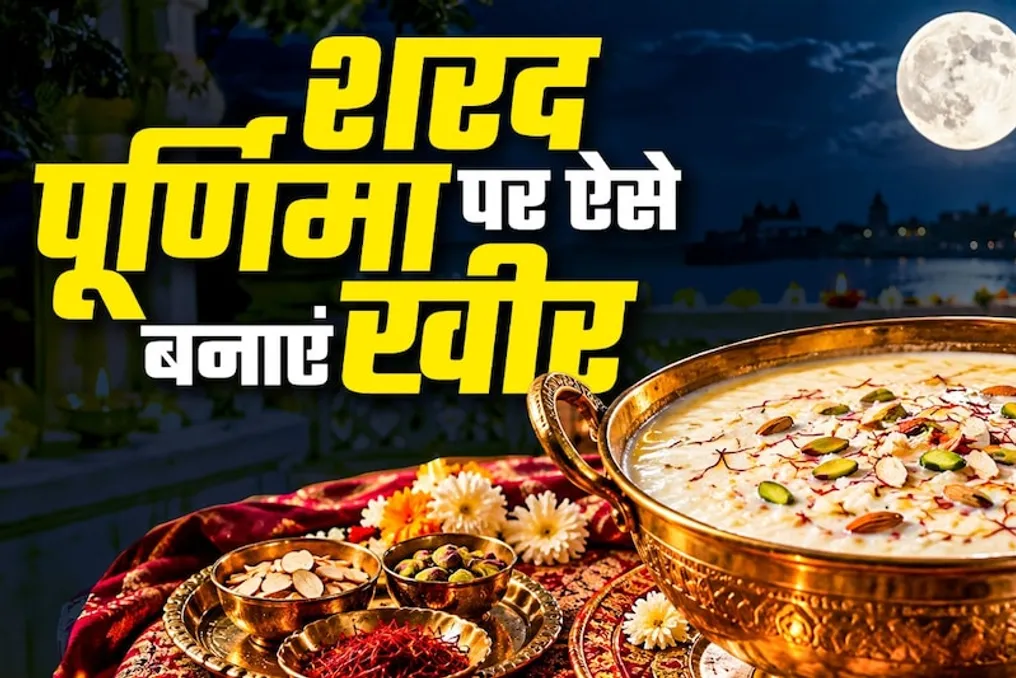
How to make creamy rice kheer for Sharad Purnima without dry milk
Read more
www.aajtak.in

How to make creamy rice kheer for Sharad Purnima without dry milk

Sharad Purnima holds special religious and health significance. This year it falls on October 25th. It is believed that the moon showers nectar on this night, so traditionally kheer is left outdoors overnight to be eaten as prasad in the morning.

However, complaints often arise that when making kheer at home, the milk and rice remain separated, or the dish does not turn out as creamy as rabri. If you want to prepare a thick, creamy, and aromatic kheer for Sharad Purnima without using mawa (dry milk) or condensed milk, you should apply several culinary secrets passed down by grandparents. We present the simplest and most reliable way to prepare kheer, similar to an elixir.

How to make kheer at home:

Ingredients:

  • 1 liter of whole milk
  • 1/4 cup of small grain rice (such as Govindobhog or Basmati-torka)
  • 1/2 cup of sugar (to taste)
  • 8-10 strands of saffron (soaked in 2 teaspoons of warm milk)
  • 1/2 teaspoon of green cardamom powder
  • 1 large tablespoon of ghee
  • Finely chopped nuts (almonds, cashews, pistachios, and chiranga)

Preparation method:

The rice must be washed and soaked in water for 20 minutes. Then, the water is drained, and the rice is lightly mashed with hands. In a pot, heat 1 teaspoon of ghee and fry the rice for 1 minute. (Frying in oil gives the kheer a special aroma, and the rice does not stick to the bottom of the pot).

In a heavy pot or kazan, splash a little water (so the milk does not burn) and pour in the whole milk, bringing it to a boil over high heat. After boiling, add the fried rice to the pot. Reduce the heat to minimum and cook the kheer, stirring occasionally, until the rice is completely cooked and the volume of the milk has reduced by half.

When the rice is well cooked, scrape up the cream formed around the edges of the pot and mix it into the milk. Also, take a little rice and milk in a spoon and lightly mash it near the edge of the pot; this will give the kheer a thickness similar to rabri.

After the kheer thickens, add the sugar, soaked saffron, cardamom powder, and chopped nuts. (It is important to remember that sugar should only be added after the rice is completely cooked, otherwise, the rice will remain raw).

After the sugar dissolves, cook for another 3-4 minutes over low heat, then turn off the gas. The finished, very creamy, and delicious kheer for Sharad Purnima is ready! It should be transferred to a bowl and covered with a clean vessel or silver container to leave overnight under the moonlight.

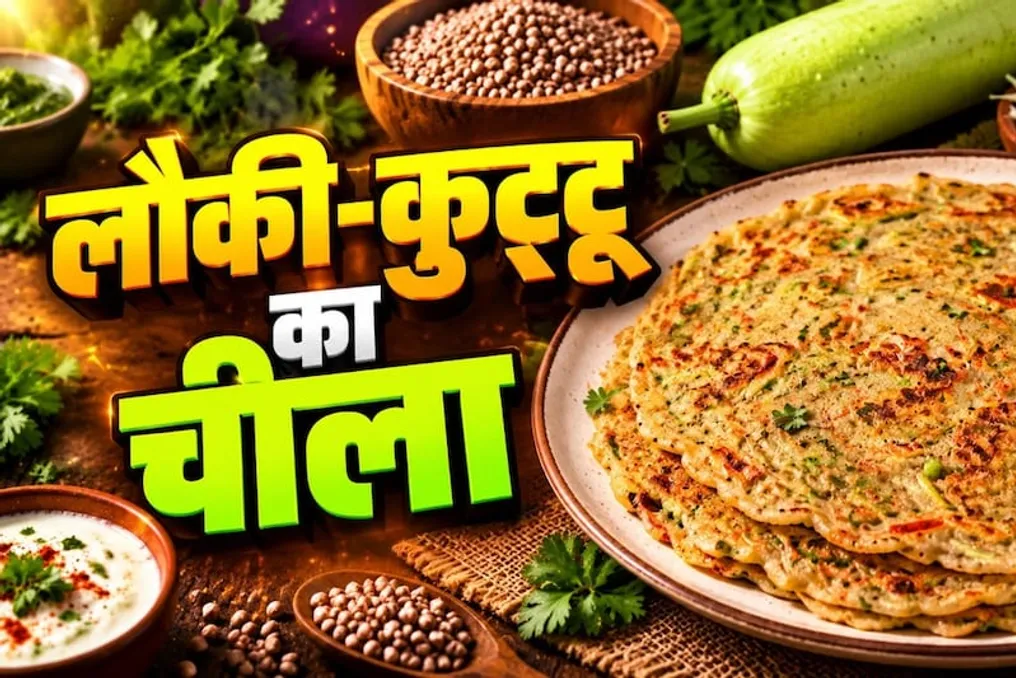
Recipe for Crispy Chela from Zucchini and Kuttu Flour for Navratri Celebration
Read more
www.aajtak.in

Recipe for Crispy Chela from Zucchini and Kuttu Flour for Navratri Celebration

If you are tired of traditional Navratri dishes such as Sabudana Khichdi and Vadas, you can try crispy Chela made from zucchini and Kuttu flour. This article presents a simple recipe that allows you to easily prepare delicious vegetarian snacks.

During the nine days of worship of Goddess Durga, many observe a fast, paying special attention to nutrition. Usually, during the fast, people eat Sabudana Khichdi, Vadas, or fruits, but constantly eating the same foods can cause boredom. Therefore, if you want to diversify your fasting diet with something new and appetizing, you can make Chela from zucchini and Kuttu flour.

This dish is easy to prepare at home and does not require a large number of ingredients. If you also wish to move away from ordinary fasting dishes this Navratri, try zucchini Chela with Kuttu. Next, we will explain how to prepare zucchini Chela with Kuttu and what components are needed for it.

To begin cooking, thoroughly clean the zucchini, wash it with clean water, and then grate it into a bowl. In another dish, take Kuttu flour and gradually add a little water, mixing thoroughly so that there are no lumps in the mixture.

After that, add the grated zucchini to this mixture and mix well. Add a little water as needed to achieve the desired consistency, which allows the mixture to be easily spread on the pan. Then stir in Sendha salt and black pepper to taste.

Heat the pan and grease it with a small amount of ghee. Pour the prepared mixture onto the pan and spread it evenly into a round shape. Cook the Chela over low or medium heat. When one side of the Chela is nicely browned, flip it and fry it on the other side.

When the Chela becomes golden and fully cooked on both sides, transfer it to a plate. Prepare the remaining Chela from the leftover mixture in the same way.

Popular