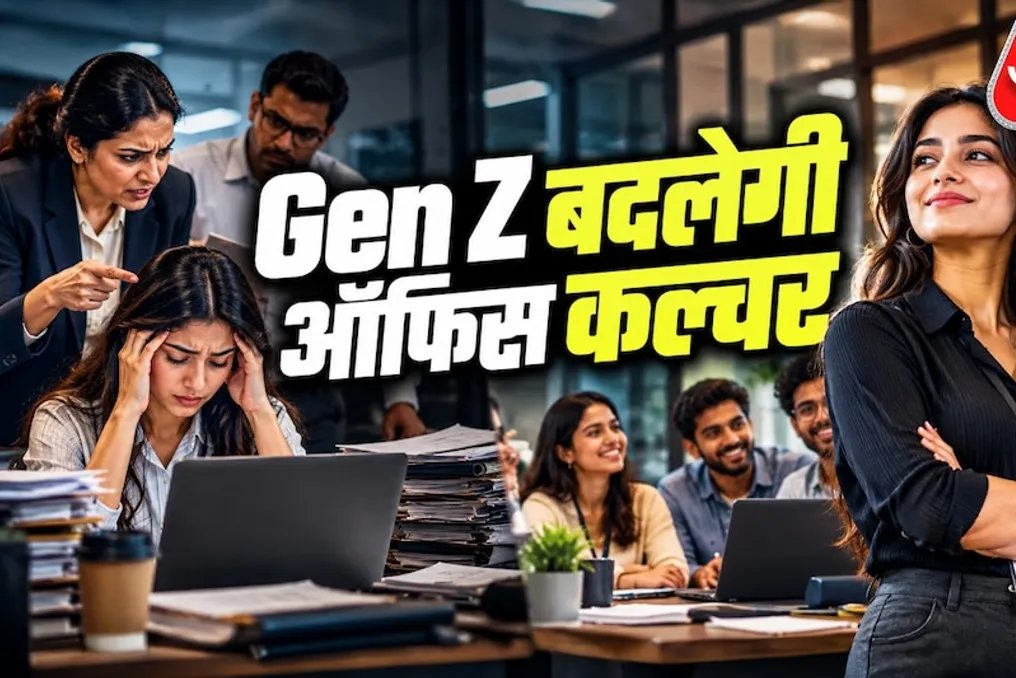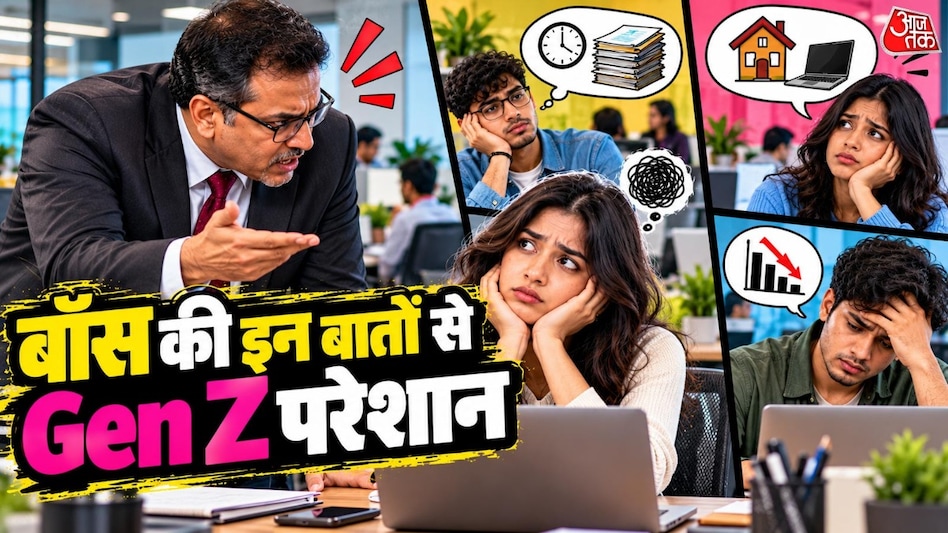
The modern Generation Z does not limit its expectations only to work and salary. For them, respect, work-life balance, and the freedom to express their opinions are important in the office. Under such conditions, some statements by managers can provoke a negative reaction from employees. Sometimes managers utter these phrases in a neutral tone, but employees may perceive them as mockery, pressure, or doubt in their competence.
Generation Z strives to work in an open-minded work environment. Although this is not always possible, the support of a good manager is extremely important. Nevertheless, some remarks from a manager during work can undermine morale. Which specific words from bosses or managers irritate Generation Z or new employees? Let's look at them below.
1. Our office is like a family
Although this phrase sounds pleasant at first glance, it can cause discomfort for some Generation Z employees. They fear that under the guise of family, they might be expected to work beyond established hours or forgo planned weekends. Generation Z employees certainly want to maintain good relationships with colleagues, but at the same time, they strive to maintain a clear boundary between professional and personal life.
2. Be grateful that you got the job
These words can make employees feel that their efforts and concerns are meaningless. Generation Z believes that simply getting a job is not enough. They also expect adequate pay, opportunities for learning, and chances for career growth. The necessity of work does not mean that employees should silently endure all difficulties.
3. I don't know how you will do it; I just need the finished result
Taking responsibility for completing a task and being forced to work without sufficient information are different things. When a manager does not clarify the goal of the work, the necessary information, or the deadlines, it becomes difficult for the employee to provide a quality result. The problem for Generation Z is not the responsibility itself, but performing tasks without clear instructions.
4. You are too young; you won't understand
Misjudging a person's opinion based on their age greatly irritates Generation Z employees. The new generation is better versed in technology, social media, and changing trends. This doesn't mean that every piece of their advice will be perfect, but dismissing their point of view without listening is not the right approach. Employees want their opinions to be judged by quality, not by age.
5. We have always worked this way
This response can undermine an employee's attempt to suggest a new way of working or offer advice. Generation Z is interested in simplifying and improving work using technology and new ideas. Insisting on old procedures without a compelling reason can worry them. They do not consider all old methods wrong, but it is important for them to understand why the working method cannot be changed.
Generation Z employees do not have problems because of any criticism or work pressure. The main difference lies in how the manager conveys their message. Clear instructions, recognition of effort, respectful communication, and allocating time for personal life can improve the office atmosphere. Ultimately, a good manager is not one who agrees with everything, but one who listens to the team and clearly states their expectations.