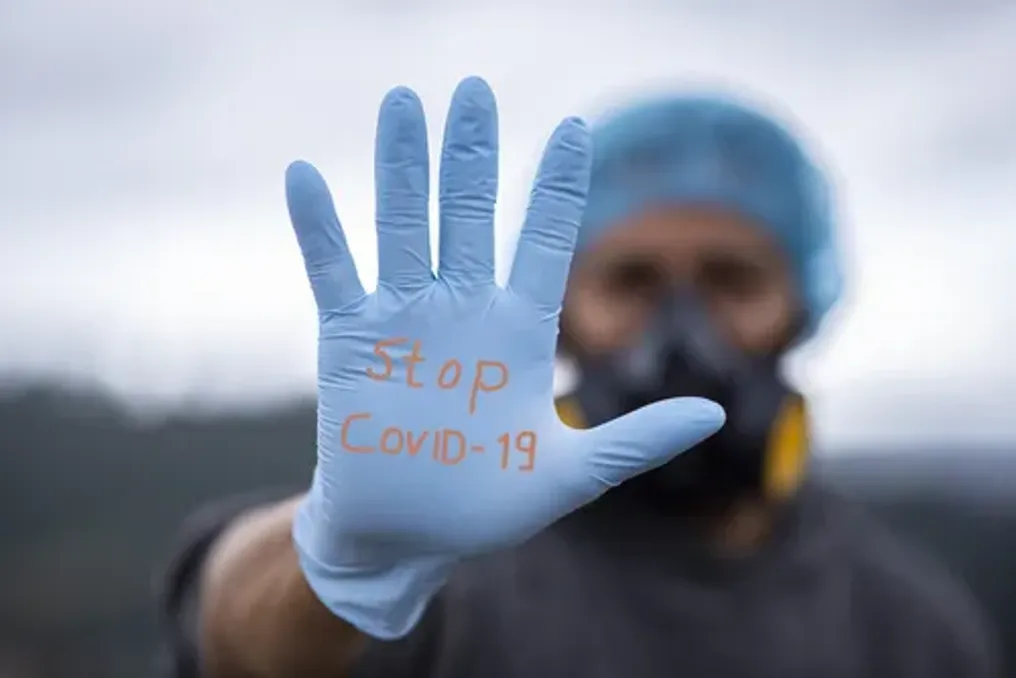
The Necessity of Justice in Global Health: Lessons from the COVID-19 Pandemic
Read more
IOL
iol.co.za

The Necessity of Justice in Global Health: Lessons from the COVID-19 Pandemic

The COVID-19 pandemic revealed a harsh truth about the global health order: when faced with a common threat, the wealthiest countries prioritized their own interests over human lives. Protective resources such as masks, ventilators, vaccines, diagnostic tools, and medicines were treated not as public goods available to all, but as commodities that could be bought, stockpiled, and controlled by those with the greatest financial means.

While governments in African, Latin American, Caribbean, Asian, and Eastern European countries struggled for access to vital technologies, wealthier states secured stockpiles far exceeding their immediate needs, leaving millions waiting. This outcome was not merely an unfair reaction, but a profound moral failure that turned survival into a privilege of wealth and geography, contributing to unnecessary suffering and loss of life in many Global South nations.

Six years later, the world has a chance to decide whether it learned from this experience. However, as negotiations continue around the World Health Organization's (WHO) pathogen and benefit-sharing system, there is a real risk that some of the same dynamics that defined the COVID-19 response could become entrenched in frameworks designed to prevent them.

Recently, the AIDS Healthcare Foundation joined other civil society organizations by filing a complaint with the UN Special Rapporteur on the right to health. The core issue is that the positions advocated by some high-income countries during PABS negotiations could undermine principles firmly established in international human rights law, including the right to health.

Human rights remain inviolable even during intergovernmental negotiations. Countries do not renounce their obligations by joining the World Health Organization. The right to health, recognized under international law, entails responsibilities that extend beyond national borders. It demands cooperation, solidarity, and the recognition that decisions made in one country can directly affect the health and lives of people in another.

These principles are not abstract legal concepts; they become matters of life and death during a public health emergency. Scientific progress is valuable only when its benefits reach people in time. Breakthrough vaccines offer little comfort to a patient who cannot access them. A vital medicine is insignificant if it is unaffordable. Advanced diagnostics cannot stop an outbreak if they only appear after the worst has happened.

The true measure of scientific innovation is not what is discovered in the laboratory, but whether these discoveries are accessible to the people who need them most. This reality poses a fundamental question at the heart of PABS negotiations: who benefits from science, and when?

During a pandemic, access to vaccines, diagnostics, and treatments must be determined by public health needs, not by purchasing power. Priority should be given to countries facing the highest risks, highest incidence rates, and most vulnerable populations, rather than those left behind due to an inability to compete with wealthier nations. This is precisely what occurred during COVID-19.

The fundamental principle underlying PABS should be simple: countries share pathogen samples and genetic sequence information so that researchers and manufacturers can rapidly develop tools to respond to emerging health threats. In return, the benefits derived from this research must be distributed fairly and predictably. Reciprocity is not a radical idea; it is the foundation upon which trust is built.

Nevertheless, many civil society organizations are deeply concerned that the discussed system ensures greater certainty regarding access to pathogen information than to the products developed from that information. In other words, countries may be expected to provide samples quickly and transparently, yet receive no substantial guarantees regarding access to the vaccines, medicines, diagnostics, technologies, or knowledge resulting from these contributions. This is neither sustainable nor fair.

It is difficult to justify a system where countries fulfill their obligations immediately but must rely on goodwill, political considerations, or charity to receive benefits from their contributions. If pathogen sharing is an obligation, then benefit sharing must also be an obligation. There must be certainty on both sides of the equation.

Timing is as crucial as access. One lesson from COVID-19 is that delays cost lives. Waiting until an outbreak escalates into a full-blown pandemic before stronger access mechanisms take effect negates the purpose of preparedness. The most critical period often occurs in the earliest phase of an outbreak, when rapid intervention can curb transmission, prevent escalation, and save lives. Access to medical technologies must be built into the response from the very beginning, not offered after the crisis has deepened.

South Africa's experience during COVID-19 vividly illustrates this problem. Scientists from South Africa and Botswana played a crucial role in identifying and reporting the Omicron variant to the world. Their transparency and scientific excellence allowed the global community to better understand the emerging threat. However, the immediate response was not solidarity. Instead, several countries imposed travel restrictions targeting South Africa, leading to significant economic consequences for the region.

At the same time, many African countries continued to struggle with access to vaccines that were already widely available elsewhere. Former President of Botswana, Mokgweetsi Masisi, expressed the frustration felt across many developing nations, questioning a system where countries are encouraged to share scientific information for the good of all, yet see the resulting technologies concentrated in the hands of a few.

His criticism points to a deeper concern extending beyond COVID-19. Why should countries continue to share information that enables scientific discovery if they are not sure that the benefits of that science will return to them when they need it most? This question is particularly relevant given the immense contribution of Global South countries to ensuring global health security. They contribute through surveillance systems, research institutions, healthcare workers, clinical trial participants, pathogen samples, and genetic data. Their input helps drive scientific advancements that protect the world. But contribution alone is not enough to guarantee access.

Benefit sharing cannot be reduced to the last-minute donations of surplus products after wealthier nations have met their needs. Donations can play a role, but they do not replace justice. By the time vaccines or medicines arrive months late, we may have already missed opportunities to prevent deaths and control outbreaks.

Furthermore, true benefit sharing includes not only the distribution of finished products. It requires expanding access to manufacturing capacity, technology transfer, voluntary licensing, scientific knowledge, and regional production capabilities. Countries should not remain permanently dependent on a handful of suppliers located thousands of kilometers away. Creating resilient and geographically diverse production systems is not only just but strategically necessary for global health security.

PABS ultimately requires accountability. There must be transparency regarding who gains access to pathogen information, how that information is used, and whether agreed-upon benefits are actually provided. There must be mechanisms supporting accessibility, expanding production during sharp increases in demand, and ensuring that commitments are enforceable, not merely desirable.

None of these points should be interpreted as an argument against rapid information sharing. On the contrary, rapid exchange of scientific information remains essential for managing future outbreaks. But a system that clearly defines the obligations of countries providing pathogen information while remaining vague about the obligations of those who use that information is neither balanced nor sustainable.

Infectious diseases recognize no borders, ideologies, or economic status. An outbreak left unchecked anywhere can quickly become a threat everywhere. Ensuring that vital technologies reach where they are needed most is not an act of charity, but an act of collective self-interest and sound public health policy. The world will be judged not only by how quickly it detects the next pandemic threat but also by how justly it responds to it.

If countries are expected to share information that makes scientific breakthroughs possible, then the benefits of those breakthroughs must also be distributed fairly, quickly, and predictably. The lessons of COVID-19 are too painful and too recent to ignore. The next pandemic should not be determined by who can pay first and who must wait. Human lives must never again be sold to the highest bidder. The international community now has the opportunity to build a system based on justice, reciprocity, and shared responsibility. It must not miss this chance.

Similar stories

How to prepare the SUS to ensure the continuity of oncological care during health and environmental crises
Read more
g1.globo.com

How to prepare the SUS to ensure the continuity of oncological care during health and environmental crises

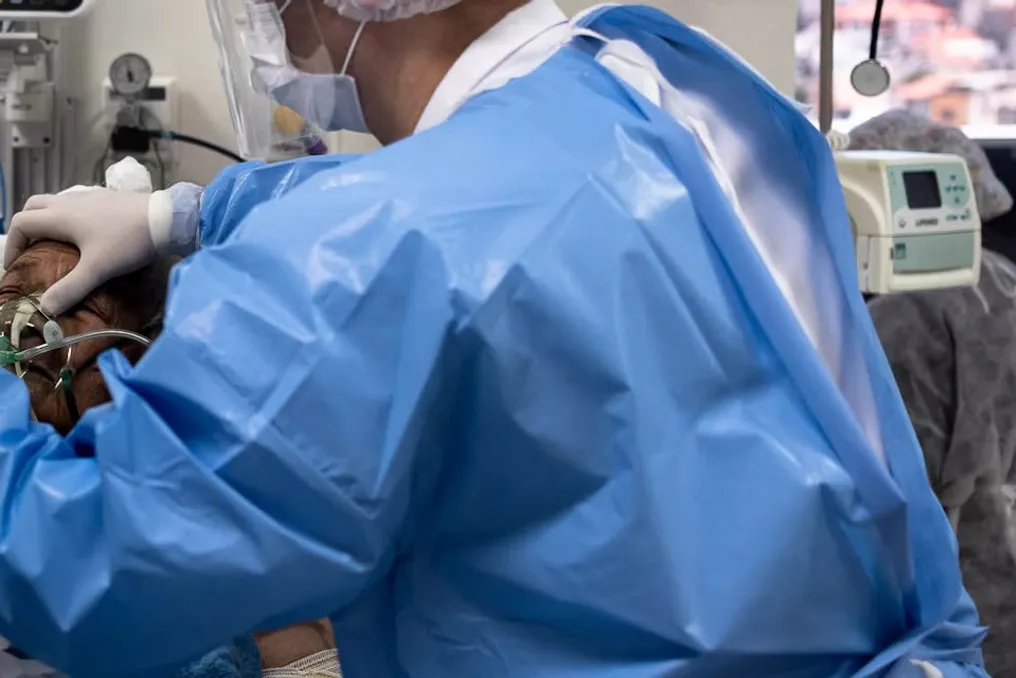
The interruption or postponement of medical appointments due to events such as pandemics or floods can have serious consequences for individuals with cancer, who depend on rapid diagnosis, constant treatment, and specialized monitoring. Maintaining oncological care during emergencies is not just a matter of service organization, but a vital priority to save lives and reduce social disparities.

In Brazil, this challenge is aggravated by the high incidence of the disease, with cancer being the second leading cause of mortality in the country. Projections from the International Agency for Research on Cancer (IARC) indicate a potential increase of 84% in annual cases between 2022 and 2050.

Cancer in extreme situations

This scenario requires more than just expanding prevention, diagnosis, and treatment capacity; it requires preparing the healthcare system itself to operate continuously in the face of increasingly frequent and interconnected crises. Notable examples, such as the Covid-19 pandemic and the floods in Rio Grande do Sul in 2024, demonstrated how distinct emergencies can harm healthcare assistance.

During times of crisis, procedures and appointments may be suspended, health units may lose functionality, and patients may face problems with mobility and access to medication and clinical follow-up. The impacts are more severe for those who already face social, territorial, and economic barriers.

The Brazilian experience shows that crisis preparedness must explicitly include cancer control. Although the Unified Health System (SUS) ensures universal and free access, obstacles related to financing, regional differences, and coordination between services persist.

Resilience, in this context, means the ability to anticipate risks, absorb shocks, adjust service organization, and learn from mitigation tactics used. This implies not only restoring hospitals after an emergency but preserving all phases of the oncological journey, from prevention and diagnosis to palliative care.

This vision was discussed in a national workshop held in Rio de Janeiro in December 2025. The event was organized by IARC, the Pan American Health Organization (PAHO), and the National Cancer Institute (INCA), bringing together experts in public policy, health professionals, researchers, and civil society representatives. The focus was on defining action priorities, based on the experiences of Covid-19 and the floods in Rio Grande do Sul. The discussions culminated in a scientific article published in the journal The Lancet Regional Health – Americas.

The article highlighted that strengthening resilience requires coordinated actions on four fronts: governance, service delivery, resources, and financing. The lack of reliable data, for example, prevents the location of patients with interrupted treatment. Without coordination among managers, referral to other services becomes more complex, and lack of funds can delay the response.

Five priorities to strengthen cancer control in Brazil and the SUS

The first priority is to integrate oncological care into emergency response and preparedness plans. Contingency plans must specify which services must remain active, how to restructure care flows, and how to ensure the continuity of vital treatments. It is crucial that there is an agreement between the Union, states, and municipalities so that these measures can be applied in various locations.

The second goal is to improve and unify health information systems, which are currently dispersed. Data that can be exchanged between systems helps identify patients with pending exams or appointments, monitoring interruptions and reallocating demand among units. It is equally necessary to ensure that managers and professionals have access to the necessary information to decide, while maintaining the security of personal data.

The third priority involves protecting infrastructure and the workforce. Hospitals, radiotherapy services, laboratories, transport networks, and supply systems must be included in contingency plans. It is also necessary to train professionals to act in exceptional circumstances, providing clear protocols, support teams, and communication channels that facilitate the reorganization of care.

The fourth priority is to plan the resumption of care with a focus on equality. Reactivating services based only on operational capacity, ignoring clinical and social needs, can accentuate existing inequalities. Patients with higher clinical risk, paralyzed treatments, and access difficulties must be identified and prioritized, with support from primary care.

Finally, it is imperative to establish flexible financing mechanisms for emergencies. The ability to mobilize funds quickly, rebuild damaged structures, and temporarily increase service offerings defines the speed of recovery. Clarity on financing and pre-defining responsibilities help prevent the response from depending solely on improvised solutions.

Preparing the system to protect lives

These guidelines do not imply creating a system parallel to the SUS. On the contrary, they point to the need to reinforce existing mechanisms, improve regional articulation, and incorporate resilience into routine health planning. The experience gained in primary care, care networks, and national cancer control policies provides a solid foundation for progress.

However, effective implementation depends on firm commitments: well-defined institutional responsibilities, sufficient resources, indicators of care continuity, and evaluation methods capable of converting the lessons of each crisis into lasting improvements. The participation of patients and civil society entities is fundamental to discovering barriers that administrative metrics may not reveal.

Considering the projected growth in cancer cases and the possibility of simultaneous crises occurring, the issue transcends the simple expansion of care under normal conditions; it is about preventing emergencies from interrupting access to oncological diagnosis and treatment. Strengthening the resilience of cancer control means understanding that care must be planned before the crisis, protected during it, and improved in the recovery phase.

Thus, it is believed that this situation represents an opportunity to reaffirm the SUS's commitment to universality and equity. A system ready to face adversity not only handles emergencies better but also enhances its capacity to provide dignified, coordinated, and timely care to the population.

Democratic Alliance demands parliamentary inquiry into shortage of up to 50 essential medicines in South Africa
Read more
iol.co.za

Democratic Alliance demands parliamentary inquiry into shortage of up to 50 essential medicines in South Africa

The Democratic Alliance (DA) has expressed serious concern over the shortage of up to fifty critical medications within South Africa's public healthcare system. The party warns that patients may face adverse reactions to substitute drugs or cease treatment altogether.

The DA insists that the parliamentary Health Committee investigate the causes and scale of these shortages, as well as examine the measures being taken to protect patients.

DA's health representative, Michelle Clark, stated that she has requested a special committee meeting and demanded the attendance of Minister of Health Aaron Motsoaledi, the Department of Health, the South African Health Products Regulatory Authority (SAHPRA), the company Pharmaceuticals Made In South Africa (Pharmisa), and the South African Pharmaceutical College before this committee.

The list of drugs highlighted by the DA includes amlodipine, used for controlling high blood pressure and preventing angina; rosuvastatin, used to lower cholesterol levels and reduce the risk of heart attacks and strokes; and metformin for managing type 2 diabetes.

The list also included olanzapine, intended for treating schizophrenia and bipolar disorder, especially manic episodes; pregabalin, used in the treatment of nerve pain, seizures, and anxiety disorders; and mebendazole, which combats intestinal helminths.

Clark warned that patients could be at risk if they have to switch to alternative medications. She emphasized: 'There is a significant risk that some patients may experience adverse reactions to substitute medicines, and the overall risk that deeply concerns the DA is that some patients might fear substitute drugs or become confused by them and subsequently stop treatment.'

Disruptions in medicine supply have also been reported in the provinces of Gauteng and the Western Cape. In Gauteng, the shortage in public hospitals and clinics is linked to supplier delays, procurement timelines, changes in drug contracts, and general pressure on supply chains. The provincial department of health reported that it is moving existing stocks between facilities, purchasing medicines from alternative approved suppliers, and providing clinically appropriate substitutes where necessary.

In the Western Cape, provincial health authorities have called for national intervention due to persistent medicine shortages. Stated problems include production and regulatory complexities, import and customs delays, as well as delays in drug testing and release.

The DA reported receiving information that some local pharmaceutical manufacturers are blaming new SAHPRA regulations and the Single Exit Price (SEP) for the decline in local production. Clark stated: 'The DA has reports that some local drug manufacturers blame new SAHPRA regulations and the Single Exit Price (SEP) for the decline in the local pharmaceutical industry, which affects medicine availability. Parliament must investigate this so we can end the medicine shortage.'

The SEP is a regulated price at which manufacturers and importers sell medicines in the private sector of South Africa; however, it does not apply to medicines supplied to the state.

The DA demands that the Health Committee receive a comprehensive briefing on the causes of the shortage, its impact on patients, the list of unavailable medicines, and the measures implemented to mitigate health risks. Clark concluded: 'The DA believes that South Africans who rely on the public health system for critical and chronic medications should be able to count on it without exception.'

Popular