India's ambitions for self-reliance in defense have received a significant boost through a five-year agreement between Sarvam and the Ministry of Defence. This Indian company, based in Bengaluru, will be responsible for developing, creating, and implementing artificial intelligence-based applications for the armed forces' needs, including decision support, training, and operational tasks, as well as providing subsequent technical assistance. The deal includes the use of common foundational models, agent infrastructure, and perception and geospatial data systems.
Concurrently, intense corporate battles continue within the Tata group. Noel Tata, Chairman of Tata Trusts, challenged the decision to reappoint N Chandrasekaran as Chairman of Tata Sons. This decision was made at the board meeting of the conglomerate Tata 17th September. According to sources, Noel considers this reappointment 'invalid' because it was made out of turn and was not on the agenda of the meeting.
Meanwhile, Microsoft, reorganizing its staff amid major investments in AI, is offering employees the option of voluntary separation. The American tech giant announced a voluntary exit program for eligible employees in India, the USA, the UK, and Canada. The package includes one month's salary for each full year of service, as well as medical insurance and career transition services. Globally, the program is available to approximately 60,000 employees, with about 23,000 Microsoft employees in India, though the exact number of potential participants in the country remains unclear.
Furthermore, Wall Street is closely monitoring the upcoming reports from major technology companies, which may serve as an indicator of AI growth amidst overall market turbulence.
Women in Tech
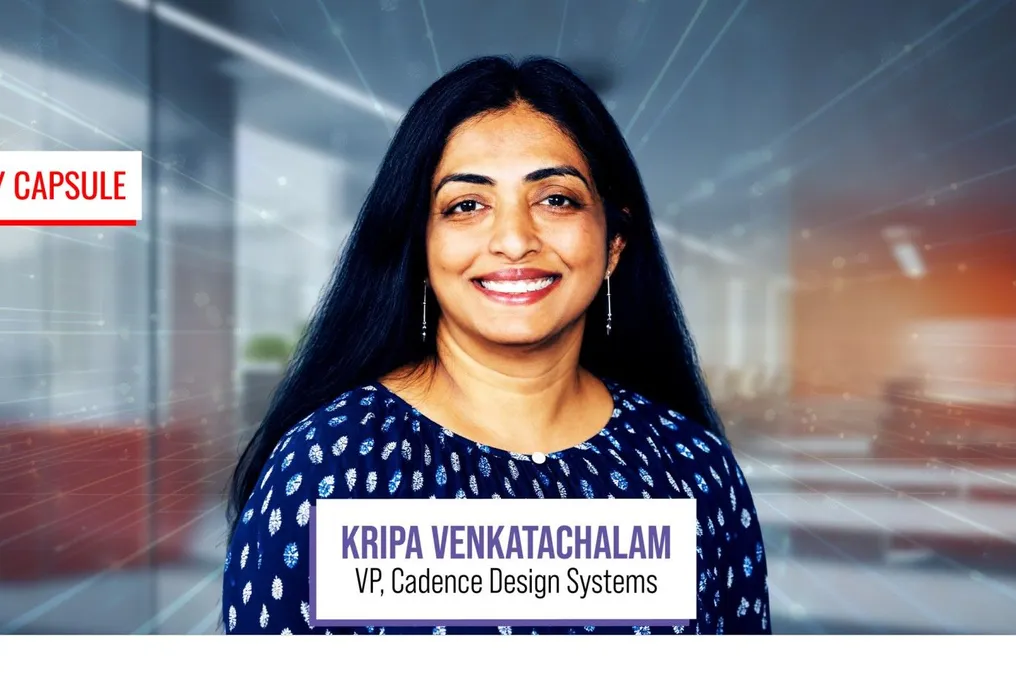
As part of a series of publications on women in the technology sector, Kripa Venkatachalam, Vice President of Technical Organization India and Global Customer Success at Cadence Design Systems, shares her views on gender barriers, changes in workplace policies, mentorship, and the importance of having people who support you. Her career, spanning over two decades, has included work at various companies such as LSI Logic Corporation, Synopsys, GlobalFoundries, and Siemens EDA. Today, as VP of Technical Organization India and Global Customer Success at Cadence Design Systems, she has what she calls a 'front-row seat' to observe how world-class microchips are being developed in India.
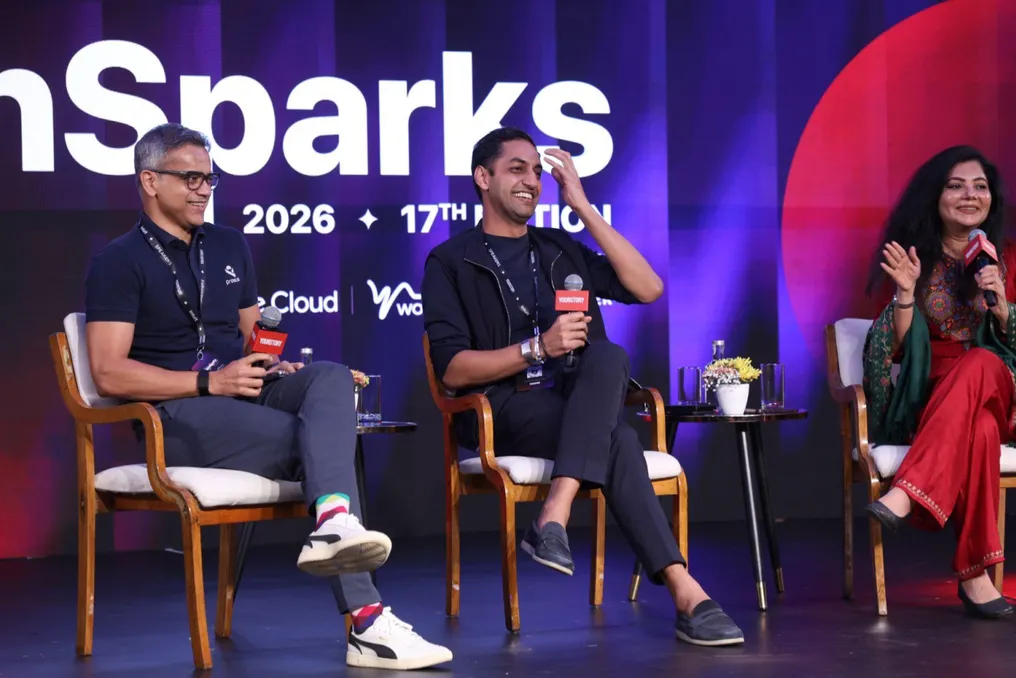
At the TechSparks 2026 event, K Yatish Rajawat, co-founder of Hundred Million Jobs—a non-profit initiative aimed at creating 100 million clean jobs in India over the next decade—stated that future waves of employment in the country will be shaped by factors such as SMEs, data laws, entrepreneurship, and upskilling.