
Disney+ reduces image quality in Brazil, removing 4K and HDR, keeping price
Read more
Tecnoblog
tecnoblog.net

Disney+ reduces image quality in Brazil, removing 4K and HDR, keeping price

The image quality of Disney+ Premium has deteriorated in Brazil. Subscribers to the most expensive plan have lost the ability to view content in 4K and HDR. Despite this reduction, the cost remains unchanged at R$ 69.90, with the maximum resolution limited to 1080p. Initially, this resolution is the same offered in the less costly plans, although an update on the Disney+ portal suggests a possible additional decline.

This change in the streaming service occurred without any prior notification to customers. One of the main advantages of the Premium plan was the permission to watch live broadcasts of channels, such as football matches broadcast by ESPN.

According to information gathered by Canaltech, the modification is reportedly related to a legal dispute between Disney and InterDigital, the holder of the patents that enable transmission technologies. Tecnoblog attempted to contact the company but received no response by the end of the report.

Disney+ offers three options in Brazil: Standard with ads, Standard without ads, and Premium. Previously, the most expensive option ensured better visual quality, in addition to access to live ESPN sports and other channels. Download and simultaneous device number functionalities remain available.

The price disparity is notable; there is a difference of R$ 20 between the intermediate and Premium plans. The Disney+ website in Brazil states that the Standard plans no longer guarantee 1080p resolution, but it does not clarify whether this necessarily implies a drop in image quality.

A lawsuit filed by InterDigital, a company based in the United States responsible for the licenses for the use of transmission technologies, is pointed to as the probable cause of the service change. The decision unfavorable to Disney was issued in September 2025, in the 7th Business Court of Rio de Janeiro.

At that time, the central allegation involved the improper use of AVC and HEVC standards, which are technologies used to compress videos. This case has already been judged in the second instance, and the decision was upheld.

Additionally, in July, Disney removed 4K and HDR from its content in Europe, following similar judicial decisions, restricting the service to 1080p resolution in certain countries. According to what Hi-Fi reported, the company had stated it had reinstated this functionality in August, but some devices were not included in this update.
Similar stories

E-commerce platform promotes Amazon art and crafts to the national market
Read more
g1.globo.com

E-commerce platform promotes Amazon art and crafts to the national market

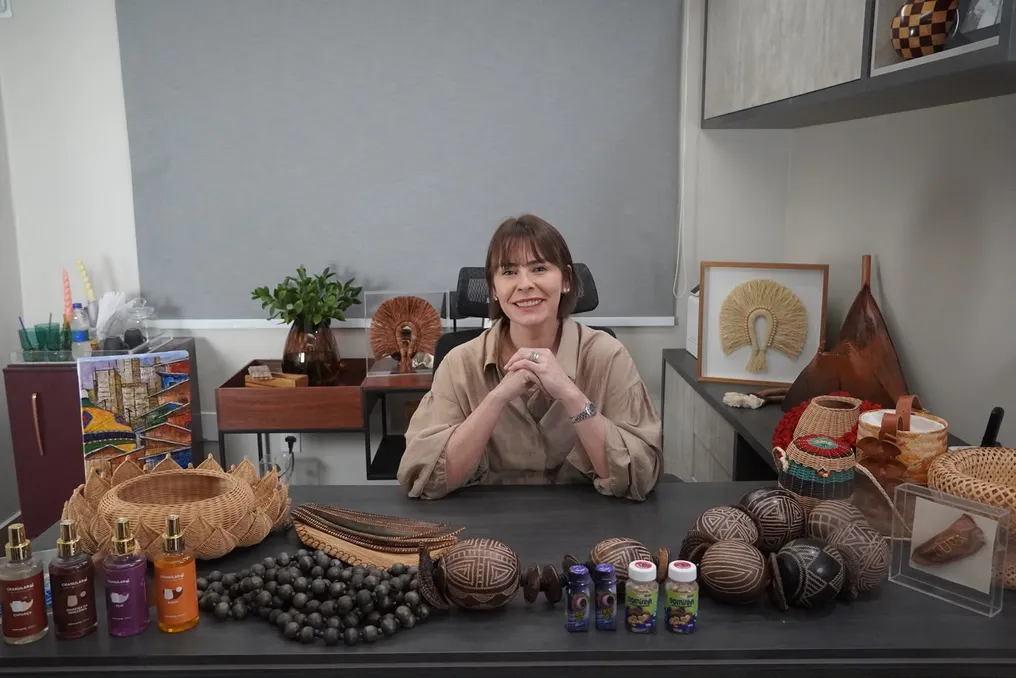
Made in Amazon was created with the purpose of being more than just an online store; it functions as a link between producers and residents of the forest and an audience that would otherwise have difficulty accessing these works outside the region. Thus, the platform aims to give visibility to artists and communities from the Amazon in Brazil and on the world stage.

For an item originating from the Amazon bioeconomy to become a commercial asset, it is necessary to go beyond good presentation. According to Pamela Mota Oliveira, the platform's founder, the process begins with rigorous selection. She explains that they seek a keen eye, a curation that combines contemporary elements with traditional craftsmanship, recognizing that the consumer, whether tourist or not, has high expectations for quality, and that pieces with Amazonian identity add differentiated value.

The manager emphasizes that the challenge is to demonstrate that modern style and craftsmanship are not mutually exclusive. The goal is to reinforce that the products, even if handmade, can be applied in multiple ways—whether to decorate a space, create jewelry, put together an outfit, or even a recipe—presenting them as modern and timeless.

Rita Prossi, a partner biojewelry designer, exemplifies this proposal by transforming Amazonian fibers and seeds into original pieces that now reach markets outside the state. Rita shares that her childhood took place in Itacoatiara, in the Eva Paraná, experiencing a riverside life with strong contact with nature. She states she has been a poet since early on, and poetry guided her to become a jewelry and fashion designer. Her start was in crafts in São Paulo, but upon returning to Manaus, she established a jewelry store in Academia Cagim, where she conceived the first symbols of her riverside childhood, such as the canoe, paddle, sieve, fan, bow and arrow, sapé, and turtle.

While researching a durable fiber capable of replacing chains, Rita discovered arumã, a fiber used by indigenous peoples, and began working intensively with it. She highlights that what unites her first creations are the Amazonian fibers and seeds, keeping the connection to her childhood alive.

Another artist integrated into the Made in Amazon group is Katula Garcia, a textile art specialist, who uses manual techniques to produce original pieces inspired by Amazonian culture. For Katula, witnessing her work transcend the borders of Amazonas encapsulates the meaning of this collaboration. She describes the experience as extremely rewarding, feeling fulfillment and recognition when seeing her works reach people from various places through Made in Amazon. Katula emphasizes that each piece carries a fragment of her history, creativity, and artisanal dedication, and that the support of people from other states motivates her to further expand textile art.

Popular