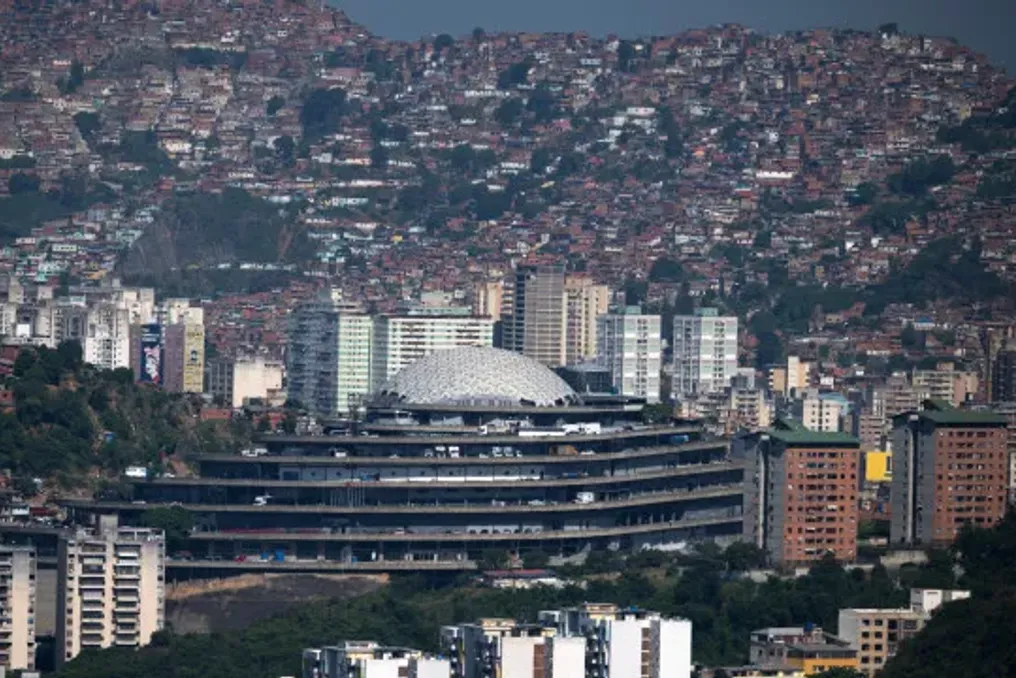
The Venezuelan Prison Observatory (OVP) denounced the death of another inmate suffering from heart disease at the Judicial Detention Center of the Island Region, located in the state of Nueva Esparta, northeast of the country. César Ramón Aguilera Villahermosa died on October 23 while detained.
The OVP released a statement on social media, stating that the death reignites the debate about the conditions of medical care in Venezuelan prisons and the obligation of the system to guarantee the health of those in custody. The denunciation comes after the OVP warned that between April and September 2026, more than 60 prisoners died under state custody.
According to the OVP, most of these deaths were linked to severe malnutrition, complications from illnesses, and the absence of adequate specialized care. Specifically regarding Aguilera Villahermosa, the OVP reported that he died due to 'cardiogenic shock, dilated cardiomyopathy, severe arteriosclerosis, and arterial hypertension,' demanding that authorities clarify whether there was prior diagnosis, what treatment he received, and if he had access to specialized and timely medical care.
Humberto Prado, director of the OVP, requested an immediate, thorough, and impartial investigation to determine the circumstances of Aguilera Villahermosa's death. He demanded information about the inmate's medical history, the treatments provided, and the actions taken by penitentiary authorities regarding his pathologies. The statement emphasizes that individuals deprived of liberty depend on the State to obtain medications, medical evaluations, and hospital transfers, and that in cases of death in custody, authorities must account for the support received, not just report the cause of death.
Additionally, the OVP denounced that the Margarita prison was the scene of one of the most notorious episodes of the 'pranato,' which is the control system exercised by organized crime and mafias in local prisons. This location was under the domain of Teófilo Rodríguez Cazorla, known as 'El Conejo,' who held great power, including operating a pool and nightclub. After his assassination on January 24, 2016, inmates responded with gunfire from inside the prison, exposing the armed control existing in the establishment.
In response to these events, the OVP mentioned that there was an intervention and evacuation of the prison in February 2016, resulting in the transfer of more than a thousand inmates to other units, while authorities announced renovation and restructuring works. The non-governmental organization also recorded in 2024 that at least 125 people remained imprisoned in that center, even without public communication about its rehabilitation or formal reopening.
The OVP adds that it has received reports that some inmates paid to remain in the facility, while others were kept in overcrowded prisons, both in island police stations and in other states of the country. Ten years after the evacuation, the operation of the prison continues to raise questions about the situation of the prison population, detention conditions, and oversight mechanisms. Humberto Prado reinforces the request for investigations to cover all human rights violations in Venezuela, especially those related to life, such as deaths due to lack of medical assistance and acts of internal violence, demanding the identification of those responsible. Finally, he urged local authorities to detail the current conditions of the Margarita prison, the number of inmates, and the health services available there.