Uzbekistan is transitioning from establishing the legal framework for Islamic finance to practically introducing new financial instruments. To achieve this, a roadmap has been developed for the period from 2026 to 2030, covering five areas of work and including 39 measures.
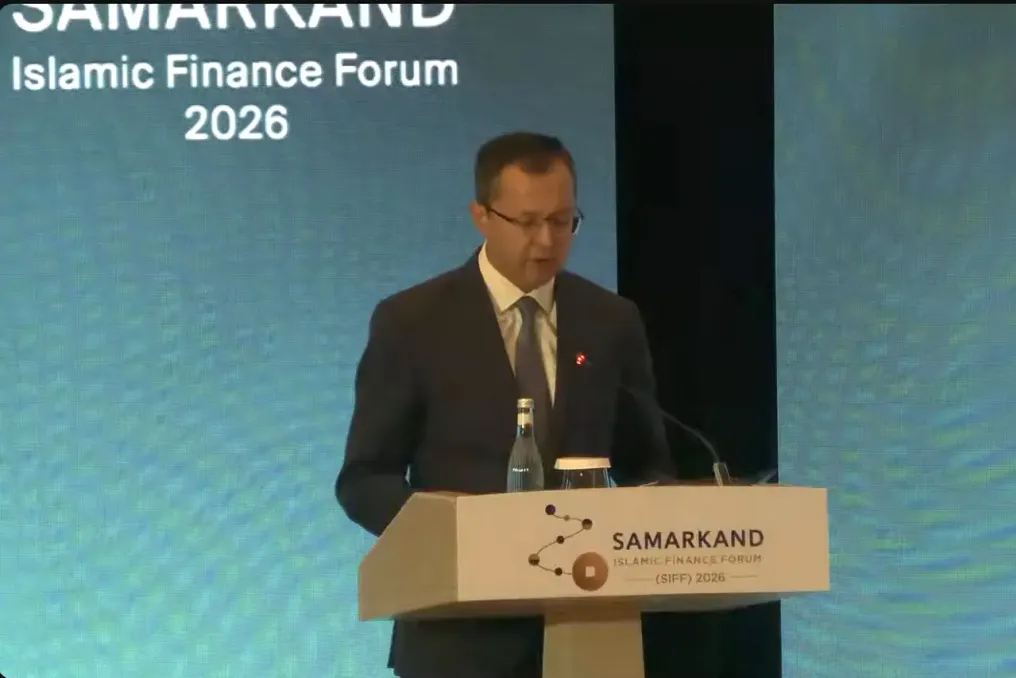
The Chairman of the Central Bank, Timur Ishmetov, presented this plan at the International Forum on Islamic Finance in Samarkand. According to Ishmetov, this roadmap provides for legislative improvements, training of qualified specialists, increasing public financial literacy, expanding international cooperation, and developing the infrastructure necessary for Islamic banking.
Currently, 11 microfinance organizations in Uzbekistan provide Islamic financial services, utilizing instruments such as Murabaha, Ijarah, Mudarabah, and Musharaka. Ishmetov noted that developing the sector through non-banking institutions allowed for testing new financial products for the local market and gaining practical experience in their application.
A significant step was the adoption of a law in 2026 that introduces Islamic banking activities. This legislation laid the foundation for opening full-fledged Islamic banks, as well as specialized units offering Islamic banking services within traditional banks.
To regulate the industry, the Central Bank established a two-tiered governance model for Islamic finance and created a Council for Islamic Finance consisting of five members. This council is intended to promote compliance with relevant standards, improve decision-making quality, and strengthen risk management.
The legislation also provides for tax neutrality mechanisms designed to eliminate differences in taxation between conventional and Islamic financial operations arising from their different structures.
The next stage will be creating the legal basis for issuing Islamic securities, including Sukuk. Ishmetov reported that the government has prepared a revised draft Capital Market Law, which includes a separate chapter on Sukuk. The adoption of this law is expected to provide the legal basis for issuing sovereign and corporate Islamic bonds.
Uzbekistan is also increasing its interaction with international organizations in the field of Islamic finance. In 2025, the Central Bank joined the Islamic Financial Services Board (IFSB), and membership in the Accounting and Auditing Organization for Islamic Financial Institutions (AAOIFI) is planned for 2026.
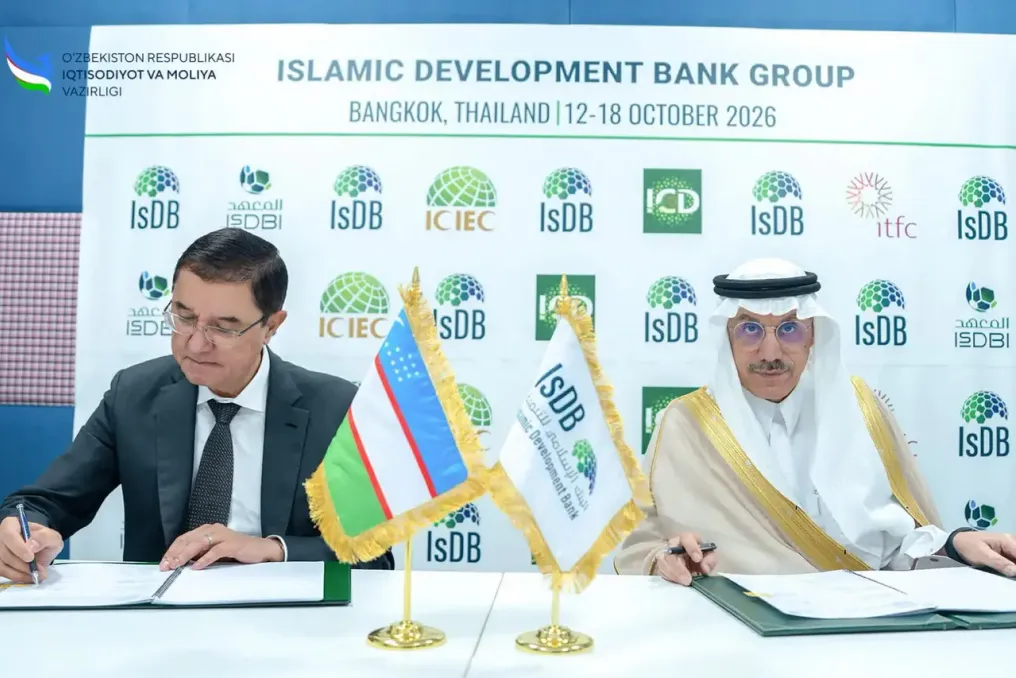
Cooperation with these organizations will help Uzbekistan study international standards and adapt established practices to local market conditions. Ishmetov emphasized that further development of the sector requires coordinated actions among state agencies, international financial institutions, the academic community, and market participants. Potential partners mentioned include the Islamic Development Bank, the Asian Development Bank, the International Finance Corporation (IFC), and AAOIFI.
Collaboration with these structures is expected to support specialist training, the introduction of new financial instruments, and the development of practical solutions. According to the Central Bank Chairman, key priorities include timely execution of roadmap measures, coordination of responsible organizations' work, and regular monitoring of achieved results.