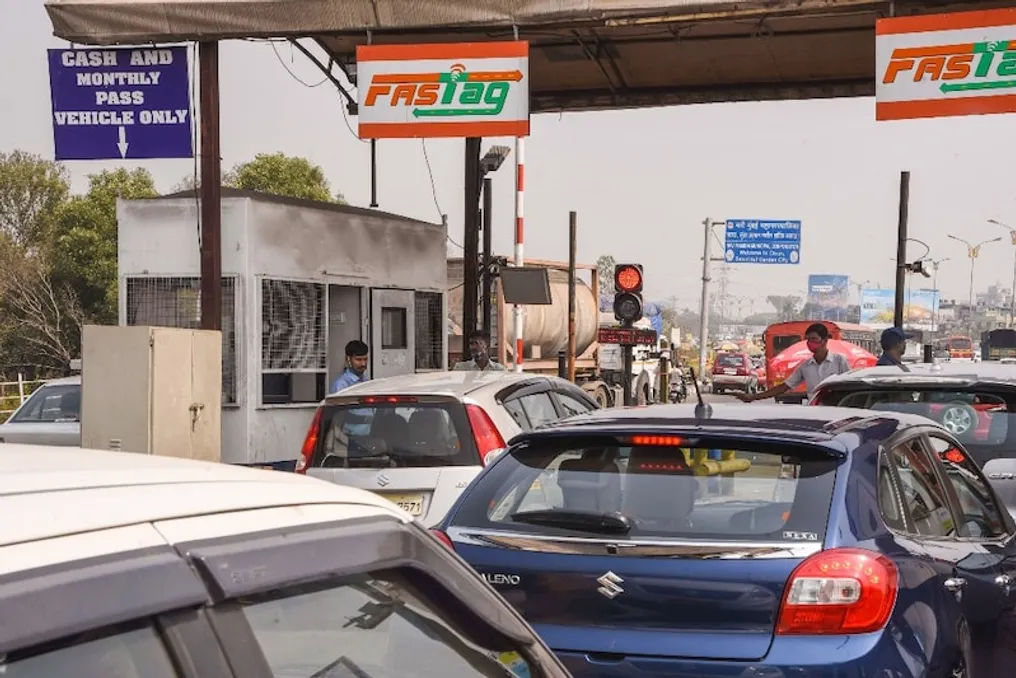
Annual toll pass for paid roads introduced from November 1st: cost will be 1500 rupees
Read more
Aaj Tak
www.aajtak.in

Annual toll pass for paid roads introduced from November 1st: cost will be 1500 rupees

The central government has announced the introduction of a new annual travel pass. This pass is intended for residents living within a 20-kilometer radius of toll collection points on national highways. It will become effective on November 1st. Residents meeting the criteria can purchase this annual pass for 1500 rupees.

The cost of this pass may range from 1500 to 3000 rupees, depending on the distance from the residence to the specific toll point. The Ministry of Transport and Highways published a notification about these changes.

These adjustments have been made in accordance with the Rules for Determining and Collecting Tolls on National Highways (fifth amendment) of 2026, which update the existing rules introduced in 2008. The goal of this program is to provide preferential fares for travel for people living near toll collection points on national highways.

The Minister of Transport and Highways, Nitin Gadkari, shared this information on the social network X. He wrote that it is a 'big step towards simplifying life!' and announced that from November 1, 2026, owners of eligible non-commercial vehicles residing within 20 kilometers of a national highway toll point will be able to use a 'preferential local pass.'

According to the established rules, only private vehicle owners residing within a 20-kilometer radius of a national highway toll point are entitled to this pass. This service is provided upon having a valid and functional FASTag, as well as the vehicle owner complying with all established rules.

It is important to note that this pass is valid only for a specific toll point and cannot be used on any other paid road. The government announced two types of passes: for a pass located outside municipal or local settlements, the cost is 1500 rupees. For an annual pass located within the boundaries of a municipality or local settlement, the cost will be 3000 rupees. These changes will take effect on November 1, 2026.

However, this preferential service will not be available on national highways or expressways operating under a closed user toll collection system. Furthermore, the service does not apply to toll points that have service roads or other alternative routes. This means that not every person living within a 20-kilometer radius will be able to obtain this pass. The central government reserves the right to review these tariffs on April 1.
Similar stories

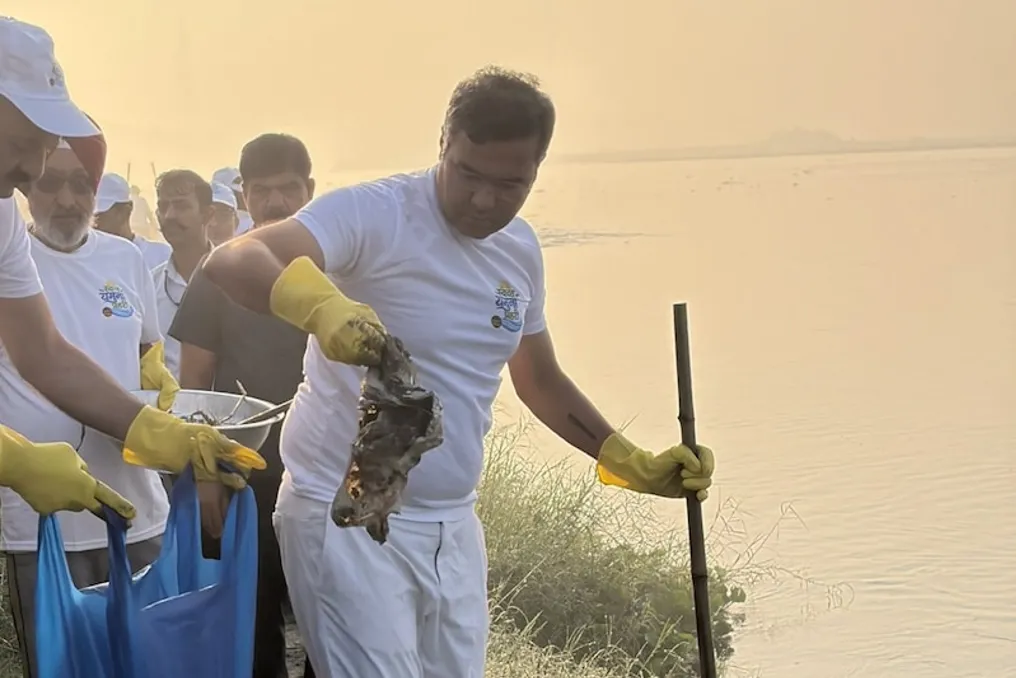
Plan to create embankment along Yamuna River in Delhi modeled after Sabarmati
Read more
www.aajtak.in

Plan to create embankment along Yamuna River in Delhi modeled after Sabarmati

Authorities are preparing to transform the appearance of the banks of the Yamuna River in Delhi. The development of an embankment from Palla to Kalindi Kund is planned, which will be created following the example of the Sabarmati Riverfront in Ahmedabad. The project includes the establishment of bicycle paths, pedestrian trails, sports grounds, and recreation areas.

The project implementation is scheduled in two phases. Minister of Water Resources Pravesh Verma states that the results of this initiative will be visible to the public within the current government's term. A Memorandum of Understanding (MoU) has been signed with Sabarmati Riverfront Development Corporation to advance this plan. Consultants are currently being appointed to study the model adopted in Sabarmati to adapt the development plan to Delhi's needs.

The development of the Yamuna embankment will proceed in two parts, based on the foundation of the Vajirabad reservoir. The first phase will cover the section from Palla to Vajirabad. The second phase will focus on developing the coastline from Vajirabad to Okhla Barrage near Kalindi Kund. The government's priority is to complete the first phase, which will serve as the basis for creating the initial model of the embankment before expanding work to subsequent sections.

The proposed project includes pedestrian paths, cycle tracks, playgrounds, and open public spaces designed to provide people with more comfortable places for walking and leisure. However, the final look of these facilities will only be determined after the detailed project plan is developed.

To prepare for this project, Pravesh Verma visited the Sabarmati Riverfront along with officials from the Delhi Water Board and the Department of Irrigation and Flood Control to familiarize himself with the features of landscaping and waterfront management. The government intends to adopt these systems and adapt them to Delhi's needs.

Nevertheless, the development of the Yamuna banks is not merely a reproduction of the Sabarmati model. It is necessary to take into account the river's flow, flood threats, pollution, and surrounding urban areas. Cleaning the Yamuna is also an integral part of this program, as the problem of sewage entering the river has existed for a long time.

In connection with the cleaning of the Yamuna, the government is also working to increase the capacity of Sewage Treatment Plants (STPs). According to Pravesh Verma, out of 37 existing STPs in Delhi, 28 have been modernized in the last 18 months. Additionally, new stations are being built to increase wastewater treatment capacity by 250 million gallons daily. The government's goal is to ensure complete wastewater treatment in Delhi to prevent untreated dirty water from entering the Yamuna. The minister stated that the effect of cleaning the Yamuna should become noticeable in about two and a half years. Nevertheless, the proper functioning of the plants, an established sewage delivery system, and prevention of contamination from drains are critically important for this.

The Yamuna flows approximately 52 kilometers through Delhi. The section between Vajirabad and Okhla Barrage, covering about 22 kilometers, is of particular importance in terms of pollution and cleaning. The government plans to work on cleaning the river parallel to the embankment development. The success of this project will depend on the speed of appointing consultants, developing plans, obtaining necessary permits, and carrying out construction work. While the creation of the embankment may create new places for people by the river, effectively limiting the discharge of sewage and other pollutants remains equally important for the cleaning of the Yamuna.

Popular