The consumption of soft drinks, for example, has undergone significant changes, abandoning calories, sugar, and caffeine in favor of healthier formulations. This shift reflects the industry's response, even in highly profitable sectors, to the growing demand for nutritious, tasty, practical, and high-quality foods.
Market data demonstrates the scale of this transformation. A study by the American agency Allied Market Research projected that the global functional food market, valued at US$ 177.77 billion in 2019, is expected to reach US$ 267.92 billion by 2027, showing an annual growth rate of 6.7%. Additionally, Global Industry Analysts estimates that the worldwide organic food and beverage market could reach US$ 495.9 billion in 2027, highlighting that the expansion of the health trend is structural in the sector.
This evolution is not limited to beverages. Proteins, fibers, whole grains, organic items, natural ingredients, options with lower sodium or sugar content, and plant-based alternatives are gaining ground in the choices of those seeking a more balanced lifestyle.
Health as Italo Group's Response
The future outlook does not point to a single way of eating, but rather to a consumer who is more conscious about nutrients, product origin, practicality, and the impact of their dietary decisions on their daily routine.
This transformation also reaches supermarkets. The availability of diverse options in one place simplifies life for those who wish to make more conscious choices, eliminating the need to visit multiple establishments to find each category.
At Ítalo Barigui, the Health section features both national and imported products, meeting various needs, including whey, creatine, protein foods, granola, seeds, zero-sugar items, and options rich in fiber and other functional components. Alongside this, there are basic categories such as fresh produce and butchery, along with organic products, plant-based alternatives, beverages, and ingredients that aid in adapting recipes and habits.
Therefore, health is not confined to a specific item or a restrictive diet; it resides in the sum of choices. For the consumer, having sufficient variety to make these decisions in one place can be as relevant as finding the ideal product.
Protein, Fiber, and Functional Foods Gain Prominence
The demand for protein is a clear example of this change in consumer behavior. This nutrient is no longer relevant only to those who exercise, but is becoming important for those focused on satiety, muscle mass maintenance, and overall dietary quality.
Sources of protein can come from meat, eggs, dairy, but also from legumes, seeds, and other vegetable foods. The current focus is less on a specific diet and more on the ability to obtain multiple sources of nutrients to build balanced meals.
In this context, categories such as protein snacks, fiber-fortified pasta, whole grains, granola, seeds, and ready meals—which combine convenience and nutritional value—are becoming part of more people's daily lives.
Practicality is also a decisive factor. For individuals with busy routines, finding a nutritious option that is easy to store and prepare can be as crucial as the composition of the food itself.
Less Sugar, Less Sodium, and Recognizable Ingredients
The search for a healthier diet is also manifested in the reformulation of traditional categories, as seen in the case of Coca-Cola Zero Sugar. Drinks with reduced sugar, natural juices, fruit-based carbonated versions, and functional products are taking up space previously dominated by more conventional options.
The same occurs with seasonings, where industrialized products are being replaced by herbs and spices in preparations. At Ítalo Barigui, this trend is visible in Cipria products, a line of herbs and spices from Curitiba, which allows for the creation of seasonings using natural ingredients.
This transition does not imply turning every meal into a list of prohibitions. On the contrary, the consumer seeks alternatives that allow them to maintain pleasure and flavor while making more conscious choices. This balance explains the broad scope of the health trend: the consumer does not have to give up a familiar drink, a sweet, or a quick meal; they want options to choose what best suits their moment.
Organic foods are defined as high-quality products, free from pesticides, and consumers also seek them for sustainability reasons.
Organics and Certifications Connect Health and Sustainability
Attention to the contents of the plate is also linked to how the food is produced. Organic products, certification seals related to production, and animal welfare initiatives have become criteria observed by consumers who want to know more about the origin of what they purchase. In this scenario, sustainability transcends mere environmental discussion and begins to influence purchasing decisions.
At Ítalo Supermarkets, this concern is reflected in several sections. Among the available offers are eggs from brands with cage-free production certifications, as well as organic products covering vegetables, grains, coffee, and other categories.
The strategy is to offer alternatives for various consumer profiles, including those who wish to gradually introduce these types of products into their routine.
Health Starts with Fresh Produce and Extends to Proteins
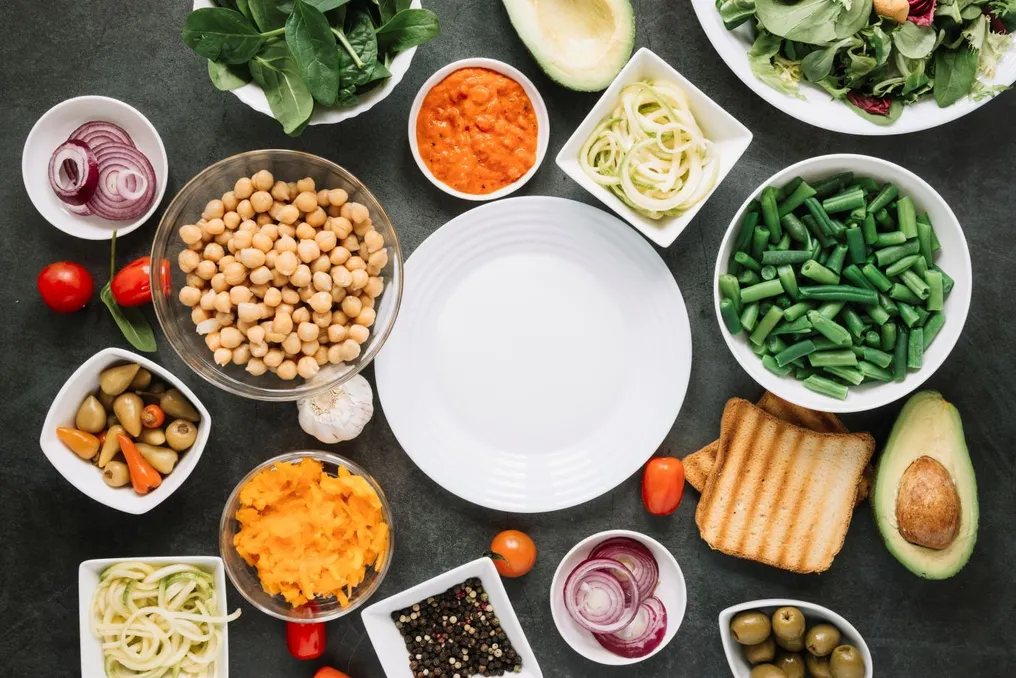
A balanced diet does not depend exclusively on items with functional characteristics on the packaging; its foundation remains constituted by fresh and familiar foods. In this sense, the fresh produce section of Ítalo Supermarkets plays a central role, as fruits, vegetables, legumes, and other fresh ingredients enable the assembly of varied meals, essential for a dietary routine based on different nutrients.
The same principle applies to animal protein sources. In the butcher shop, the diversity of meats expands possibilities for those seeking different types of protein and wishing to combine these foods with vegetables, grains, and other side dishes.
It is this combination that takes health out of the theoretical field and places it in everyday life. A shopping cart can gather fruits for breakfast, vegetables for main meals, grains and seeds, a source of protein, whole grains, and functional options for specific times of the day.