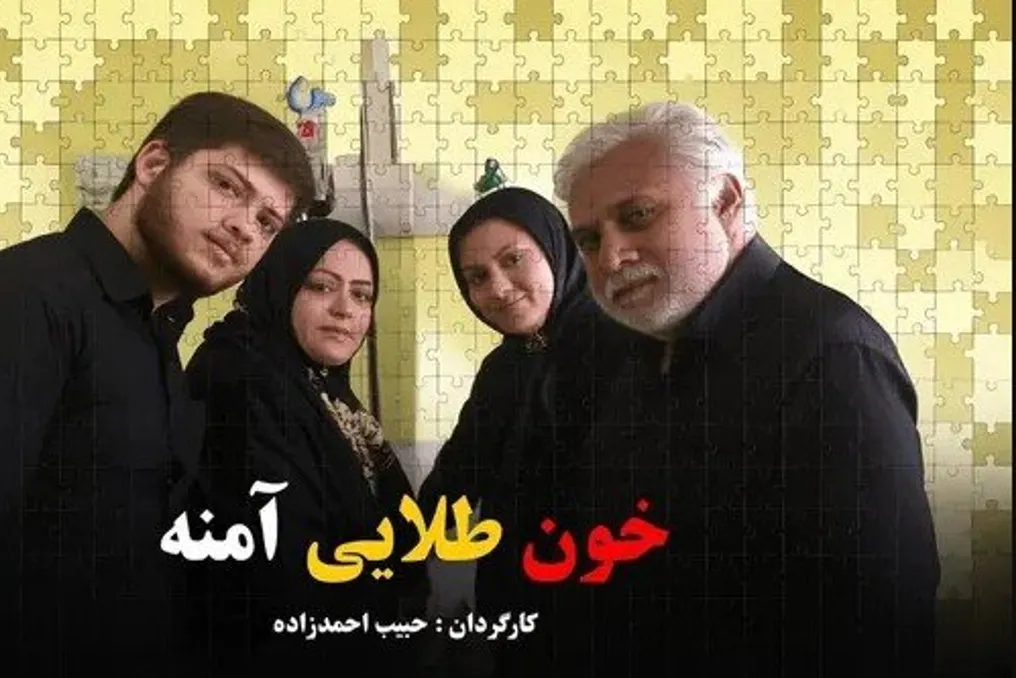
The documentary "Golden Blood of Ameneh" by Iranian screenwriter and filmmaker Habib Ahmadzadeh was screened simultaneously at the University of York in Toronto, Canada, and at the Tarikh cafe in Tehran on Friday, October 23. The event brought together audiences from both countries to explore a story about medical urgency, human solidarity, and the search for an extremely rare blood type.
The screening at the University of York was organized at the invitation of Claudia Choufan, a professor at the university's School of Policy and Health Management. The event was held both in person and online for faculty and students, followed by a 90-minute Q&A session with Ahmadzadeh.
The film tells the story of Ameneh, a young woman from the southern Iranian port city of Bushehr, whose critical need for an extremely rare blood type triggered an international search for a potentially life-saving transfusion.
The screening and discussion in Toronto were organized by the University of York's West Asia Research Cluster. Furthermore, the event addressed the humanitarian consequences of sanctions and their impact on medical decisions and the healthcare system.
Meanwhile, the documentary was shown to an Iranian audience at the Tarikh cafe in Tehran. The program was hosted by film documentarian and researcher of Iranian history Hossein Dehbashi, and film critic Abbas Yari was also present. A discussion with Ahmadzadeh followed the screening.
The film highlights the efforts of Dr. Mostafa Moghaddam in searching for compatible blood for Ameneh, whose blood type, according to the film, is Rh-null—an exceptionally rare type sometimes called 'golden blood.' The search underscores the importance of international cooperation and the difficulties faced by medical professionals when a patient requires blood available only from a few known donors worldwide.
Through its intense cinematic narrative, Ahmadzadeh's documentary presents the medical complexity of the case alongside the actions of people and organizations working across national borders to find the necessary blood.
According to organizers, the film has been prepared with subtitles in 55 languages to raise public awareness about rare blood types and ensure the story's accessibility to an international audience. It is also available free on the Iranian video platform Aparat.
The screening at the University of York is part of the film's international promotion, which uses a personal medical story to stimulate discussions on healthcare, access to treatment, and the role of international solidarity in critical situations.