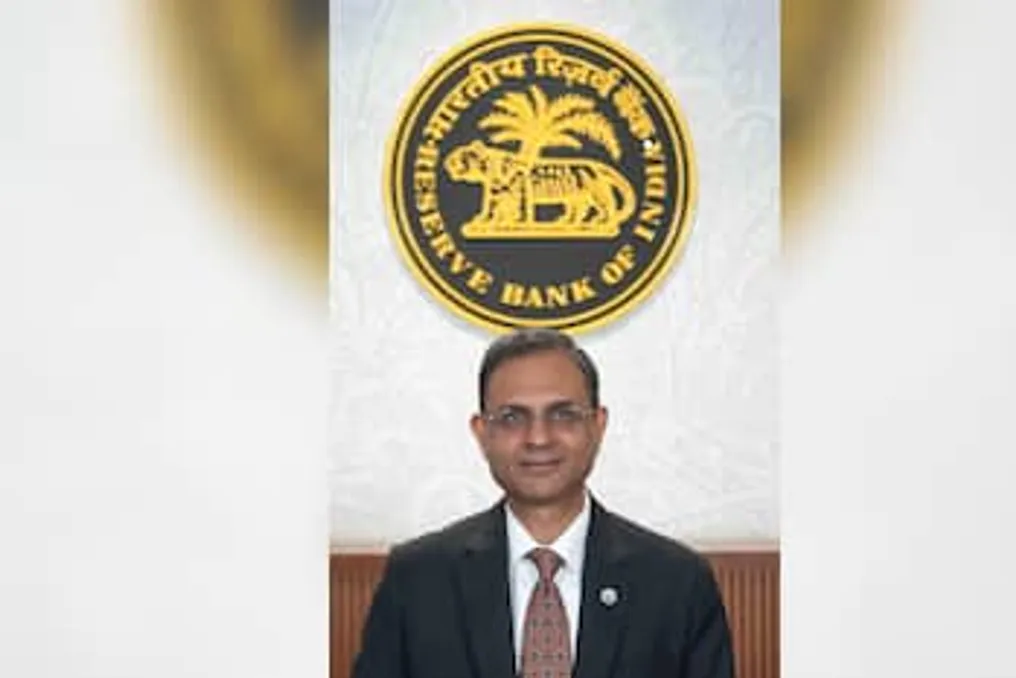
The new Reserve Bank of India (RBI) data center complex in Bhubaneswar is intended to strengthen the country's financial system resilience and improve the availability of vital services, including government banking operations and payment systems, stated Managing Director Sanjay Malhotra on Sunday.
This facility, valued at 169 crore rupees, was formally inaugurated by Prime Minister Narendra Modi earlier that day. According to Malhotra in an interview with DD India, the data center holds the highest Tier-IV accreditation from the Uptime Institute and will operate independently of third-party cloud providers.
Malhotra emphasized that for the country's central bank, information technology has evolved beyond a mere support function; it has become the core of its operations, as all applications for consumers, the public, and the bank's own needs run through it.
RBI's payment systems, such as the National Electronic Funds Transfer (NEFT) and Real Time Gross Settlement (RTGS), operate around the clock. Although the Unified Payments Interface (UPI) is managed by the National Payments Corporation of India (NPCI), final transaction settlement occurs through the regulator's applications and data centers.
The infrastructure will also support other crucial applications, such as the e-Kuber platform used by the Centre, government agencies, and banks, as well as the integrated RBI Ombudsman system. Furthermore, the facility will host applications related to licenses and permits requested by entities regulated by the central bank.
The complex will consist of four independent data centers. The RBI has also applied for a platinum rating from the Indian Green Building Council, which recognizes the building's energy and water efficiency standards.
The project includes a cybersecurity training institute, with two-thirds of the area allocated to the institute itself and one-third to the data center. It will train RBI staff, bank employees, and workers from other financial sector organizations in new technologies and cybersecurity, including Artificial Intelligence (AI), big data analytics, quantum technologies, and blockchain. The institute will also conduct research to enhance the reliability and efficiency of financial systems.
The Managing Director noted the growing importance of cybersecurity, especially amid the rise of AI, adding that the institute will focus on keeping personnel updated with the latest technological advancements.
Explaining the choice of location, the Managing Director mentioned that three existing RBI data centers were located in Maharashtra. Bhubaneswar offered geographical isolation and was situated in a different seismic zone, providing an additional layer of protection against local failures. Access to skilled personnel in the region was also a contributing factor.