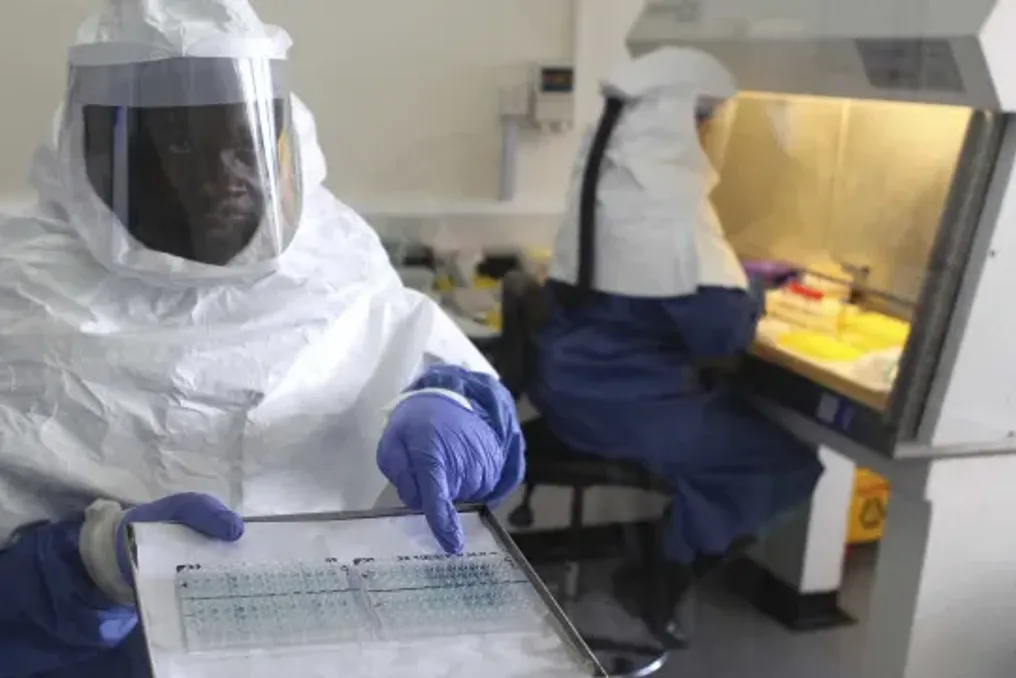
Health experts warned Lusa that local population distrust and a history of violence in eastern Democratic Republic of Congo (DRCongo) are complicating the fight against Ebola, causing the epidemic to advance underreported in official statistics.
Mohamed Yakub Janabi, Regional Director of the World Health Organization (WHO) for Africa, reported that on October 20, DRCongo registered 9,704 confirmed cases and 4,687 deaths, resulting in a mortality rate of 48.3%. However, field perception indicates that the real numbers are considerably higher.
Tomás Bandeira, head of tropical medicine at Médecins Sans Frontières (MSF), warned that available data likely underestimate the reality, allowing the disease to spread 'in the shadows' and indicating that the problem is 'far from being solved.'
The MSF representative reported that many cases do not reach treatment in time, in inaccessible areas, either because communities do not accept the teams or due to security conditions.
The Portuguese doctor explained that the local population showed distrust towards international teams because they had no history of contact with humanitarian organizations and were accustomed to seeking help from foreigners linked to mining or using traditional treatments.
To overcome this lack of trust, which led to attacks on treatment centers, such as occurred in Nyankunde in July, the WHO and its partners intensified work with community leaders, religious figures, traditional medicine practitioners, survivors, and local health agents, as detailed by Mohamed Yakub Janabi.
In Nyankunde, 32 dialogues involving over 1,500 leaders and influential figures were held. This action raised daily community alerts from a peak of 11 to something between 60 and 70 in September, and there have been no new attacks in the area since July.
Similarly, in Mongbwalu, almost six months after MSF's arrival, engagement with local authorities and community leaders helped ensure the treatment center was accepted by the population, leading people to return to the hospital.
Ebola is characterized by being highly contagious, transmitted through direct contact with bodily fluids of infected individuals, including vomit and blood, or by touching contaminated surfaces and materials, such as bedding and clothing.
The epidemic, caused by the Bundibugyo virus—about which clinical uncertainties persist due to a lack of comparative data—is classified by Tomás Bandeira as 'a crisis within a crisis.'
The doctor recalled that the situation in the country, neighboring Angola, occurs in a context of armed conflict, with the presence of various paramilitary groups, which generates high levels of population displacement and concomitant outbreaks of cholera and malaria.
The WHO director stressed that while Ebola requires reliable access to patients and contact tracing, cholera demands potable water, sanitation, and specific vaccination.
Additionally, the Portuguese doctor observed that the exclusive focus on Ebola is diverting attention and resources from vaccination campaigns and the fight against other deadly diseases, such as malaria.
To contain transmission, the WHO regional director advocated for urgent needs, including ensuring safe humanitarian access, securing predictable funding, providing reliable support and payment to frontline professionals, in addition to supplying appropriate supplies and materials.