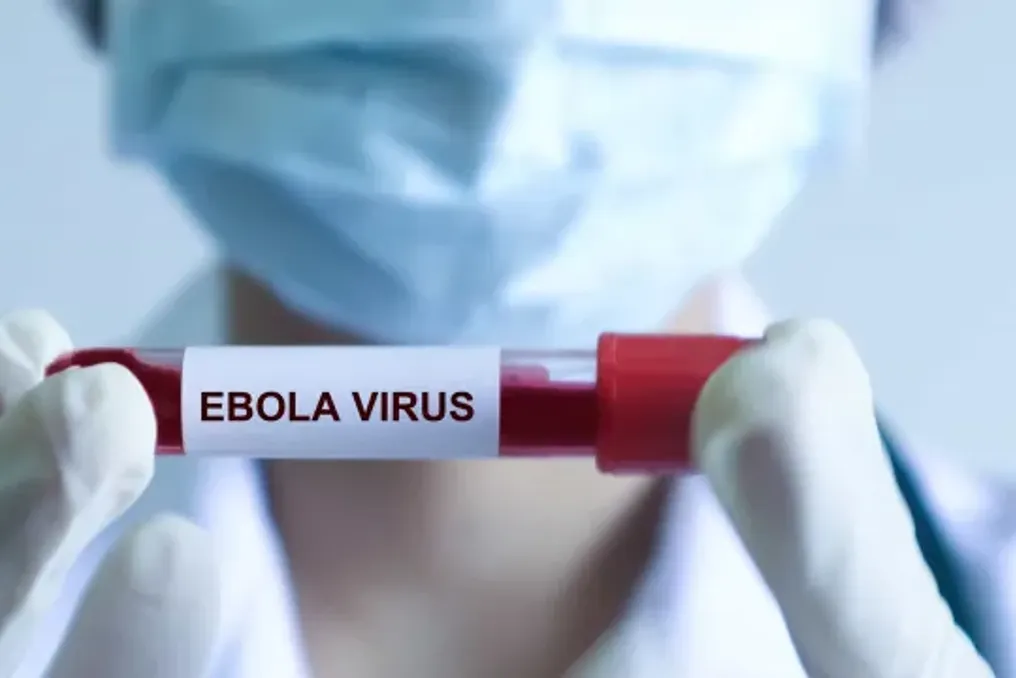
Mental health is a priority in the fight against the Ebola epidemic in the DRC
Read more
Noticias ao Minuto
noticiasaominuto.com

Mental health is a priority in the fight against the Ebola epidemic in the DRC

Portuguese doctor Thomas Bandeira told Lusa that mental health must become the main priority when responding to the Ebola outbreak in eastern Democratic Republic of Congo (DRC), as this disease 'destroys entire families and communities.'

Working directly in Mongbavu, Thomas Bandeira, who serves as a tropical medicine specialist at Médecins Sans Frontières (MSF), emphasized that the psychological support provided by the organization on site is paramount. This support covers both medical staff and patients—from the moment of hospitalization through post-discharge follow-up, as well as their families.

He warned that Ebola destroys on multiple levels, annihilating not only lives but also entire communities in this country, which borders Angola.

In this regard, the MSF mental health team, composed of psychologists and specialists, is working to create support networks at the family and community level, explained Bandeira.

The doctor noted that the mortality rate, approaching 50%, particularly affects healthcare workers. He stated that no doctor or nurse is prepared or accustomed to dealing with situations where one person dies out of two.

Bandeira added that witnessing the death of an Ebola patient firsthand is an unforgettable experience. To cope with the daily pressure and continue working on the ground, the MSF specialist advocates for an approach focused on success stories: 'Instead of looking at the 50% who die, we must focus on the 50% who survive. Every patient who comes to us is a new battle.'

He concluded that one cannot constantly dwell on the lost, but rather should focus on those who have been cured and who continue to matter to their work.

The Regional Director of the World Health Organization (WHO) for Africa, Mohamed Yakub Janabi, reported to Lusa that as of October 20, the DRC had registered 9,704 confirmed cases and 4,687 deaths, corresponding to a case fatality rate of 48.3%.

Ebola is a highly contagious disease transmitted through direct contact with the bodily fluids of an infected person, including blood and vomit, or through contact with contaminated materials and surfaces such as bedding and clothing.
Similar stories

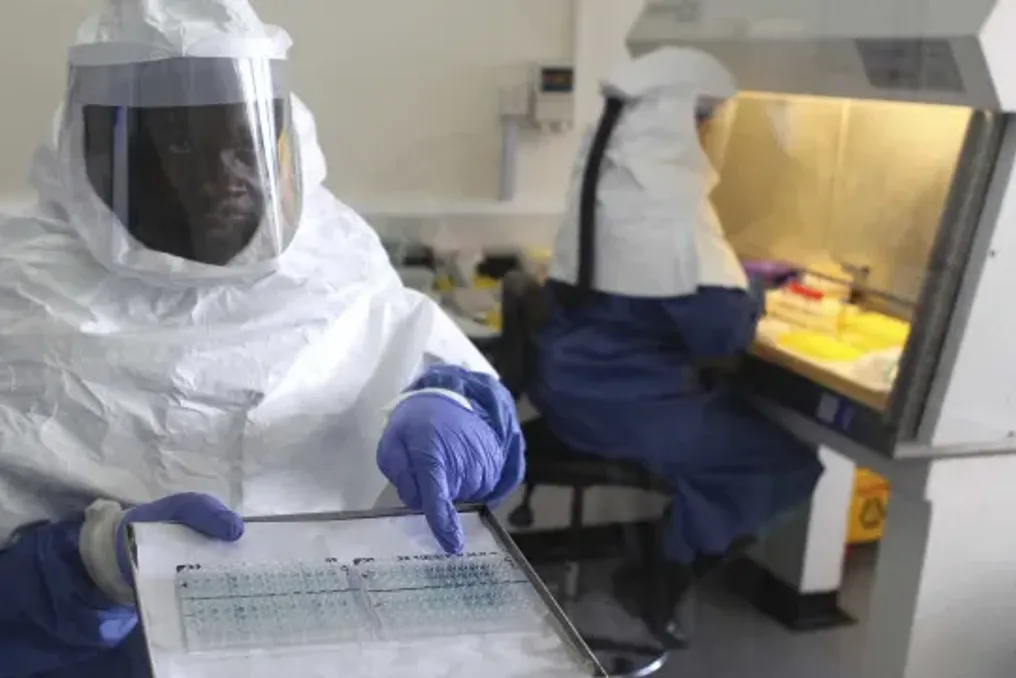
Skepticism and violence hinder control of Ebola epidemic in the Democratic Republic of Congo
Read more
noticiasaominuto.com

Skepticism and violence hinder control of Ebola epidemic in the Democratic Republic of Congo

Health experts warned Lusa that local population distrust and a history of violence in eastern Democratic Republic of Congo (DRCongo) are complicating the fight against Ebola, causing the epidemic to advance underreported in official statistics.

Mohamed Yakub Janabi, Regional Director of the World Health Organization (WHO) for Africa, reported that on October 20, DRCongo registered 9,704 confirmed cases and 4,687 deaths, resulting in a mortality rate of 48.3%. However, field perception indicates that the real numbers are considerably higher.

Tomás Bandeira, head of tropical medicine at Médecins Sans Frontières (MSF), warned that available data likely underestimate the reality, allowing the disease to spread 'in the shadows' and indicating that the problem is 'far from being solved.'

The MSF representative reported that many cases do not reach treatment in time, in inaccessible areas, either because communities do not accept the teams or due to security conditions.

The Portuguese doctor explained that the local population showed distrust towards international teams because they had no history of contact with humanitarian organizations and were accustomed to seeking help from foreigners linked to mining or using traditional treatments.

To overcome this lack of trust, which led to attacks on treatment centers, such as occurred in Nyankunde in July, the WHO and its partners intensified work with community leaders, religious figures, traditional medicine practitioners, survivors, and local health agents, as detailed by Mohamed Yakub Janabi.

In Nyankunde, 32 dialogues involving over 1,500 leaders and influential figures were held. This action raised daily community alerts from a peak of 11 to something between 60 and 70 in September, and there have been no new attacks in the area since July.

Similarly, in Mongbwalu, almost six months after MSF's arrival, engagement with local authorities and community leaders helped ensure the treatment center was accepted by the population, leading people to return to the hospital.

Ebola is characterized by being highly contagious, transmitted through direct contact with bodily fluids of infected individuals, including vomit and blood, or by touching contaminated surfaces and materials, such as bedding and clothing.

The epidemic, caused by the Bundibugyo virus—about which clinical uncertainties persist due to a lack of comparative data—is classified by Tomás Bandeira as 'a crisis within a crisis.'

The doctor recalled that the situation in the country, neighboring Angola, occurs in a context of armed conflict, with the presence of various paramilitary groups, which generates high levels of population displacement and concomitant outbreaks of cholera and malaria.

The WHO director stressed that while Ebola requires reliable access to patients and contact tracing, cholera demands potable water, sanitation, and specific vaccination.

Additionally, the Portuguese doctor observed that the exclusive focus on Ebola is diverting attention and resources from vaccination campaigns and the fight against other deadly diseases, such as malaria.

To contain transmission, the WHO regional director advocated for urgent needs, including ensuring safe humanitarian access, securing predictable funding, providing reliable support and payment to frontline professionals, in addition to supplying appropriate supplies and materials.

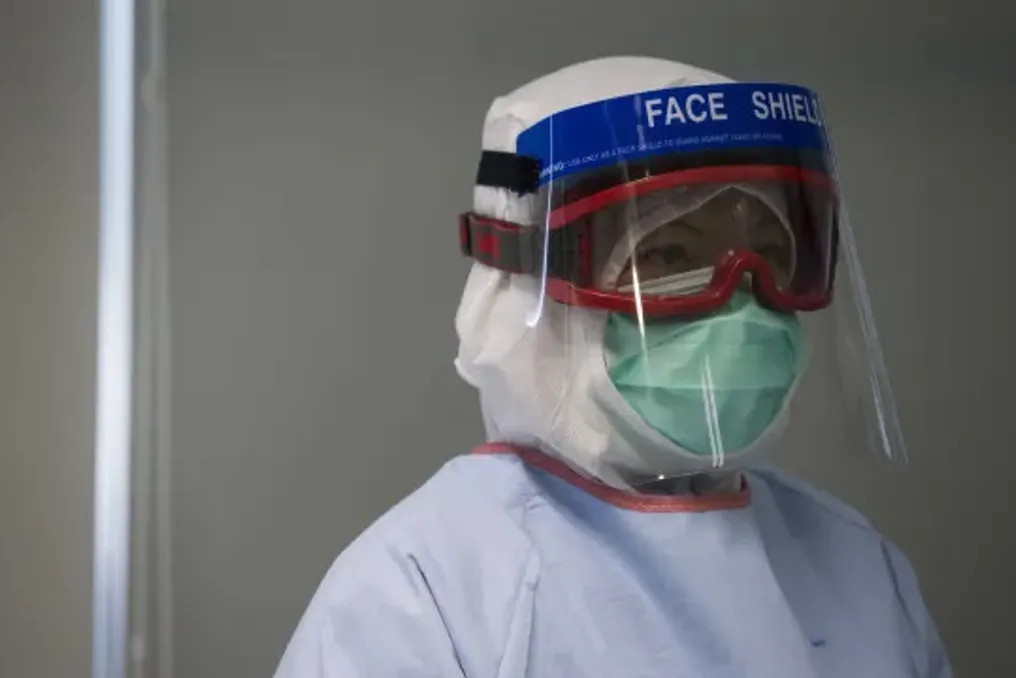
African Union offers technical and logistical support to Kenya due to increase in Ebola cases
Read more
noticiasaominuto.com

African Union offers technical and logistical support to Kenya due to increase in Ebola cases

The African Union's public health agency announced the dispatch of technical and logistical assistance to strengthen Kenya's response to the Ebola outbreak, following the confirmation of four new cases. With these new records, the total number of infections in Kenya has reached seven, one of which was imported from the Democratic Republic of Congo (DRC).

In a statement released this Saturday, the Africa Centres for Disease Control and Prevention (Africa CDC) reported that they are collaborating with the Kenyan government on crucial aspects of the emergency. The focus is on epidemiological surveillance, technical coordination, risk communication, and community engagement.

The continental health body emphasized the urgency of providing protective equipment to healthcare professionals working on the front lines. This is because three of the four new infected individuals were healthcare workers who provided assistance to the individual classified as 'patient zero' in the hospital.

Africa CDC stressed the importance of intensifying infection prevention and control measures, ensuring healthcare workers have 'adequate protective equipment, training, and continuous support.' Given the progression of the epidemic in the DRC, the origin of the first case detected in Kenya, the organization reaffirmed its commitment to intensifying cross-border surveillance and early detection among member states, aiming to contain viral spread regionally.

For its part, the Kenyan Ministry of Health stated in a document that the risk to the general population remains low, as there are 'no evidence of community transmission of the disease.' It was noted that out of the 130 people who came into contact with 'patient zero,' 128 (98.5%) were traced and quarantined, exceeding the global target of 85% for contact tracing, which is essential to interrupt the chain of transmission.

Kenya had confirmed its first imported Ebola case on October 5: a 40-year-old man who had resided in the DRC for the past seven years. This 'patient zero' received treatment in several Congolese hospitals before traveling overland to Kampala and subsequently flying from Uganda to Nairobi, arriving on October 3 and dying two days later. Since then, health authorities have initiated contact tracing to locate individuals potentially exposed to the virus during the patient's travel and treatment.

Kenya became the fourth country to report a case related to the Ebola epidemic in the DRC, joining Uganda, France, and the Netherlands. Furthermore, Ebola also spread to Uganda, where the World Health Organization (WHO) declared the end of the outbreak on August 26, after accounting for 20 confirmed cases, including 15 imported from the DRC, and two deaths.

The epidemic in the DRC is cited as the second deadliest in world history, having caused 9,277 confirmed cases, including 4,478 deaths, according to the latest report from the Congolese government.

Popular