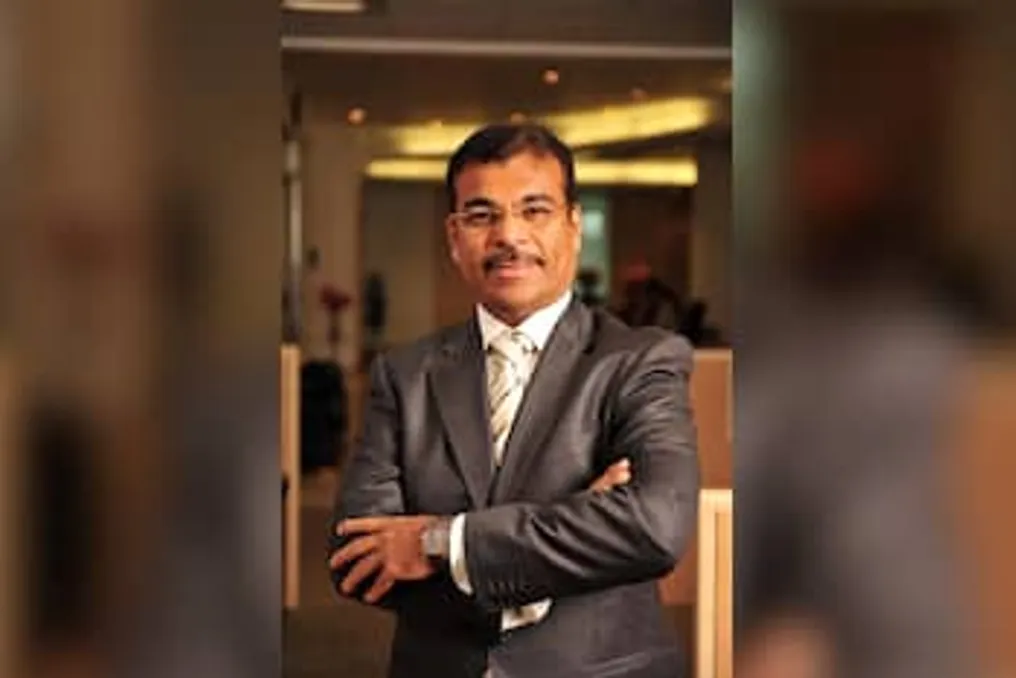
Shriram Finance plans to increase gold loan portfolio to 20,000 crore rupees and bets on the growth of the electric vehicle market
Read more
Business Standard
business-standard.com

Shriram Finance plans to increase gold loan portfolio to 20,000 crore rupees and bets on the growth of the electric vehicle market

Shriram Finance, one of India's largest retail non-banking financial companies (NBFCs), aims to grow its gold loan portfolio to approximately 20,000 crore rupees over the next two years. Concurrently, the company is actively developing its electric vehicle (EV) financing segment and exploring partnership opportunities with Japanese automakers.

Wash Revankar, Executive Vice Chairman of Shriram Finance, told Business Standard that gold loans currently constitute about 2.5 percent of the company's total lending portfolio. The goal is to increase this share to 5 percent of Assets Under Management (AUM) within the next two years.

Revankar noted that the book is growing at approximately 30 percent year-on-year and emphasized that the target portfolio size of around 5 percent or 20,000 crore rupees should be achieved in two years. Regarding the EV financing business, monthly disbursements have risen to approximately 350 crore rupees, up from 30–40 crore rupees at the initial stage of lending in this segment. He forecasts that this figure will soon reach 5,000 crore rupees.

Vehicle financing accounts for about 75 percent of Shriram Finance's total AUM. Furthermore, the company is considering entering into agreements with online retailers and other major electric vehicle buyers.

According to Revankar, the EV sector is showing good results as consumers are increasingly willing to switch to electric two-, three-, and four-wheeled vehicles. He attributed this to batteries having an eight-year warranty period and the decreasing cost of replacement, leading to overall positive changes.

In April 2026, MUFG Bank, a subsidiary of Japan's Mitsubishi UFJ Financial Group, completed an investment of nearly $4.4 billion to acquire a 20 percent stake in Shriram Finance. However, Revankar clarified that there were no discussions about increasing MUFG's stake. Nevertheless, this partnership is expected to help the company establish contacts with Japanese corporations such as Suzuki, Toyota, Honda, and Yamaha, with whom MUFG already has business relationships.

Shriram Finance reported a 59 percent rise in consolidated net profit, reaching 3,684 crore rupees in the second quarter of FY27, compared to 2,314 crore rupees in the same quarter of FY26. Revankar linked this success to improved economic activity and higher demand following Goods and Services Tax reforms.

Total AUM increased by 17 percent year-on-year, reaching 3.29 trillion rupees as of September 30, compared to 2.81 trillion rupees the previous year. By the end of Q1 FY27, AUM stood at 3.14 trillion rupees.

He also noted that vehicle sales grew by approximately 15–25 percent across all segments, including two-wheelers, cars, trucks, and tractors. Demand for construction equipment also rose for the first time in a year. Revankar expressed confidence that demand will remain high due to the festive season in October and November.

Despite GDP growth of 7 percent being a positive sign for the economy, rising raw material prices and general inflation forced original equipment manufacturers to increase vehicle prices. Revankar suggested that demand might not grow as fast as in the previous year, but he believes that even single-digit growth on a higher base is favorable for the company.
Similar stories

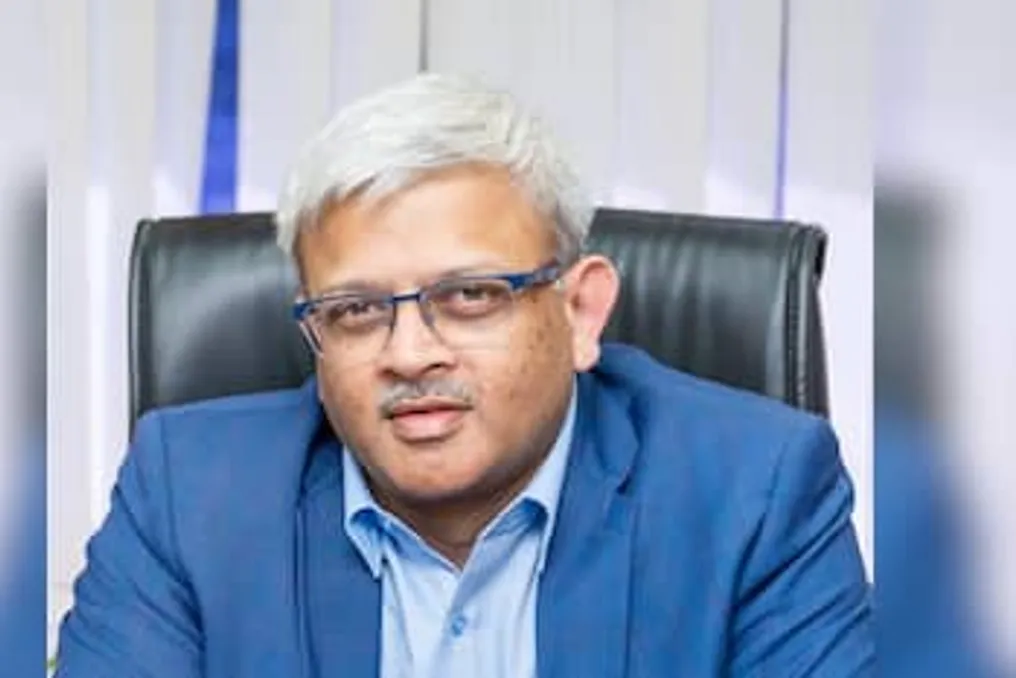
South Indian Bank plans 16% lending growth in FY2027 amid Middle East war risks
Read more
business-standard.com

South Indian Bank plans 16% lending growth in FY2027 amid Middle East war risks

The private lender South Indian Bank aims to achieve a lending growth of 15–16 percent in the 2027 fiscal year. This growth will be driven by loans in the retail, agricultural, and MSME (RAM) segments, according to a senior official on Friday.

The RAM segments, which constitute 61 percent of the bank's total loan portfolio, are targeted for a higher growth rate—17–18 percent. Mahesh Muralidhar Pai, Managing Director and CEO of South Indian Bank, told PTI that the holiday season growth strategy is focused specifically on the RAM segment, particularly retail lending and gold loans. He expects the overall loan volume of South Indian Bank to increase by approximately 15–16 percent, with the RAM segment growing slightly faster, around 17–18 percent.

In the last quarter from July to September, the bank's gross loans grew by 18.67 percent year-on-year, reaching INR 109,517 crore, compared to INR 92,286 crore the previous year. Pai noted that this forecast is 'cautious' because the ongoing conflict in the Middle East poses a key risk.

He warned PTI that if the war continues and oil prices remain high, India could face significant economic difficulties, including rising inflation and deteriorating asset quality. Furthermore, Pai added that although the Indian banking sector currently has historically low Non-Performing Assets (NPA) and asset quality has significantly improved, this might be a cyclical trend that may not continue indefinitely.

Regarding priorities, the new MD and CEO of the bank indicated that the lender will focus on strengthening the share of low-interest current and savings account deposits, as well as NRI and retail fixed deposits. The bank also plans to shift its lending focus from corporate loans to the retail, agricultural, and MSME (RAM) segments. He emphasized that gold loans, which account for about 25 percent of the bank's portfolio, will remain an important growth area as the lender seeks to expand its presence in this field.

Earlier, on Thursday, the lender reported a 21 percent year-on-year rise in net profit to INR 426 crore for the second quarter of the 2026–27 fiscal year. This growth was attributed to increased margins and improved asset quality. Concerning FCNR (B) deposits, Pai stated that the bank attracted approximately USD 230 million under this scheme. He clarified that since the bank has no foreign branches, its influence on these USD 230 million is nominal, and most of the funds were raised directly from customers without using leverage.

Pai forecasts that the Reserve Bank of India will conduct two to three more Open Market Operations (OMO) rounds to absorb excess liquidity from the banking system, and he also sees potential for two additional interest rate hikes of 25 basis points each during the current fiscal year.

Popular