The South African economy faces a mixed picture due to rising energy prices, climate shocks, and increased demand for industrial metals amid global turbulence.
Pressure on inflation due to energy and food costs
Economist Simon Lacum of Coface warns that geopolitical tensions, reduced energy supplies, and changing weather conditions are putting pressure on businesses. However, growing demand for metals linked to the energy transition could open opportunities for parts of the mining sector.
Lacum noted that global commodity markets have entered a period of renewed volatility, observing an overall rise in prices for energy, agricultural goods, and industrial metals.
These changes directly impact South Africa, affecting inflation, export revenues, business operating costs, and economic growth prospects.
Pressure on inflation due to energy and food costs
Despite Finance Minister Enoch Godongwana's announcement of fuel price reductions under the Medium-Term Budget Policy on Wednesday, South Africa's strong reliance on imported crude oil and petroleum products makes the country vulnerable to rising international energy prices.
Lacum explained that the escalation in the Middle East and concerns over supply disruptions contributed to higher oil prices, while tighter global energy markets supported high fuel costs.
A continuous rise in energy prices typically leads to increased transportation and logistics costs, which intensifies inflationary pressure across the economy. Higher fuel bills can also reduce household purchasing power, and businesses already facing operational difficulties experience additional pressure on their costs.
According to Lacum, commodity prices affect numerous aspects—from inflation and food costs to export revenues, business operating expenses, and growth prospects.
Agricultural markets are experiencing similar uncertainty. Declining global harvests and weather problems have led to rising prices for wheat, maize, and sugar due to tightening supply conditions.
This forecast is particularly relevant for South Africa and the wider Southern African region, where projections indicate an increasing likelihood of El Niño-related weather disturbances in the upcoming agricultural season.
The analysis warns: "Reduced rainfall and rising temperatures may affect crop production, livestock, and water availability."
If agricultural output weakens simultaneously in several key producing regions, the consequences could extend beyond farming communities. Rising food prices will directly affect consumers and may intensify inflationary pressure.
Food inflation is particularly significant in developing economies like South Africa, where food constitutes a large portion of household budgets. Sustained increases in staple food prices can reduce disposable income and negatively impact consumer spending.
Positive aspects for the mining sector
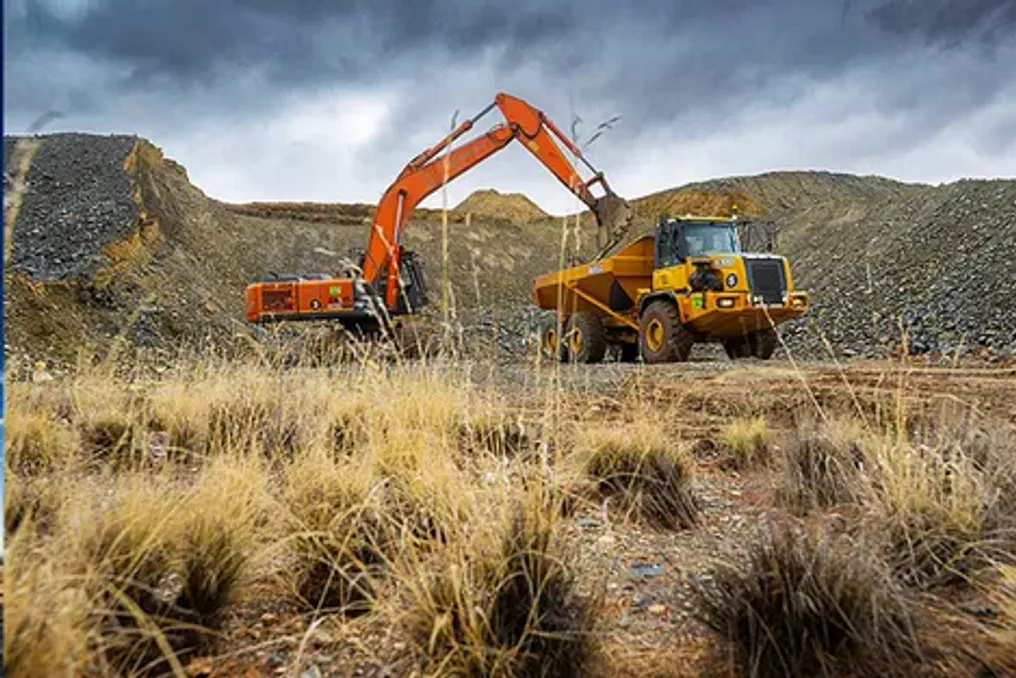
Not all trends are negative. Higher prices for industrial metals, particularly copper, which recently reached record levels, could support the South African mining sector.
According to Lacum, the demand driven by electrification, renewable energy infrastructure, data centers, and broader energy transition projects underlies the prices of several industrial metals.
As one of the world's leading producers of several strategic minerals, South Africa is well-positioned to benefit from the growing global demand for metals needed for the transition to low-carbon energy systems.
The mining sector remains a vital source of export earnings, employment, and investment. Consequently, strengthening commodity prices can support activity in specific industries, although the benefit will depend on the minerals produced and prevailing market conditions.
Businesses face more complex risks
Lacum emphasized that the current commodity rally has demonstrated how closely interconnected economic risks are. Geopolitical tension affects energy markets, climate disruptions impact agriculture, and long-term trends such as electrification and digital infrastructure development support demand for industrial metals.
All these factors are transforming commodity markets and influencing economic conditions far beyond the countries where disruptions occur.
For South African businesses, commodity price fluctuations will continue to influence inflation, supply chains, operating costs, and investment decisions across the agricultural, mining, manufacturing, and transport sectors.
Lacum concluded: "While higher prices can create opportunities for exporters and raw material producers, they also introduce additional uncertainty into an already complex operating environment."
He added that companies actively monitoring commodity markets and climate risks will be better prepared to navigate the changing economic landscape.