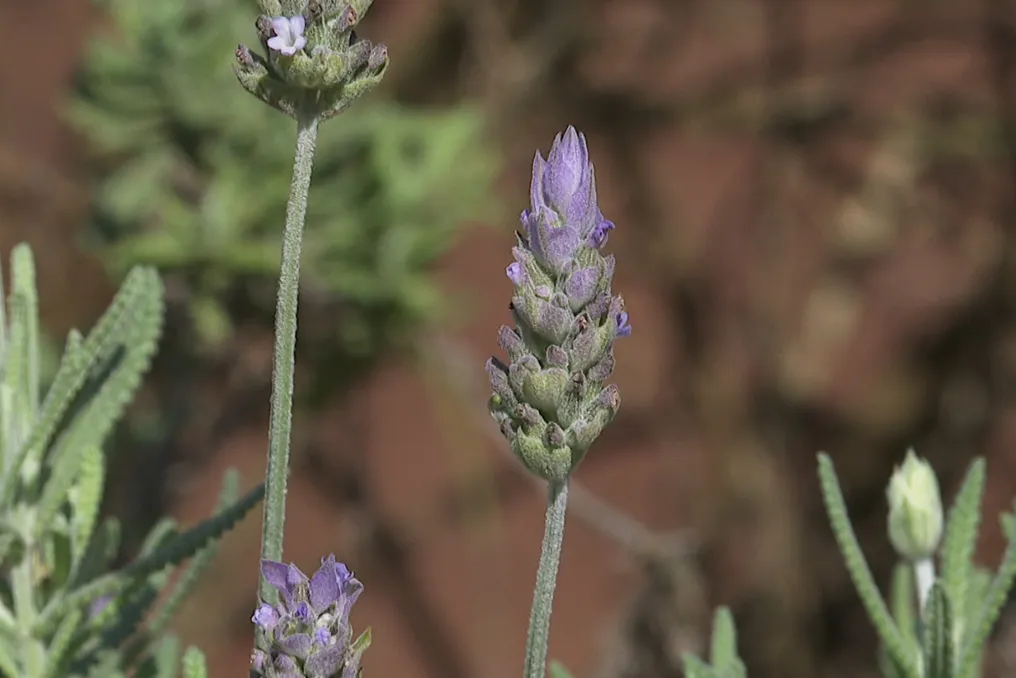
A family located in Santa Cruz da Esperança, São Paulo, has converted part of its rural property, which was previously used for sugarcane cultivation, to establish a plantation of medicinal and aromatic herbs. Currently, the 1.5-hectare area hosts various species, including basil, rosemary, melaleuca, and lavender.
The entire production process, from cultivation to harvest, is carried out manually. This transition was motivated by the desire to adopt a less traditional culture that could integrate the knowledge of the father, an agricultural engineer, and the children.
The rural producer Pedro Sgobbi, who conceived the venture, reported that the idea arose approximately three years ago, initially as a test to check the plants' adaptability to the local climate. He mentioned: 'We started dreaming about this idea of planting lavender, planting basil, and melaleuca three years ago. So we have these little seeds, and then we started planting these seedlings to see if they really adapted to our climate.'
After obtaining positive initial results, the family intensified the project, investing in courses and specializations, which led to an increase in crop diversity, now producing 14 types of aromatic herbs, according to Sgobbi.
From this agricultural production, the family established a company dedicated to transforming the harvested plants into essential oils and hydrosols, also known as aromatic waters.
Climate Adaptation
Sgobbi explained that the typical heat of the Ribeirão Preto region presented a significant challenge for the family. Because some species did not withstand the climatic conditions, tests and adjustments were necessary in plant selection.
He detailed that they tried to cultivate *lavandula angustifolia*, but had to discontinue the cultivation of this variety due to adaptation difficulties. Later, they tested *lavandula dentata*, which is considered a more resistant species and is known as Brazilian lavender because it tolerates local conditions. In addition to choosing more robust species, the property was equipped with screens to reduce direct sun exposure and soften the temperature, creating an environment more conducive to plant development.
From Cultivation to Oil Production
About a year ago, the family began transforming the herb production into marketable items. This process maintains a manual character in all phases, from cutting the plants to preparation for extraction.
After harvesting, the herbs are transported to the distillery, where they undergo the extraction process for both essential oils and hydrosols, or aromatic waters. Subsequently, the products are packaged in bottles for later sale.
Pharmacist Heloísa Helena Sampaio emphasized the importance of understanding the extraction method to assess the quality and characteristics of essential oils. She stated: 'Knowing how it is extracted, the work involved, and the amount, for example, of input you need to extract an oil, this is very important; it also implies the quality of the oil.'
Essential oils contain the aromatic compounds of the plants and can be applied in various areas. However, the pharmacist warned about the need to seek professional advice for therapeutic purposes. She added: 'It can be added to any type of therapy; if you have high blood pressure, if you have insomnia, then it brings general well-being to people, and you have to know a little, go through an aromatherapy therapist, so that they can indicate the best treatment so that your health becomes more balanced, and it is also part of a routine.'