American spirits producer Brown-Forman aims to make India one of the top ten markets for its portfolio of scotch whiskies within the next five years. This ambition is based on growing consumer interest in premium beverages and favorable conditions created by the free trade agreement between India and the United Kingdom, a senior executive at the company reported.
Brown-Forman, known for iconic brands such as Jack Daniel's and Woodford Reserve, sees significant potential in the Indian scotch market, which is the largest in the world by sales volume. This growth is driven by increasing consumer premiumization, greater experimentation with international whisky styles, and a willingness to pay for high quality.
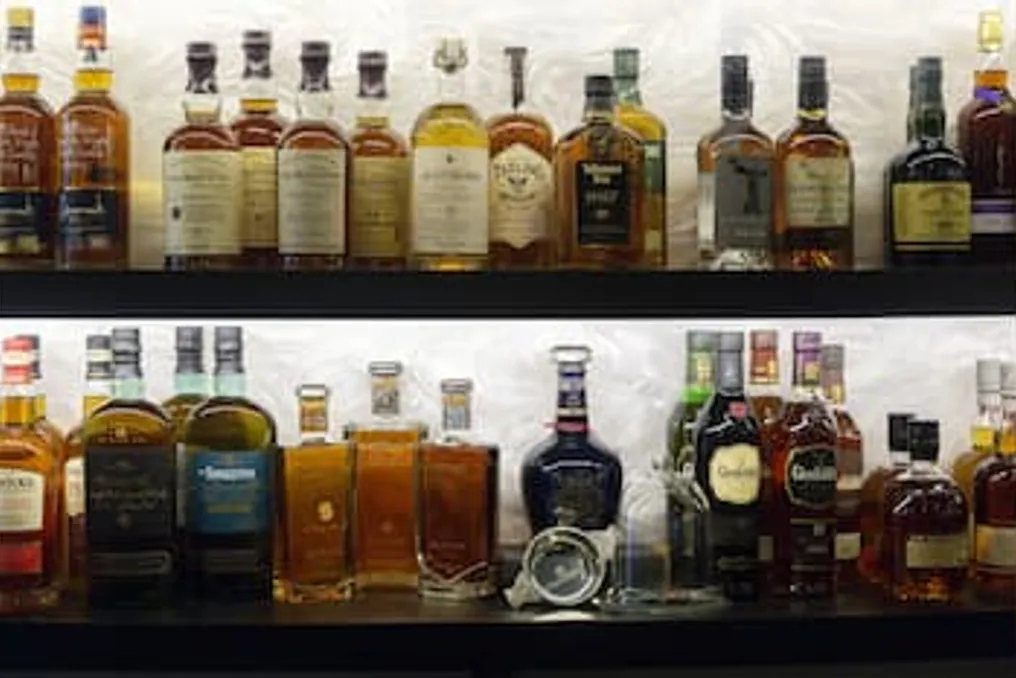
The Kentucky, USA-based firm began its presence in the Indian scotch market in May of this year, introducing its high-end single malt, The GlenDronach. The company further plans to introduce Benriach, followed by Glenglassaugh, gradually expanding its presence in the country, noted Adip Agarwal, Global Vice President of Malt and Irish Whiskey at Brown-Forman.
Agarwal told PTI in an interview: 'I would like this market to ideally become one of the top ten markets for my portfolio within the next five years, given the scale of opportunity we see here.' He added that in the long term, India will be a 'critically important part of the scotch strategy' for Brown-Forman. The company entered the scotch segment in 2016 after acquiring The BenRiach Distillery Company and adding the single malt brands The GlenDronach, Benriach, and Glenglassaugh to its portfolio.
Furthermore, Agarwal stated that in addition to scotch, the company intends to introduce its Irish whiskey offerings as part of a broader portfolio expansion strategy. The free trade agreement between India and the UK, which came into effect on July 15, 2026, should stimulate scotch whisky sales by reducing import duties from 150 percent to 75 percent, with subsequent phased reductions to 40 percent over the next decade.
This agreement has already improved the price competitiveness of imported scotch in India. Reports indicate that competing companies, such as Diageo and Pernod Ricard, have reduced prices on some brands by approximately 10–15 percent in four states.
Agarwal expects the trend toward premiumization in India to continue, driven not only by rising prices but also by consumers' desire to pay more for higher quality and uniquely crafted products. He emphasized that consumers are premiumizing in two ways: they are willing to spend more for better quality, and they are increasingly able to recognize value through knowledge.
Brown-Forman believes this shift will support demand for premium single malts, but the company does not plan to compete in the mass-market scotch segment. 'We will not rush; we believe in what is inside the bottle,' he said, adding that the company hopes to capture market growth rather than just take share from existing players.
In addition to scotch, Brown-Forman intends to gradually expand its overall spirits portfolio in India, including gin, tequila, and Irish whiskey, as part of its market focus. Agarwal noted that although Jack Daniel's has been present in the market for a long time, there has been a strategic shift, and the company will now focus on the market by introducing more portfolio options, as it believes in the long-term prospects of this market for Brown-Forman.
The company will introduce brands in phases, based on market opportunities and consumer demand. 'The right time will come to introduce the necessary brands to the market. That is why we started with the American portfolio. Now you see scotch,' he concluded, noting the goal of building a strong premium spirits portfolio in India in the long run.
According to the Scotch Whisky Association (SWA), in 2025, India was the world's largest scotch whisky export market by volume, exporting over 220 million bottles. Shipments to India have grown by more than 200 percent over the last decade, demonstrating the scale of opportunity for scotch producers in the country.