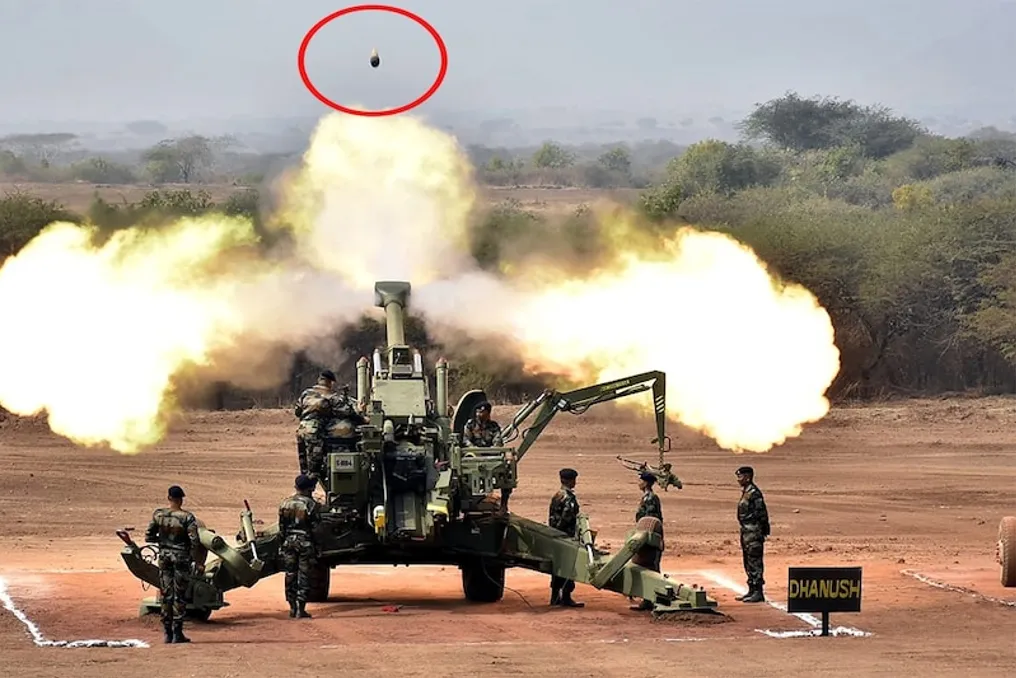
India is actively developing its defense export sector and now ranks third among countries exporting weapons to Europe. In the last fiscal year, India exported defense goods worth 38,424 crore rupees. This success is largely due to growing demand from European countries.
After Russia's invasion of Ukraine began in 2022, European states started increasing their military potential. There was an urgent need for ammunition, artillery, and explosives. India seized this opportunity by starting supplies of large batches of shells, mortars, and explosives to European buyers, leading to an increase in supplies of over 1600 percent.
The European Union decided to strengthen its security system. Many European countries faced depletion of old stocks, and new production required time. Under these conditions, a country like India demonstrated a high capacity for rapid delivery. India's defense industry production capacities were increased under the 'Make in India' program. State and private companies jointly produce artillery systems and ammunition.
Defence Minister Rajnath Singh recently stated that more joint ventures will be created in the future. This will allow for technology exchange and increased production. Today, India exports not only small-caliber weapons but also artillery systems, missile complexes, and other defense equipment. These goods go to more than 80 countries. Besides Europe, demand for Indian products is growing in Africa, Southeast Asia, and Latin America. This shift is changing India's image from an importer to an exporter of arms.
The 'Make in India' campaign has led to significant changes in the defense sector. Previously, India mainly purchased weapons from abroad, but now domestic companies are capable of producing modern weaponry. Many private enterprises have also invested in this area, which has contributed to job growth and foreign currency inflow. Demand from Europe provided Indian companies with large orders, improving their production capabilities.
Nevertheless, there are challenges. It is necessary to maintain quality standards, meet delivery deadlines, and counter international competition. To strengthen its position against traditional global arms exporters such as the USA, Russia, and France, India will have to make additional efforts. Experts believe that if India continues to focus on joint ventures and adopting new technologies, its exports could increase significantly in the coming years.
This overall progress clearly shows that geopolitical tension has opened up new opportunities for India. The war in Ukraine increased Europe's need for weaponry, and India effectively utilized its potential. Now, India is moving towards becoming a global player in the defense goods export sector. This achievement has important strategic, not just economic, significance.