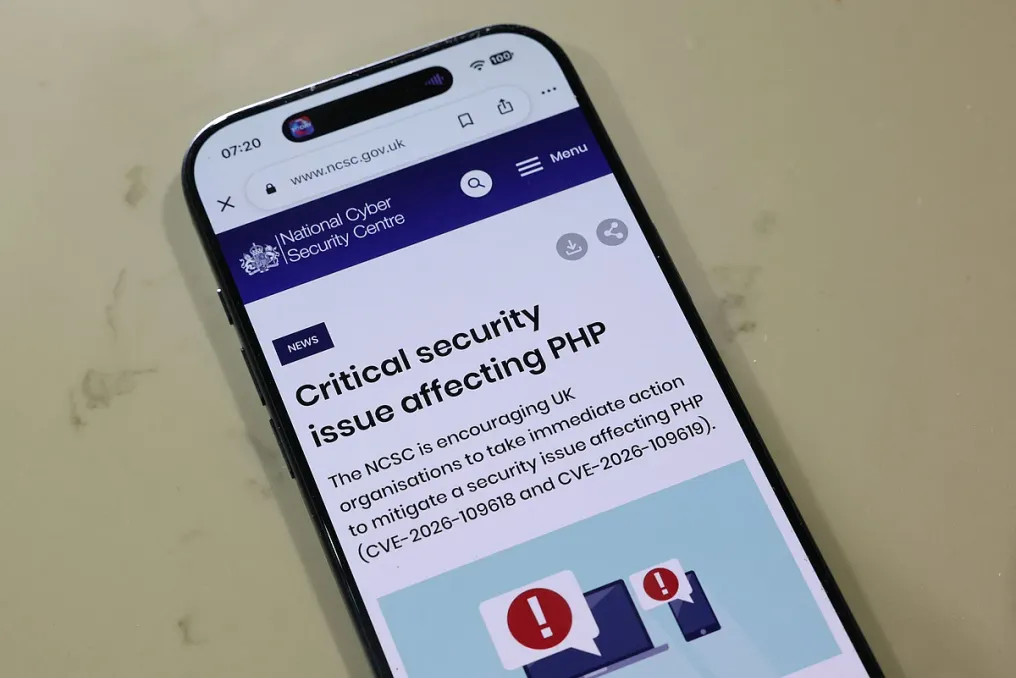
Companies and hosting providers in the United Arab Emirates (UAE) are actively working to close a recently discovered set of PHP vulnerabilities known as PHP2Shell. As part of their response measures, they are deploying patched PHP packages, updating shared hosting environments, and advising clients to check their runtime versions and restart web services, according to cybersecurity experts.
Pushkar Singh, Regional Head for the Middle East and Africa at Protectt.ai, noted that this reaction demonstrates that the UAE is at the forefront of proactive threat response and digital resilience. He emphasized that cybersecurity should be viewed not as a one-time compliance exercise, but as a continuous operational activity involving timely vulnerability remediation, runtime protection, and threat analysis backed by a coordinated response.
According to Censys data, 4,691 internet-accessible hosts in the UAE are potentially exposed to these vulnerabilities, accounting for 79.5 percent of all hosts with version information in the country. Based on observations, the UAE ranks 71st out of 233 countries and territories. Singh added that some estimates suggest that three out of four websites use PHP, implying that most corporate websites in the UAE are affected.
The severity of the impact on each site depends on its patching status, whether the application is internal or external, and how PHP is being used. This UAE response followed urgent warnings received from abroad.
The U.S. National Security Agency strongly recommended organizations take sites offline if they cannot immediately remediate the two vulnerabilities, as they often grant attackers direct access to the server's file system or database. The Tenable research team classified these vulnerabilities as 'Vulnerability of Concern'—the highest level within the Vulnerability Watch program.
Satnam Narang, Senior Research Engineer at Tenable, explained that such a classification is reserved only for the most critical flaws, given the widespread use of PHP. He reported that nearly 70 percent of websites with known server languages use PHP. Narang specified that the vulnerabilities reside directly within PHP itself, jeopardizing every installation processing web requests. When exploited, they can allow unauthenticated remote code execution, and one of them is also capable of memory leakage.