Circular Economy Opens New Opportunities for Cooperation Between Uzbekistan and China
Read more
UzDaily
uzdaily.uz

Circular Economy Opens New Opportunities for Cooperation Between Uzbekistan and China

The development of the circular economy presents new prospects for technological interaction between Uzbekistan, China, and other Central Asian countries, according to Bakhtiyor Mustafayev, Deputy Director of the Institute of Strategic and Regional Studies under the President of Uzbekistan (ISRS).

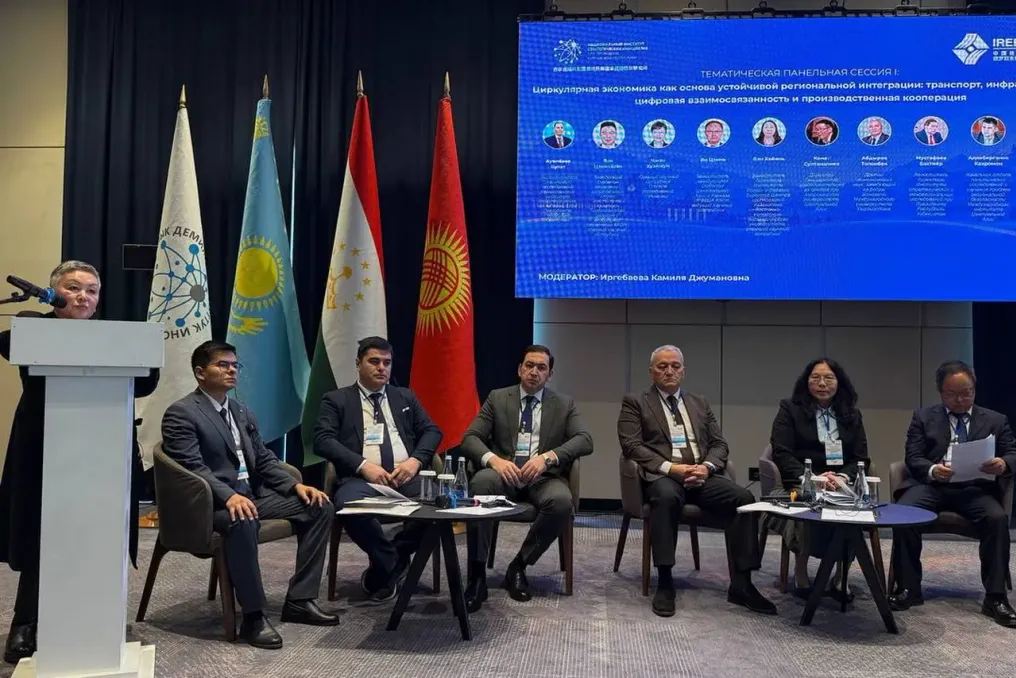
Mustafayev presented these opportunities at the Sixth Forum of Think Tanks of China and Central Asia, which took place in Bishkek on October 22–23, 2026, under the theme 'High-Quality Development and Joint Modernization.' The event was organized by the Institute of Russia, Eastern Europe and Central Asia of the Chinese Academy of Social Sciences and the National Institute of Strategic Initiatives under the President of Kyrgyzstan. Representatives from leading research centers in China and five Central Asian countries participated in the forum.

The delegation from Uzbekistan included experts from ISRS, the Academy of Public Policy and Administration under the President of Uzbekistan, and the International Institute of Central Asia. Participants discussed prospects for joint modernization, transport and digital connectivity, deepening industrial cooperation, and the implementation of artificial intelligence. Furthermore, they addressed issues of human capital development and expanding humanitarian cooperation.

Speaking at a panel discussion on the circular economy, Mustafayev emphasized the potential for cooperation between Central Asia and China in waste recycling and resource reuse. He noted that creating joint recycling facilities could add extra value and create new jobs in the region.

He stressed that Uzbekistan is already taking steps to strengthen partnership in this area: a specialized body has been established, private sector participation in waste management is growing, and a portfolio of projects for building 11 waste-to-energy plants is being developed. Chinese technology companies are key partners in these projects.

Addressing the broader regional context, Mustafayev reported that Central Asia produces about 25 million tons of municipal solid waste annually. However, the relatively small size of national markets makes it difficult for each country to establish a complete recycling cycle for all types of complex waste.

He highlighted cross-border value chains as a promising solution. According to this approach, the collection and primary processing of recyclable materials in Central Asian countries can be supplemented by advanced processing at specialized technological centers.

According to Mustafayev, combining the resource base of Central Asia with the technologies and experience of China can promote such cooperation.

He identified three priority areas for advancing this initiative. The first is increasing the export of standardized secondary raw materials from Central Asia to China. Mustafayev specified that this refers to processed materials that meet Chinese requirements. The growing use of electric vehicles, batteries, and digital equipment in the region makes the development of recycling capacities and the establishment of reliable sales channels for recovered materials critically important.

The second priority is the creation of joint enterprises for the recycling and processing of renewable energy equipment. Mustafayev noted that the rapid expansion of solar and wind energy production requires advance preparation for the disposal and recycling of equipment at the end of its service life. Cooperation with Chinese partners can help recover silicon, silver, and polymers from decommissioned solar panels for further use in production.

The third priority is the development of joint educational programs to train specialists in the field of circular economy. He mentioned that a potential partner for Uzbekistan could be the 'Green University,' the Central Asian University of Environment and Climate Change, which offers a specialized master's program in this field. Mustafayev emphasized that training qualified personnel will help provide necessary staff for new facilities and lay the foundation for long-term cooperation in this sector.
Similar stories

Iran and Kyrgyzstan aim to expand cooperation in science and technology
Read more
www.tehrantimes.com

Iran and Kyrgyzstan aim to expand cooperation in science and technology

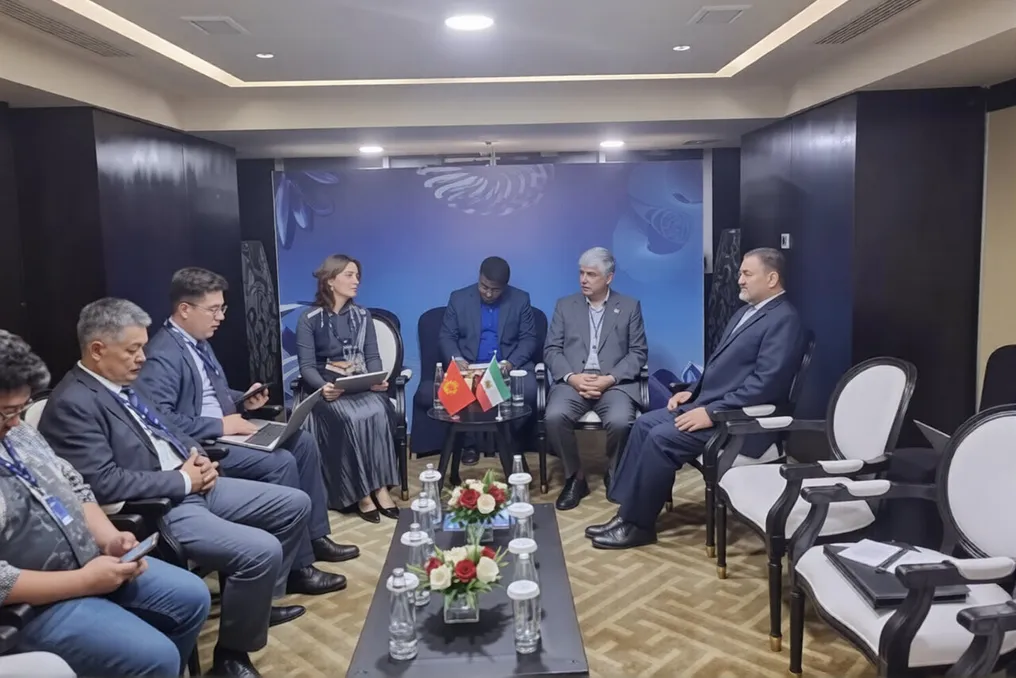
At a meeting held on the sidelines of the 5th World Conference on Creative Economy in Jakarta, official representatives of Iran and Kyrgyzstan called for deepening interaction in the field of science and technology.

The meeting gathered delegates from the Vice Presidency of Iran for Science, Technology, and Economy, as well as a group of high-ranking officials from Kyrgyzstan, including representatives from the ministries of economy and finance, and heads of creative industry parks.

Emphasizing both countries' membership in BRICS, the Iranian side stated its readiness for knowledge-based Iranian companies to export their products to Kyrgyzstan. For its part, the Kyrgyz delegation highly appreciated Iran's significant technological progress and advocated for strengthening bilateral partnership in this area.

In April, Iran's Minister of Science, Research, and Technology, Hossein Simai-Sarraf, and Kyrgyzstan's Minister of Science, Higher Education, and Innovation, Gulzat Isamatova, studied opportunities to activate scientific and technological ties between the two states.

A Kyrgyz official invited the Iranian minister to visit universities and scientific centers in Kyrgyzstan and participate in upcoming scientific conferences, according to the IRNA agency. Simai-Sarraf welcomed the idea of strengthening scientific collaborations and emphasized the need to utilize the potential of science and technology parks for experience exchange and strengthening innovation ecosystems, noting that such steps would form the basis for improving technological interaction between Iran and Kyrgyzstan.

The sides also discussed developing cultural contacts among students from both countries through educational centers where Persian and Kyrgyz language courses will be held.

In September 2024, the Minister of Information and Communications Technology (ICT), Sattar Hashemi, met with his Kyrgyz counterpart to discuss ways to develop cooperation in the ICT sector. This meeting took place on the sidelines of the Asia-Pacific Ministerial Conference on Digital Inclusivity and Transformation in Astana, Kazakhstan, according to the Mehr agency.

Kyrgyz Republic's Minister of Digital Development Nuria Kutnaeva expressed interest in defining joint projects and developing scientific cooperation, stressing the importance of cooperation in the ICT sphere alongside economic and cultural interaction.

During this meeting, the sides also approved cooperation in local platforms and postal matters and decided to prepare a draft memorandum of understanding on this issue.

Furthermore, in April 2025, Iran and Kyrgyzstan held the 14th meeting of their Joint Economic Committee in Tehran to expand bilateral ties in economic, scientific, cultural, and technical fields.

High-ranking officials from both countries attended this meeting, including Iran's Minister of Agriculture, Golamreza Nouri Ghezelj, and Kyrgyzstan's Minister of Economy and Trade, Sakyt Bakyt Tolomushevich. During the meeting, the importance of increasing trade and investment cooperation was emphasized.

At the opening ceremony, Nouri highlighted agriculture, industry, energy, and technology as key areas for joint work. He expressed hope that this event would lay the foundation for substantial growth in trade turnover between the two nations.

Sakyt supported these sentiments, noting the long-standing ties between Iran and Kyrgyzstan dating back to 1992, and stressed the importance of multilateral cooperation through organizations such as the Shanghai Cooperation Organisation and the Eurasian Economic Union.

Uzbekistan and China's Shanxi Province Seek to Deepen Business Cooperation
Read more
uzdaily.uz

Uzbekistan and China's Shanxi Province Seek to Deepen Business Cooperation

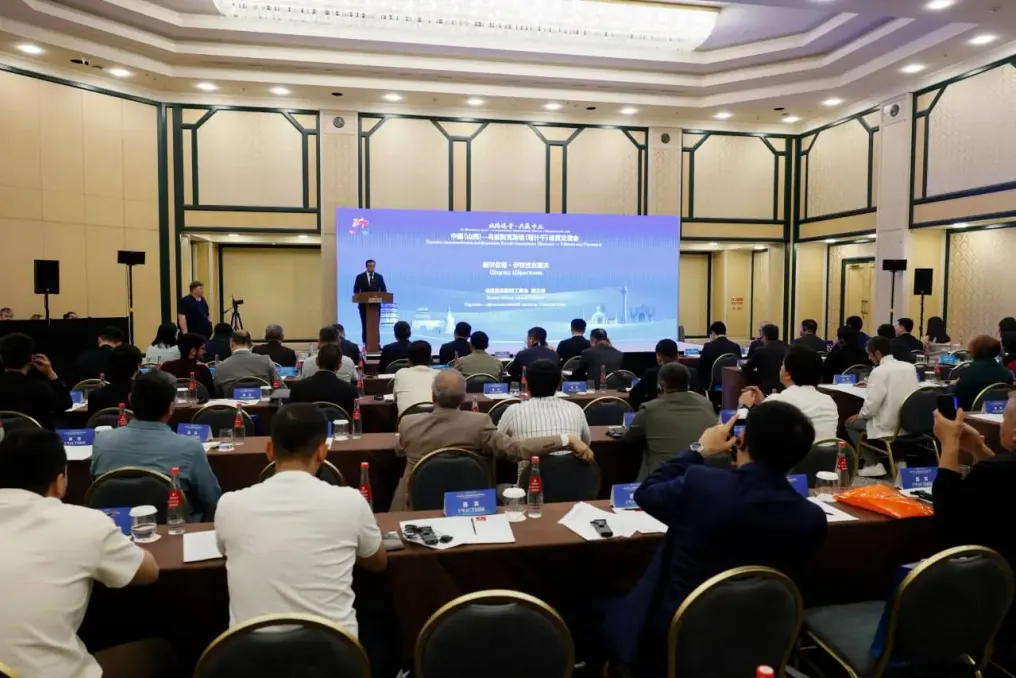
Uzbekistan and China's Shanxi Province are working to expand trade and economic interaction following a conference held in Tashkent on October 19. During the event, companies from both sides signed a number of agreements covering logistics, construction, energy, and technology sectors.

Conference Details

The conference brought together representatives from both sides. Participants included Sherzod Ibragimov, Deputy Chairman of the Chamber of Commerce and Industry of Uzbekistan, as well as a delegation from Shanxi led by Jiao Yufeng, Secretary of the Party Leading Group of the Shanxi Provincial Committee for Promoting International Trade.

Participants discussed opportunities to increase bilateral trade, attract investment, strengthen industrial partnership, and establish direct contacts between entrepreneurs from Uzbekistan and Shanxi.

Priority Areas of Cooperation

Priority areas for joint work were identified, including transport and logistics, traditional and renewable energy, energy equipment manufacturing, infrastructure construction, as well as the food and chemical industries.

Representatives from Shanxi demonstrated the potential of local companies and expressed interest in implementing joint projects in Uzbekistan, introducing modern technologies, and developing production.

The conference concluded with bilateral business-to-business (B2B) meetings, where entrepreneurs from Uzbekistan and Shanxi discussed promising projects and opportunities for mutually beneficial cooperation.

Uzbekistan and China Expand Cooperation in Artificial Intelligence
Read more
uzdaily.uz

Uzbekistan and China Expand Cooperation in Artificial Intelligence

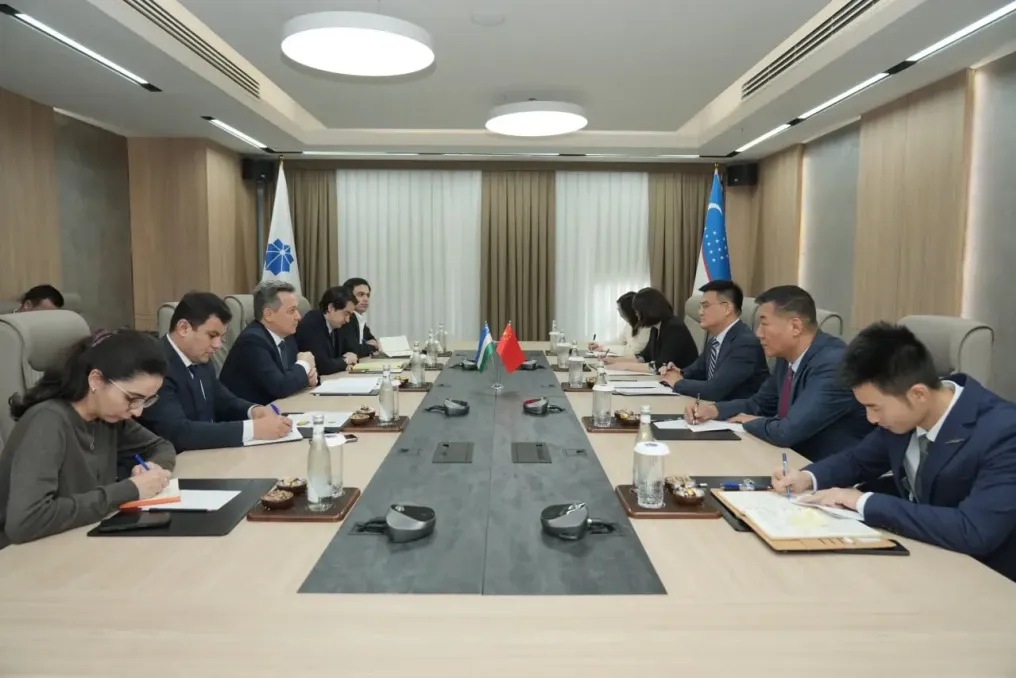
Uzbekistan and China discussed opportunities to deepen interaction in the field of artificial intelligence (AI), including the implementation of joint technological projects and the training of specialists in information technology.

The discussion took place during a bilateral meeting between the Minister of Digital Technologies of Uzbekistan, Sherzod Shermatov, and the Chinese Ambassador to Uzbekistan, Yu Jun.

One of the central issues was cooperation within the World Association for AI Cooperation (WAICO). The parties considered the possibility of increasing Uzbekistan's participation in the activities of this organization, utilizing available opportunities to launch joint initiatives and develop mutually beneficial partnerships.

Participants emphasized the importance of international cooperation in the development and implementation of information technologies, paying special attention to the prospects of joint work in data security.

In the field of education, it was planned to consider ways to establish ties with leading Chinese universities, as well as to improve curricula and textbooks on information technology in higher education institutions of Uzbekistan.

Furthermore, the sides discussed the potential for expanding cooperation between companies from both countries in the field of AI and attracting leading Chinese technology firms to operate in Uzbekistan. They exchanged views on the possibilities of strengthening Uzbekistan's position as a regional center for technological cooperation.

Popular