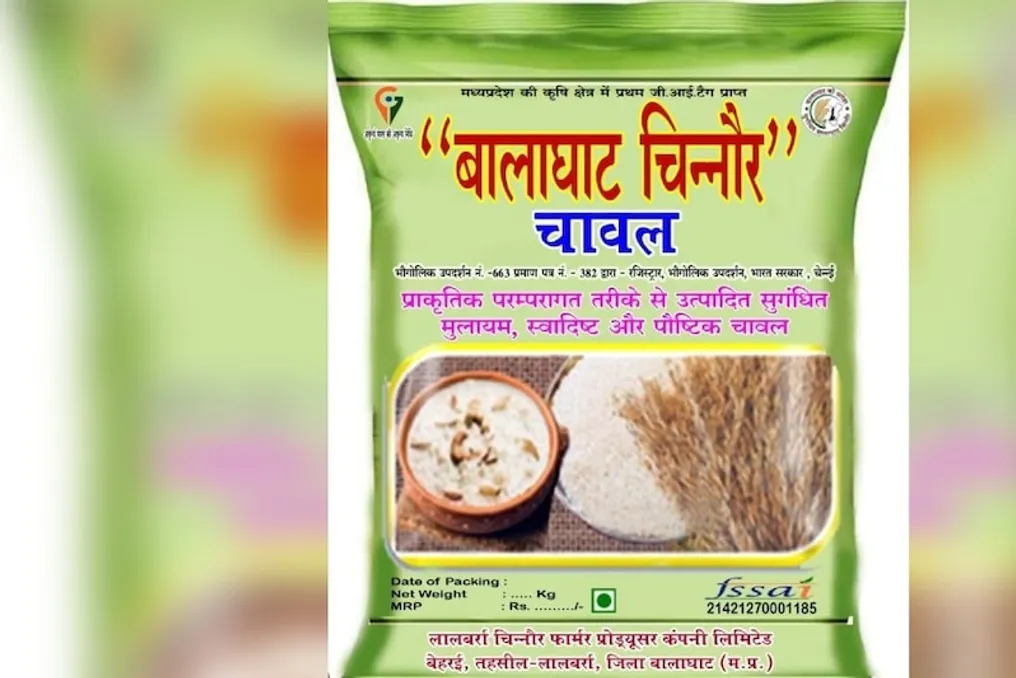
Chinnaur rice from Balaghat (Madhya Pradesh) presented at International Exhibition in New Delhi impressed foreign guests
Read more
Aaj Tak
www.aajtak.in

Chinnaur rice from Balaghat (Madhya Pradesh) presented at International Exhibition in New Delhi impressed foreign guests

The 'International Conference on Indian Rice 2026' (BIRC-2026) is taking place at the prestigious Bharat Mandapam venue in the country's capital, New Delhi, for three days. During this event, 'Balaghat Chinnaur' rice from the Balaghat district of Madhya Pradesh gained global recognition due to its unique aroma and high quality. This aromatic rice, selected under the 'One District - One Product' (ODOP) program, was showcased at a special promotional stall.

The international conference, running from October 23 to 25, is jointly supported by the Madhya Pradesh State Agricultural Marketing Board (Mandi Board) in Bhopal and the Agricultural and Processed Food Products Export Development Authority (APEDA). The goal of this global event is the large-scale promotion of traditional and organic Chinnaur rice from Balaghat, facilitating its entry into international markets.

The Balaghat district's representation on this global stage is carried out by Lalbarra Chinnor Farmer Producer Company Limited (FPO). FPO Chairman Ishupal Chauhan and Board Member Radhelal Patle held direct negotiations with rice exporters, major traders, and foreign buyers who visited the stall.

This business club provided local farmers with a valuable opportunity to connect with international buyers. This has generated strong hopes among Balaghat rice producers for achieving a higher economic value for their produce and direct access to the global market.

Chinnaur rice is known for its distinctive natural fragrance, soft grains after cooking, and unique sweet taste. In 2021, this rice was awarded a Geographical Indication (GI Tag). Because this rice is grown using traditional and organic methods, all visitors and foreign delegates attending Bharat Mandapam highly appreciated its medicinal and traditional significance.
Similar stories

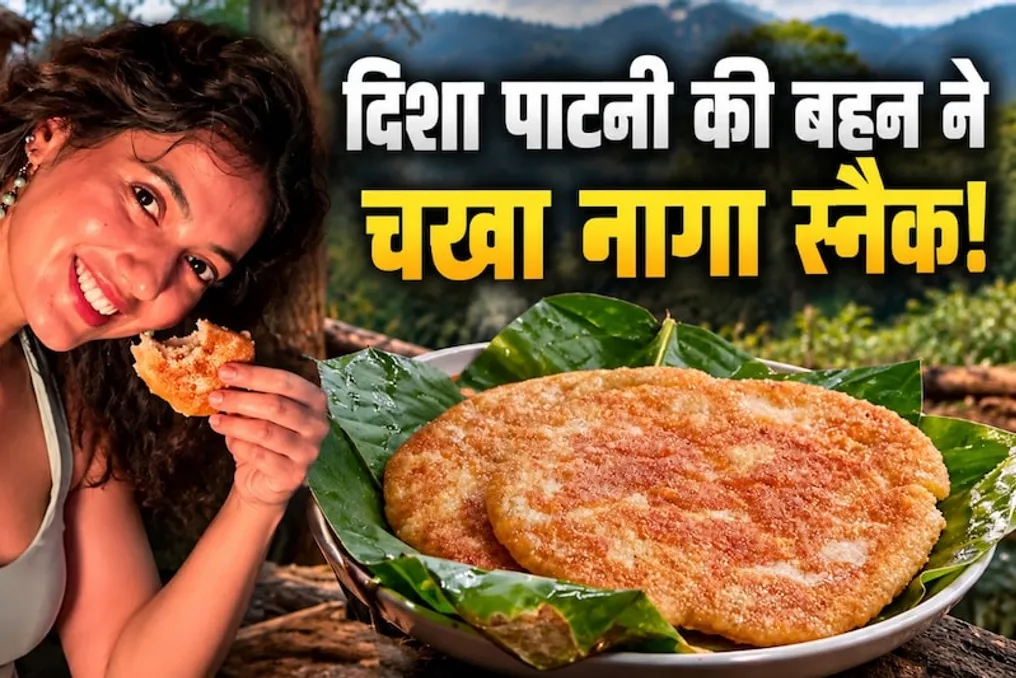
Nagaland Sticky Rice Roti Recipe: How to Make the Traditional Dish at Home
Read more
www.aajtak.in

Nagaland Sticky Rice Roti Recipe: How to Make the Traditional Dish at Home

The cuisine of Nagaland is known for its unique flavors and traditional cooking methods. Among the local snacks eaten with tea is sticky rice roti. Recently, actress Disha Patani, whose sister is Khashbu Patani, visited Nagaland during a vacation and toured the local market. There, she saw the process of making the famous sticky rice roti and tried it.

If you want to try something new instead of regular cookies or salty snacks with evening tea, you can make this traditional dish from Nagaland. It is made from sticky rice dough. Some prefer it crispy, while others like its soft, chewy texture. The good news is that it does not require many ingredients to prepare, and it is easy to make at home. With a slightly sweet taste, it is very popular with children. A simple way to prepare it is presented below.

Sticky Rice Roti Recipe:

Ingredients for Sticky Rice Roti

How to Make Sticky Rice Roti

Preparing the Dough Mixture

First, take rice flour in a large bowl. Add sugar, salt, and a pinch of baking soda, mixing all components thoroughly so that the roti tastes evenly throughout. It is important to ensure that all ingredients are well mixed into the dough.

Kneading the Dough

Now gradually add a little water and knead the dough, avoiding adding too much water at once. Knead the dough until it starts to hold together firmly. You should monitor that the dough is not too soft or sticky; it should be slightly firm so that the roti can be easily shaped.

Shaping the Roti

Divide the prepared dough into small balls. Then, shape each ball into a round form with your hands and press lightly to form a small roti. The thickness of the roti should be medium; too thin a roti may cause problems when rising.

Frying in Oil

Heat oil in a deep pan. When the oil is hot, carefully place one roti into it. Carefully flip it and fry until golden brown. If the roti starts to puff up, let it cook thoroughly on both sides. Repeat this process for the remaining rotis.

Serving with Tea

Place the finished sticky rice rotis on a plate. Serve them hot with tea or coffee. If you like crispy rotis, you can fry them until a deeper golden color. Those who prefer a soft and chewy texture can remove them before they become too crispy.

Something Special for Evening Tea

Nagaland sticky rice rotis are interesting for those who want to diversify their daily snack. This rice flour snack can be made from common ingredients.

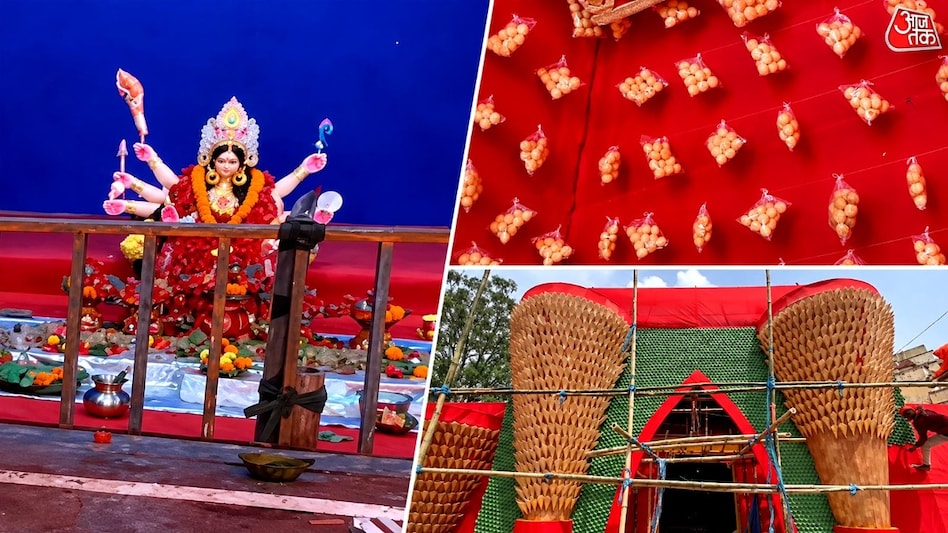
Durga Puja pandal in Ranchi to feature theme using golgappe and jhalmuri
Read more
www.aajtak.in

Durga Puja pandal in Ranchi to feature theme using golgappe and jhalmuri

Attractive pandals are created annually during the Durga Puja celebration in Ranchi. This year, the celebration committee decided to deviate from traditions and apply a new concept. The pavilion dedicated to worshipping Goddess Durga will be decorated with a theme of golgappe and jhalmuri, which promises to be a special spectacle for visitors. Special attention will be paid to the interior decoration of the pavilion, made from golgappe, which, according to organizers, is expected to attract public attention.

Organizers believe that golgappe and jhalmuri are not just food items; they are used to reflect life experiences. It is noted that life has both bitter and sweet moments, and the taste of golgappe evokes similar sensations. Meanwhile, jhalmuri is known for its spicy and tangy flavor. Thus, the pavilion's theme represents different facets of life through tastes.

According to Kundan Singh, an organizer of the committee, the meeting took place in Shukla Colony, Hinu. The discussion focused on what could be done in the pavilion after changing venues to make it a center of attraction for people. It was after this that the idea of decorating the pavilion with a golgappe and jhalmuri theme arose. Artisans from Bengal are also participating in the preparation and decoration.

Jhalmuri is a popular food item in Bengal, and it recently also garnered attention during the Bengal elections. In Ranchi, references to Bengali culture and traditions have always been displayed during Durga Puja. This time, an attempt was made to give this kinship a new resonance through the theme of jhalmuri and golgappe.

Committee member Shambu expresses hope that the pavilion will appeal to devotees this year. The golgappe and jhalmuri theme may interest people of all ages. The committee is confident that the unusual decoration will attract people not only for worshiping Goddess Durga but also to visit the pavilion itself. Ranchi is known for its grand events and beautiful pandals during Durga Puja. The new theme with golgappe and jhalmuri has generated heightened interest. Now it remains to see how much visitors will like this combination of taste and culture.

Popular