The year 1994 marked a turning point in South Africa's complex history, signifying the country's choice for social, economic, and political inclusion. Nelson Mandela felt deep moral gratitude towards African states that hosted freedom fighters against apartheid. However, this commitment to solidarity had to be coupled with equal care for protecting jobs and resources for the recently freed, poor Black majority of South Africa.
In his speech in June 1994, he stated: 'When the history of our struggle is written, it will tell a glorious story of African solidarity... Africa shed its blood... so that all its children could be free.'
Today, the right to live and study in South Africa is being questioned. The Refugee Act 130 of 1998 defines the rights and obligations of asylum seekers and refugees. Nevertheless, its implementation is extremely unsatisfactory due to administrative, procedural, and infrastructural limitations.
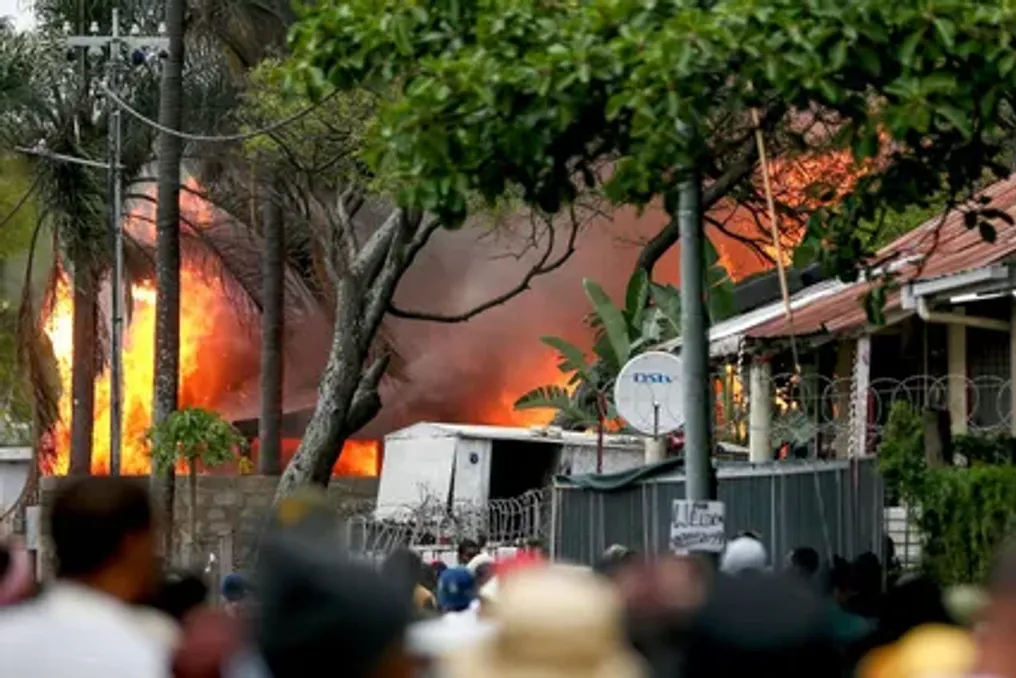
As a result, people are unjustly punished for irregular entry or missing transit deadlines. This directly violates the fundamental principle of non-refoulement, which the Constitutional Court recently affirmed. The Department of Internal Affairs was obliged to accept applications from anyone intending to seek asylum. Within days, the department was overwhelmed with applications, triggering violent protests by anti-immigrant groups in Durban and Soweto.
It deeply troubles a society that fought against racial discrimination but now watches children being turned away at school gates because of their foreign status. It must be clearly understood that the Constitution guarantees everyone the right to basic education, and this right is not limited to South African citizens. A child's right to education should not depend on the child's or their parents' citizenship; courts have repeatedly stated that lack of documentation cannot close school doors.
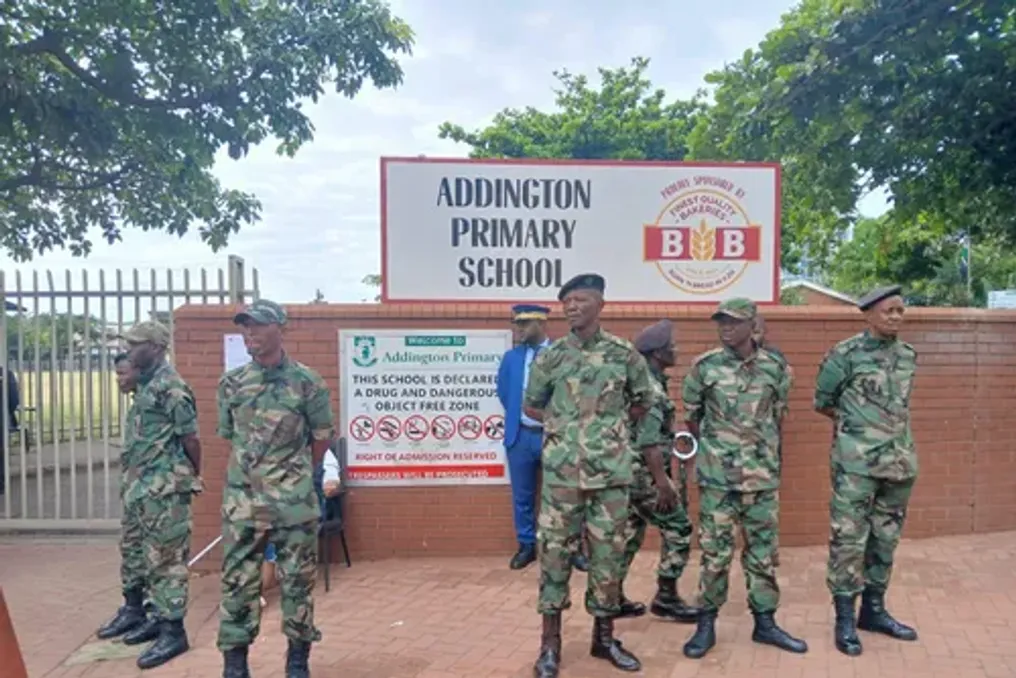
Protests related to the 'March and March' movement at Addington Primary School in Durban in January 2026 revealed more than just tension around school admission. They raised a fundamental question about the moral direction of South Africa's democracy: can a child's nationality be grounds to challenge their right to education?
Protesters claimed that foreign children were being given priority over South African students. The KwaZulu-Natal Department of Education refuted these allegations. Unfortunately, the sight of anti-immigrant mobilization near the primary school has already conveyed its unpleasant message: if you are a migrant child, you are not welcome here! For migrant families, even a routine trip to school can turn into a confrontation over whether they belong here.
Organically formed civil movements, such as 'March and March,' are important grassroots organizations in new democracies, especially when they raise socio-economic issues like unemployment, poverty, inequality, and government failure. However, they fall into a slippery slope when these issues transform into collective interventionist actions organized around citizenship, sovereignty, immigration law enforcement, and exclusivist nationalism.
Therefore, they must bear full responsibility for divisive and provocative messaging and incitement, especially in light of human rights organizations' warnings about violations of fundamental human rights. Perhaps a more serious issue is that political parties benefiting from this movement may opportunistically use it to achieve their own goals and create chaos before the November elections.
It is regrettable that political grievances against the ruling party's failure to ensure the dignity of the poor in the country, combined with dissatisfaction with the Department of Education, have become triggers for unacceptable xenophobic violence. South African parents have the right to expect functioning schools and fair admission processes. However, it is wrong to blame high unemployment, poverty, deteriorating infrastructure, and inadequate public services on migrants. It is worrying that civic grievances are manifesting as open hostility towards migrant children.
Against the backdrop of political rhetoric, administrative disputes, and competing demands for immigration, the plight of migrant children is noticeably absent from the discussion. These children did not determine the circumstances of their migration. They did not negotiate immigration policies, choose the conditions of their movement, or create the administrative systems that now define their legal status. Yet, they suffer the consequences when immigration uncertainty disrupts their education.
When migrant children become scapegoats and targets of public outrage, responsibility shifts from rulers to those with the least political power. Simply put, parents and children from Zimbabwe and Malawi did not create the overcrowded classrooms and dysfunctional educational and internal affairs administrative systems of South Africa.
Consider the experience of a child who sees adults protesting outside their school, questioning whether children of their nationality should be admitted. What does this child understand about their place in South African society? It matters for their return to class, knowing that their presence has become a public scandal. Education depends on safety, confidence, relationships, and a sense of belonging. Children experiencing hostility because of their nationality may learn a completely different lesson than what their teachers plan to teach them: that their humanity is conditional.
It is necessary to consider the difference between being allowed to attend school and being genuinely accepted into its community. Awarding South African human rights lawyer Navi Pillay the Nobel Peace Prize in 2026 is an exceptional moment of national pride, but also an uncomfortable moral reassessment amid the current immigration crisis. Pillay's Nobel Prize should prompt serious reflection on the gap between South Africa's international reputation as a defender of human rights and the daily experience of vulnerable people at its borders.