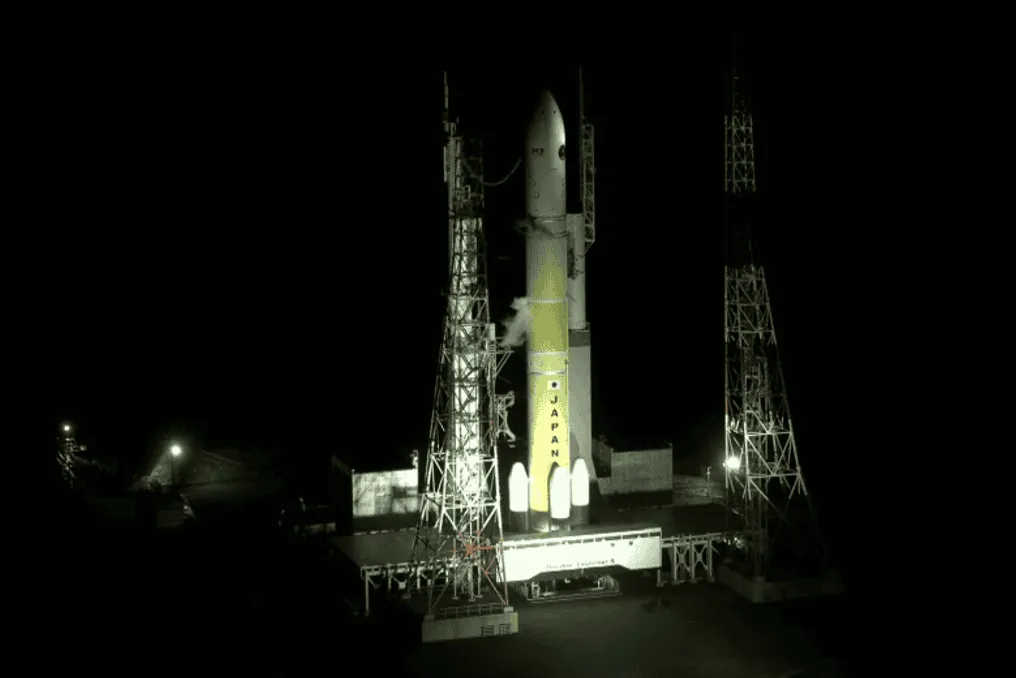
On Monday the 19th, an extremely important space mission aimed at Mars was launched. The goal of this mission is to deliver samples from one of Mars' moons back to Earth. The MMX probe (Mars Moon Exploration) launched from the H3 rocket at the Tanegashima Space Center in Japan, beginning an approximately five-year journey to study Phobos and Deimos, two natural satellites of the Red Planet.
The mission, led by the Japan Aerospace Exploration Agency (JAXA), plans to land on Phobos, collect at least ten grams of material from its surface, and return it to Earth. If all plans proceed as scheduled, the samples are expected to arrive in 2031, allowing for detailed analysis in ground laboratories.
NASA, European space agencies, and other institutions and companies are also participating in the project, responsible for developing and providing the scientific instruments and technologies necessary for the operation.
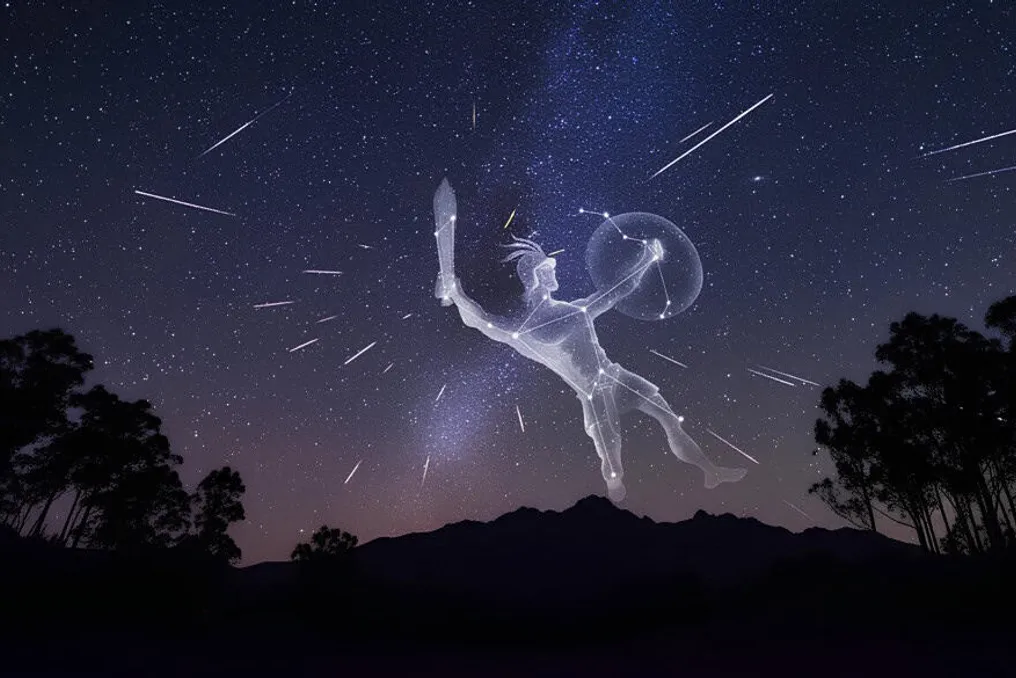
The Orionids meteor shower peaked between Thursday night (the 21st) and early Friday morning (the 22nd). This phenomenon occurs annually from October 2nd to November 7th, although the peak can vary year to year, falling between October 21st and 23rd. During this period, observers can expect to see between 10 and 20 meteors per hour.
This shower occurs when Earth passes through the debris trail left by Comet Halley, which traverses the inner solar system every 76 years. As these particles enter the Earth's atmosphere, they ignite, creating luminous trails known as meteors. The name 'Orionids' derives from the constellation Orion, the point in the sky from which these trails appear to originate, located near the star Betelgeuse.
The discovery of two statues belonging to one of Egypt's most long-lived and significant pharaohs has been made. The discovery was made by local worker Khaled El-Shahat, who found the remains on his property in the village of Behbait El-Hagar, in the Gharbia governorate.
Upon finding the fragments, Khaled notified the Egyptian Ministry of Tourism and Antiquities, which dispatched a team to the excavation site. This find was publicized last week in an organization's Facebook post.
The village of Behbait El-Hagar is part of an important archaeological site in Lower Egypt. Located on the bank of a Nile tributary, this site once housed a temple dedicated to Isis, one of the most revered goddesses of Ancient Egypt.
A Russian satellite conducted maneuvers to approach US commercial equipment that provides imagery to Ukraine. This movement raised suspicions among experts, who are considering the possibility of espionage or even an attack in orbit.
Identified as Cosmos 2612, the satellite is already moving away from ICEYE-X36. Although there is no confirmation of hostile intent, such proximity draws attention to the risks faced by commercial devices amid geopolitical conflicts between powers.
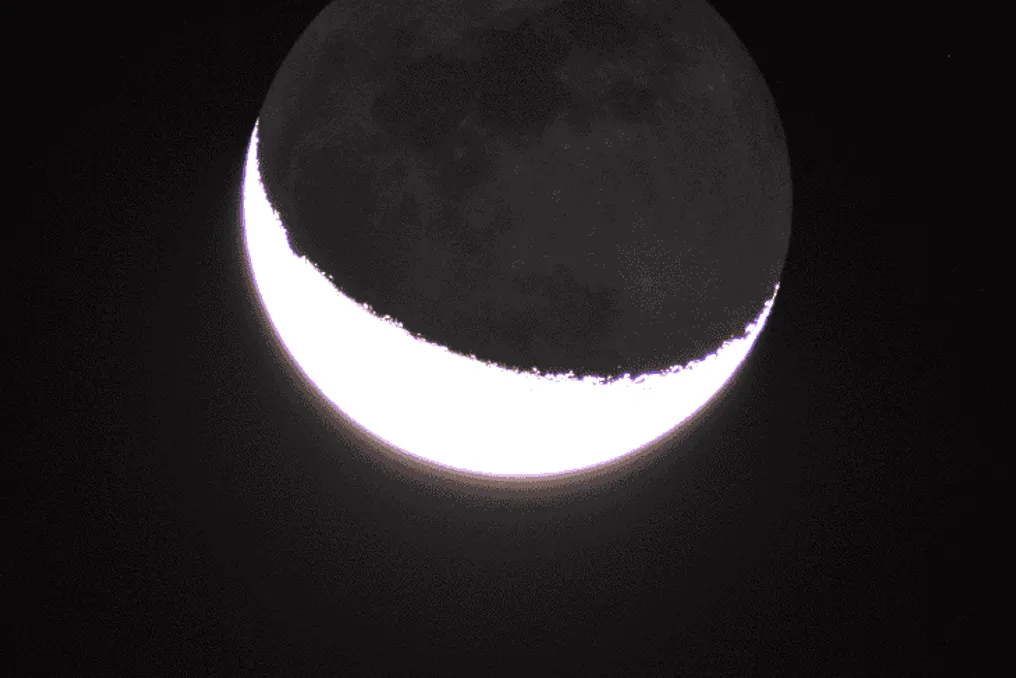
The final 'retrograde Mercury' of 2026 will begin this Saturday (the 24th). For those who believe in astrology, this term seems somewhat alarming, as beliefs suggest that this planetary movement exerts a turbulent energetic influence on various aspects of life.