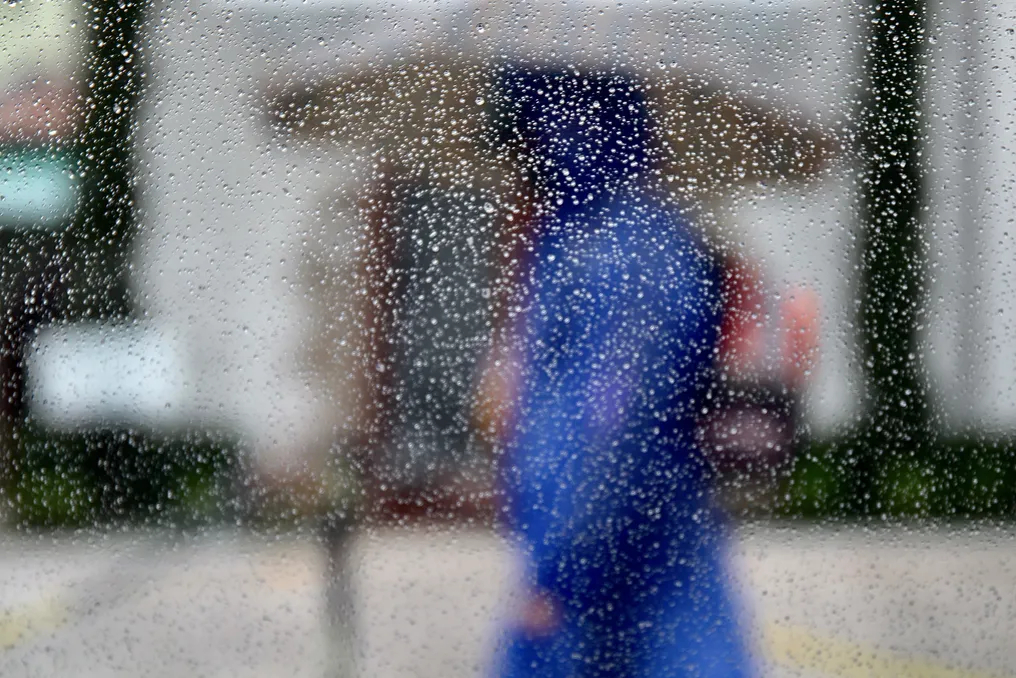
The National Institute of Meteorology (Inmet) issued an orange alert regarding storm risks for the Baixada Santista, located on the coast of São Paulo, valid for this Saturday (24th). For Sunday (25th), the date of the 2026 Elections, the alert level will be reduced to yellow, but the forecast still points to continuous rainfall throughout the day.
The climate projection for Saturday indicates that the morning will have sun interspersed with clouds, while in the afternoon there is a probability of rain showers and the sky should become cloudier towards evening. According to Climatempo, expected temperatures range between 26°C and 21°C.
The orange warning implies the possibility of precipitation between 50mm and 100mm daily, in addition to winds that may exceed 60 km/h. Inmet also warned of potential power outages, falling trees, and the formation of flooded areas.
On Election Sunday, Inmet's yellow alert signals a potential storm danger, with estimated rainfall up to 50mm and winds ranging between 40 and 60 km/h. Climatempo predicts that the most intense rains will occur throughout the day, with a 99% probability of precipitation, and temperatures between 26°C and 19°C.
Safety guidelines
In situations of wind gusts, it is recommended to avoid shelters under trees due to the slight risk of falling and electrical discharges. It is advised not to park vehicles near transmission towers or advertising signs, and the use of electronic equipment connected to the electrical grid is also discouraged.
If incidents occur, citizens should contact Civil Defense at phone number 199 or the Fire Department at 193.
Understanding Inmet's alert classification
The yellow alert means a meteorological condition that can be dangerous, requiring caution when carrying out activities susceptible to climatic risks. The orange alert represents a dangerous situation, advising the population to remain attentive and informed about inevitable risks, following the directives of the authorities.
Finally, the red alert indicates great danger, characterized by the forecast of exceptionally intense meteorological phenomena, with a high probability of causing damage and accidents, demanding emergency preparation and obedience to the instructions of the authorities.