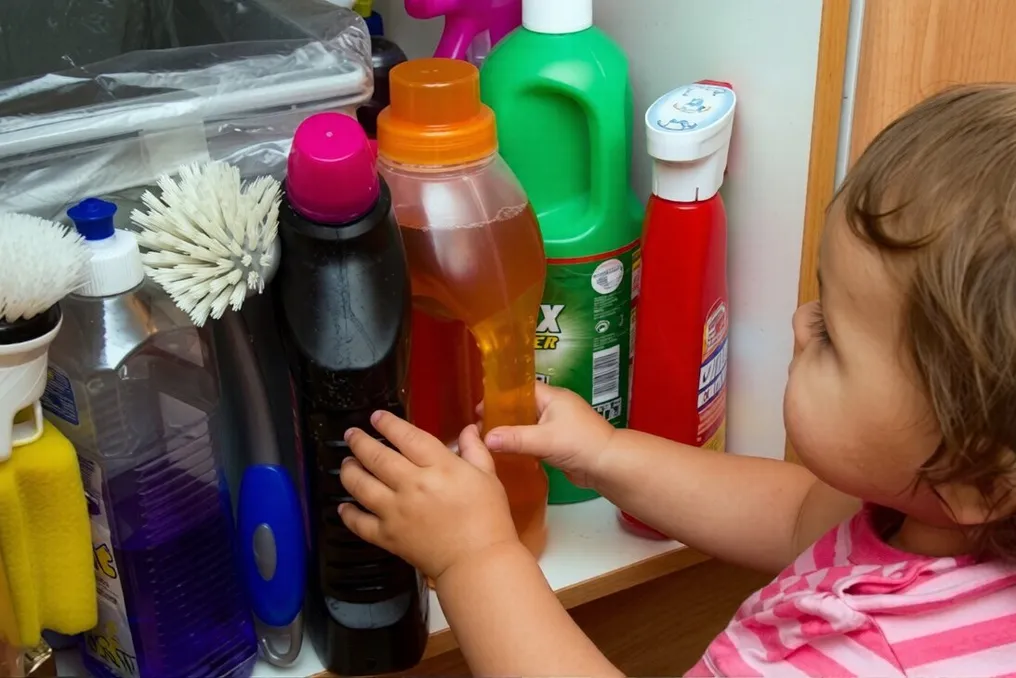
The National Poisoning Prevention Week started on Friday and will continue until October 29th. The main goal of the event is to raise public awareness about the potential dangers of poisoning and promote measures to prevent such incidents.
This year's campaign is under the slogan 'From Recognizing Danger to Timely Actions to Prevent Poisoning.' It aims to draw attention to poisoning threats, improve public knowledge levels, and encourage prompt action to eliminate cases of poisoning.
Each day of the week is dedicated to a specific aspect of the problem: on Friday, October 23rd, the focus is on preventing medication poisoning; on Saturday, October 24th, the topic is preventing child poisoning; on Sunday, October 25th, the prevention of carbon monoxide poisoning is discussed.
Subsequently, on Monday, October 26th, attention is paid to preventing food, plant, and mushroom poisoning; on Tuesday, October 27th, the issue is chemical and pesticide poisoning prevention; on Wednesday, October 28th, the focus is on preventing poisoning by poisonous animals; and on Thursday, October 29th, the prevention of drug and alcohol poisoning is examined.
According to Mehdi Pirsalehi, head of the Food and Drug Control Department, protecting people's health and lives from poisoning requires identifying risk factors, strengthening a culture of prevention, and being ready to take appropriate and timely measures in emergencies.
Poisoning can occur in various places—at home, at work, in nature, or during daily activities. The consequences of poisoning range from mild to severe, and some cases can be fatal. Therefore, as he noted, identifying sources of danger and knowing prevention strategies are integral parts of public health protection programs.
Pirsalehi emphasized that most poisoning cases can be prevented by safely storing medicines and chemicals, using toxic components properly, observing safety warnings, avoiding the consumption of unidentified substances, as well as through educating children and families.
He also strongly recommended: in case of poisoning or suspicion thereof, refrain from self-medication and seek immediate medical help. Referring to the theme of the year, he added that raising awareness of poisoning symptoms and taking timely action will help avoid possible health complications.
The National Center for Drug and Poison Information, affiliated with the Food and Drug Control Department, strives to raise public awareness, develop effective prevention methods, and facilitate access to specialized advice and information. However, Pirsalehi noted that reducing the number of poisonings is only possible with the coordinated participation of the healthcare system, educational institutions, mass media, families, and other relevant sectors. In conclusion, the official representative once again stressed the need to avoid self-medication and seek emergency medical assistance if poisoning is suspected.