Ancient forests under the Mozambique Sea have become a habitat for thriving marine fauna
Read more
Getaway
getaway.co.za

Ancient forests under the Mozambique Sea have become a habitat for thriving marine fauna

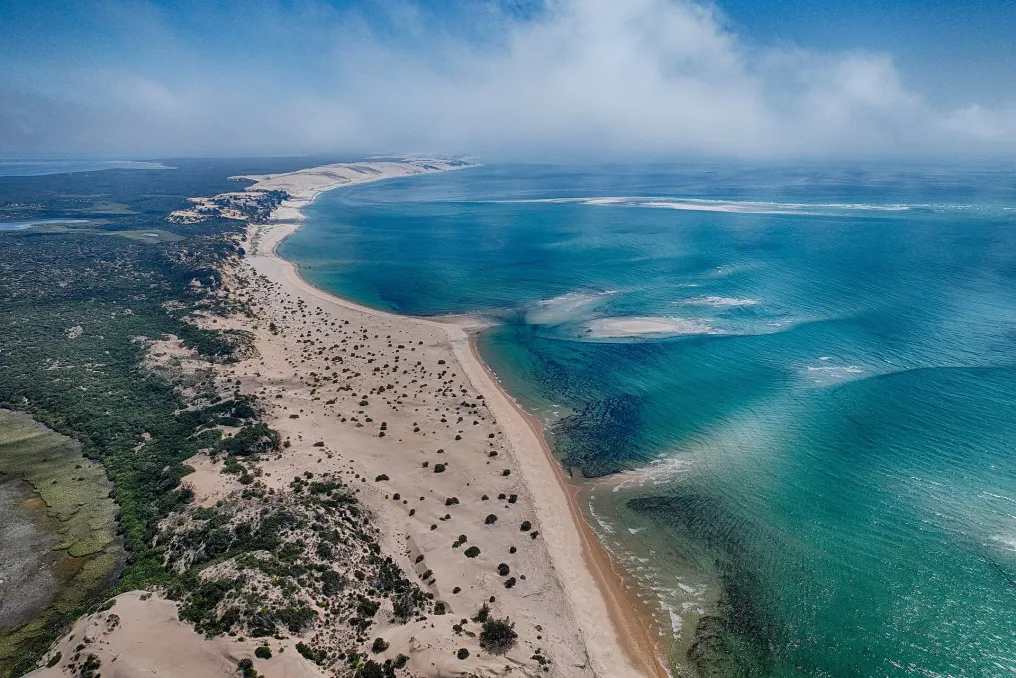
Off the coast of Mozambique, remnants of ancient forests lie beneath the sea, having grown along the Indian Ocean coast thousands of years ago. Today, these submerged remains serve as a refuge for fish, lobsters, and other marine life.

Researchers studying the Bazaruto archipelago discovered that ancient peat deposits, formed from decaying plant material, have turned into underwater reefs. Although they may not resemble traditional coral reefs, they support many of the same fish species.

These findings demonstrate an unexpected aspect of marine life in the region and highlight how much more scientists have yet to learn about underwater habitats. Approximately 5,000 years ago, rising sea levels flooded coastal forests and wetlands. Over time, layers of plant material compressed into peat, preserving the landscape.

As sand shifted and waves eroded the seabed, parts of this ancient peat became exposed. Their rough surfaces and crevices provided shelter for marine creatures. Researchers dated samples of these reefs to approximately 300–5,000 years ago, confirming that the formations originated from terrestrial vegetation rather than marine plants.

During surveys in 2023, divers recorded the presence of fish, sharks, rays, and turtles around the peat reefs. Young snappers and grunt fish found shelter among these formations, while spiny lobsters occupied their cracks and protrusions.

On each of the three surveyed sites, the reefs supported 26 to 36 species of small fish. A nearby coral reef supported 54 species, but researchers noted that different habitats attract different marine communities.

The data suggests that these ancient forest remnants provide an important refuge and potential nursery grounds, especially in areas where natural hard seabed is limited. However, these formations are not indestructible; storms, cyclones, and sand movement can lead to the erosion or burial of exposed peat.

Scientists continue to study how much carbon these deposits store and how they change over time. Researchers believe that similar reefs may exist in other parts of the world with coastal peatlands, including Southeast Asia, the Caribbean, and West Africa. However, further research is needed to determine their prevalence.

This study emphasizes the importance of looking beyond conventional coral reefs when mapping and protecting marine ecosystems. Along the Mozambican coast, the remnants of ancient forests sustain life in unexpected ways, reminding us that some of the ocean's most interesting ecosystems have a history that began long before they were submerged.

Similar stories

Namibia and Angola promote cross-border water project for agricultural development
Read more
noticiasaominuto.com

Namibia and Angola promote cross-border water project for agricultural development

The President of Namibia stated in the capital of Angola the urgent need to complete a cross-border water project intended to support the agricultural sector of both countries and promote agricultural development in the arid regions of Namibia.

Netumbo Nandi-Ndaitwa, speaking alongside her Angolan counterpart, João Lourenço, during her first state visit to the neighboring country, discussed the expansion of the Kafue water project in Kunene Province (Angola) into Namibian territory, as well as the commissioning of the Kalukuwe water intake station, also located in Kunene.

The President of Namibia emphasized that agriculture is a priority, and together with Angola, they aim to invest in the agrarian sector and agricultural product processing to ensure food security and create jobs for the population.

The head of state of Namibia also noted that the proposal to build a railway line between Oshikango (Namibia) and Santa Clara (Angola) will improve transport connectivity, reduce transportation costs, and facilitate the free movement of goods between the two states.

She stressed the importance of directing institutions to continue implementing these initiatives through technical exchange and the development of technical plans to ensure their execution. Furthermore, the President of Namibia pointed out the need to pay attention to cross-border trade and issues arising along the common border, which can increase business costs and limit opportunities, especially for small traders.

According to Netumbo Nandi-Ndaitwa, the conclusion of bilateral agreements marks a significant step towards strengthening energy security and promoting sustainable economic development not only for Namibia and Angola but for the entire Southern African region.

She continued that the implementation of the Beines project (which includes the construction of a hydroelectric power plant on the Kunene River) will make the industrialization of the southern region a reality, insisting that its implementation must be a priority and an imperative within the established timeframe.

Both countries identified education, healthcare, sports, infrastructure, housing, and logistics as priority areas for cooperation, but added that 'all this can only be realized with sufficient energy and water.'

Underwater trees help Florida restore coral reefs
Read more
getaway.co.za

Underwater trees help Florida restore coral reefs

In 1996, a Florida fisherman made an unexpected discovery while noticing the growth of horned coral on his live rock farm. Nearly three decades later, this observation inspired the creation of an underwater aquafarming method used to restore damaged coral reefs.

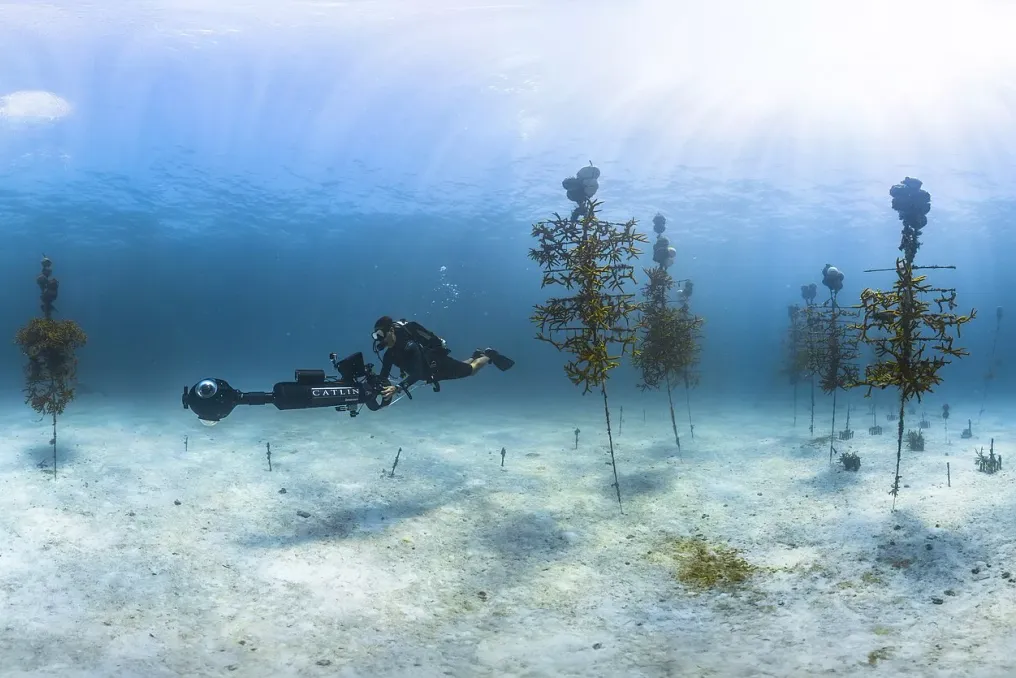
Ken Nedimayer, who worked in tropical fish and aquarium fields, began experimenting with fragments of broken coral. He found that these fragments could form larger colonies if suspended underwater, leading to the development of the 'Coral Tree' nursery system.

The principle of this system is quite simple: coral fragments are hung on branching structures anchored to the seabed. This ensures water circulation around them while protecting them from algae and sediment found closer to the bottom.

As the fragments grow, conservation specialists transfer them to damaged reefs. This approach allows nurseries to cultivate a large number of corals before returning them to their natural habitat. Nedimayer's work ultimately led to the establishment of the Coral Restoration Foundation, which uses coral nurseries to support restoration efforts in the Florida Keys.

Florida's coral reefs suffer from diseases, habitat loss, and rising ocean temperatures. In 2023, an unprecedented marine heatwave caused devastating losses.

A study published in the journal Science in October 2025 showed that between 97.8% and 100% of horned and elkhorn coral colonies died during this thermal event in the Florida Keys and Dry Tortugas.

These branching corals serve as vital habitats for marine organisms. Their decline negatively affects the entire reef ecosystem by reducing shelter and feeding grounds for fish and other marine species.

Growing more coral is only part of the solution. Conservation specialists are also working on preserving genetic diversity, which can help coral populations withstand diseases and environmental changes.

Maintaining various coral genotypes in nurseries and partner sites helps prevent the loss of valuable genetic material due to a single catastrophe.

Nevertheless, coral trees cannot protect colonies from prolonged marine heatwaves. Even corals successfully grown in nurseries must survive after being returned to the reef. The method offers a practical way to restore damaged habitats, but long-term recovery also depends on addressing the environmental pressures causing coral decline.

What started as an observation on a Florida aquaculture farm has turned into an important tool for reef restoration. The current challenge is ensuring the survival of the corals so diligently cultivated by conservation specialists amidst rising sea temperatures.

Popular