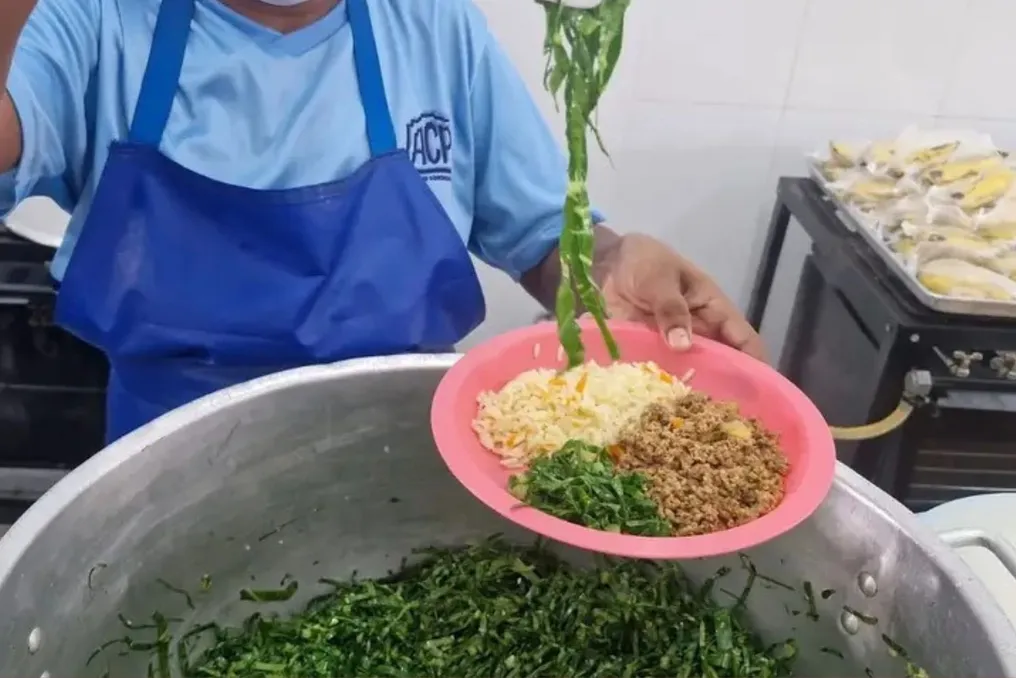
Public schools in Macapá and Santana will receive 7.6 million reais allocated for purchasing products from family farms for school meal needs. This initiative aligns with the directives of the National School Feeding Program (Pnae), which uses federal funds to acquire products from local producers.
What is on the students' plates
Currently, 18 types of products are being purchased from family farms through public tenders. The menu includes fruits, vegetables, legumes, manioc flour, fruit purees, and açai. This diverse diet positively influences the educational process, as noted by second-grader Dominic Rodrigues: 'The food at school is very good and very varied. We have fruits, vegetables, and different dishes throughout the week. It is very good to have the opportunity to study and eat here, prepared for us.'
State Resources Supplement Federal Funds
In addition to federal funding from Pnae, the state directs funds through the School Feeding Program (Proem) directly to educational institutions. These funds are used to purchase other essential consumer goods that are not supplied by family farms, such as meat and grains. While the company Seed coordinates public tenders for local producers, each school independently purchases the remaining products from the state budget.
Serving Indigenous and Quilombola Students
A public application worth 718.9 thousand reais was launched in July 2026 to procure 33 items from family farms intended for traditional communities. This measure covers approximately 7.4 thousand students from 77 schools in indigenous and quilombola communities. The specialized menu includes local products such as fish, açai, bacaba, flour, fruits, and vegetables.
Suppliers
For 2026, supplies will be provided under 16 contracts distributed among two cooperatives, four associations, and ten individual farmers. It is estimated that this will serve 468 direct rural producers and about 2 thousand suppliers and their families in the region. Registered organizations include: Attafex-San (Association of Agricultural and Resource Extraction Workers in Santana), Paif (Association of Agro-extractive Producers of Franco Island), Amacrep (Association of Residents and Farmers of the Ressaca-da-Pedreira Community), and Acipol (Association of Farmers and Aquaculture in the Fazendinha Agro-fruit and Grain Center in Macapá).