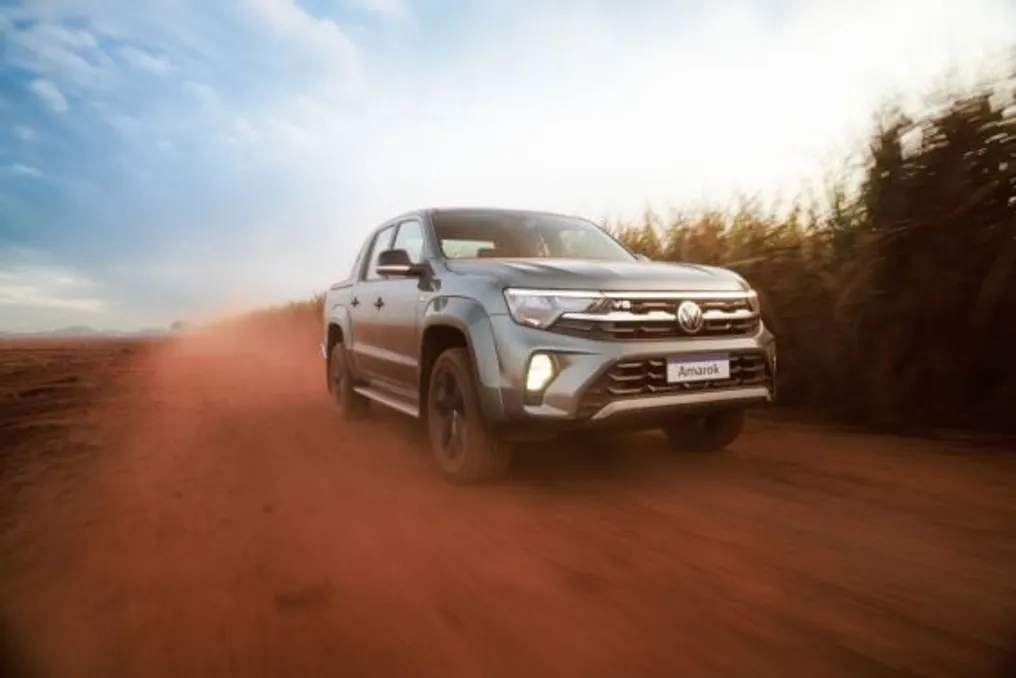
Mid-size pickup trucks with the highest load capacity show lower sales volume in the Brazilian market
Read more
AutoPapo
autopapo.com.br

Mid-size pickup trucks with the highest load capacity show lower sales volume in the Brazilian market

Mid-size pickup trucks are increasingly resembling passenger cars for drivers, but their main focus remains cargo transport. The structure, built with a chassis separate from the body, gives these vehicles superior resistance compared to monocoque models.

In Brazil, legislation requires a pickup truck to have a minimum load capacity of 1 ton to use a diesel engine, and all mid-size models sold in the country exceed this requirement. For a fair comparison, models with a double cab and automatic transmission were selected, as these are standard configurations in all mid-size pickups available on the market.

Models with Highest Load Capacity

The JAC Hunter is pointed out as the mid-size pickup with the highest load capacity available in Brazil. The version sold in the country uses the reinforced chassis from the electric edition, combined with a 2.0 diesel engine, achieving a capacity of 1,400 kg. This value surpasses competitors by 296 kg compared to the second-place model, although it is notable that the running of this model is quite severe.

The Volkswagen Amarok, despite being near the end of its line, still stands out in aspects such as performance, handling, and load capacity. This mid-sized Volkswagen vehicle can carry 1,104 kg while maintaining comfort, providing the driver with a sensation similar to that of a sedan.

The Chevrolet S10 received an update in 2024, incorporating a more comfortable suspension adjustment. This improvement did not affect its load capacity, which is established as the third largest in the national market.

Another model praised for its level of comfort is the Ford Ranger. This vehicle is seen as a standard in technology, features a competent V6 engine, and supports up to 1,023 kg of payload.

The Fiat Titano attracts attention by having a slightly larger size than the other mid-size pickups. In weight tests, it registers a capacity for 1,020 kg of load.

The Ram Dakota shares mechanics, chassis, body panels, and other components with the Fiat Titano, presenting identical technical specifications in both performance and load capacity.

The GWM Poer P30 was launched in Brazil with local production, offering good equipment and competitive prices. In terms of work, it slightly exceeds the 1-ton mark.

The Kia Tasman is among the last mid-size pickups on the list exceeding the 1,000 kg required by law for diesel engines. This model had a recent debut and presents a controversial design, but it is pleasing in terms of interior experience and mechanical assembly.

There is a triple tie between three mid-size pickups that can support exactly 1 ton. The Mitsubishi Triton can carry 1 ton in all its versions, including the GL model, which uses four springs on the rear axle, unlike the three used in the more expensive versions.

The Foton Tunland, a little-discussed Chinese mid-size pickup, has dimensions comparable to large North American pickups. However, it only supports 1 ton, and its performance is below the segment average.

The Toyota Hilux leads the mid-size pickup segment, recognized for its mechanical durability. Double cab models with automatic transmission reach a capacity of 1 ton when loaded.

Finally, the BYD Shark is the only generalist mid-size pickup in Brazil that does not use a diesel engine; it is a gasoline plug-in hybrid model. Due to its considerable weight even empty, its load capacity is limited to 790 kg to stay within the Gross Vehicle Weight (GVW) of 3.5 tons.
Similar stories

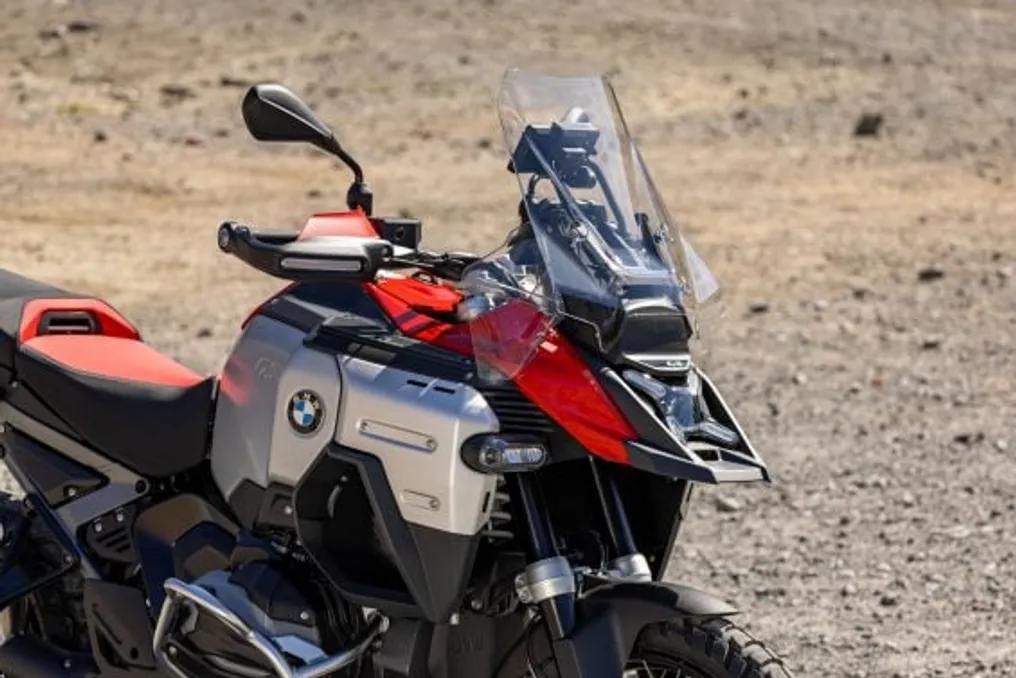
Brazilians increase purchase of high-cylinder motorcycles, boosting the national market
Read more
autopapo.com.br

Brazilians increase purchase of high-cylinder motorcycles, boosting the national market

High-cylinder motorcycles registered the greatest growth in Brazilian production during the first nine months of 2026. This advance reached 19.7%, which represents double the overall market growth, which was 9.9% in the same period of 2025. These data, released by Abraciclo at its press meeting in the second week of October, indicate that the increase in demand for bikes is not only due to necessity but also to consumer taste.

Although the growth comes from a smaller base, high cylinder capacity accounts for 2.8% of all production. The entry-level range, with engines up to 160 cm³, remains dominant, representing 78.8% of total production, while the average engine size reaches 18.4%. However, it is the high cylinder segment that shows the highest percentage of growth.

During the press conference, Abraciclo mentioned a 39% increase in naked bikes and an impressive 600% growth in sport touring over the year. However, both niches represent less than 2% of production individually, which explains the high percentages. In September, for example, 3,474 naked bikes and 430 sport touring bikes were manufactured.

The production ranking by category maintains concentration in the basic segment: street leads with 842,150 units (51.2% of the volume), followed by trail (328,636 units, or 20%) and scooter (214,200 units, or 13%). The scooter occupies the next position, with approximately 9% of production.

According to Fenabrave information, the best-selling high-cylinder motorcycles in the market are those that attract new audiences. Marcos Bento, president of the entity, interpreted the growth in larger cylinders as a sign of a balanced expanding market. He observed that those who acquire these motorcycles are changing segments, attracting new profiles to the motorcycle market.

When questioned about the nature of this movement, Bento expressed expectations of continuity, classifying it as an upper-middle-class public that develops an appreciation for motorcycles, potentially even using them as a second vehicle. In his view, this growth tends to persist in the coming years.

At the Manaus Industrial Pole, the motorcycle industry produced 1,645,034 motorcycles from January to September, an increase of 148 thousand units compared to 2025, marking the best performance for the period since 2008, according to the association's own survey. In September alone, 186,758 units were registered, the best monthly record since 2011, despite an 8.5% drop compared to August.

This is the second consecutive year that the shift to higher cylinders appears in the association's indicators. In 2025, the focus was on medium cylinder capacity, and now the highlight is high cylinder capacity.

Based on the accumulated performance, Abraciclo adjusted its forecasts for 2026. Estimated production rose from 2,070,000 to 2,100,000 units, an increase of 6% compared to 2025. Retail sales were projected from 2.3 million to 2,350,000 registered motorcycles (+6.9%), and exports jumped from 45 thousand to 48 thousand units, doubling the growth projection from 4.4% to 11.3%.

Despite the revision, the production forecast still falls short of the 9.9% high already achieved until September, which could indicate a weaker fourth quarter. Bento refuted this interpretation, treating the revision as a mere adjustment to the annual projection, stating that the 6% growth is within expectations and is a very positive development for 2026.

In the retail sector, registrations totaled 1,783,972 units from January to September, setting a historical record for the period, with a growth of 10.5%. The association did not provide this data segmented by engine size.

Popular