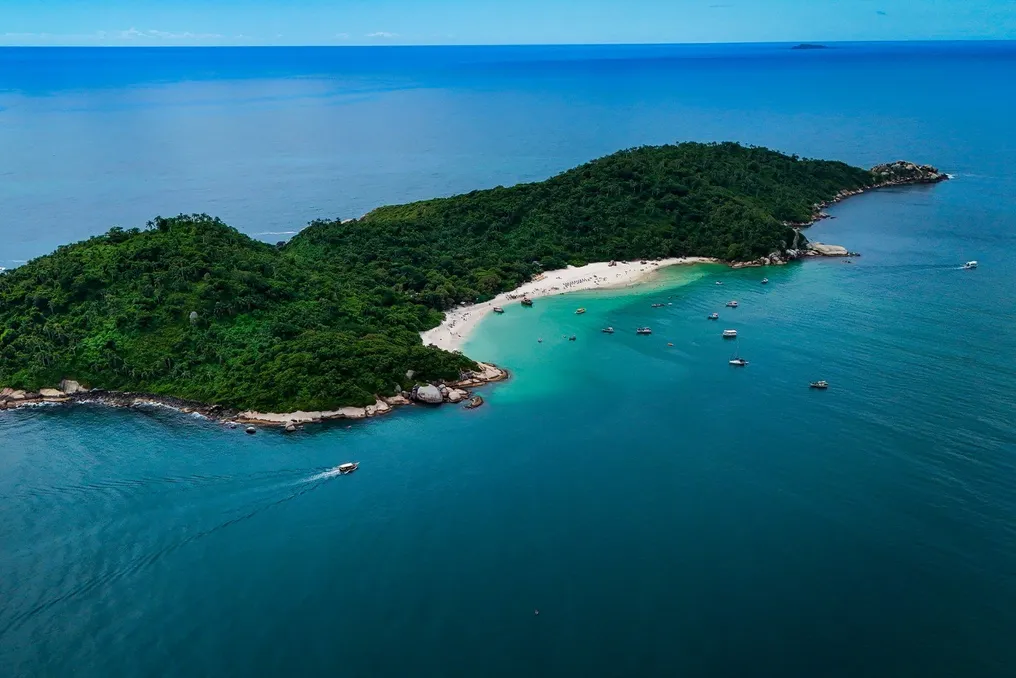
Campeche Island, located in Florianópolis, has begun the initial phase of a pilot project focused on the reproductive management of coatis (Nasua nasua). The central objective of this initiative is to investigate the species' population and create appropriate strategies for its management within the Conservation Unit.
This pioneering action took place between September 26th and 28th and involved the castration of four males. After the veterinary procedures, the animals were reintegrated into their natural habitat without complications.
The project proposal was presented by the Couto Magalhães Association for the Preservation of Campeche Island (Acompeche), with support from the Florianópolis City Hall, through the Municipal Environmental Foundation (Floram), and eight other partner organizations. The work is being conducted at the Municipal Natural Monument (MONA) of Campeche Island, a site that also holds recognition as a National Archaeological and Landscape Heritage.
The primary purpose is to generate scientific knowledge about the coati population on the island, in addition to testing capture, reproductive management, and monitoring methods. Currently, there are no systematic studies that allow for an exact determination of the number of resident animals, their genetic characteristics, or the effects they have on local fauna and flora.
Before the practical activities, technical planning included the installation of photographic cameras to track the presence of the animals at key points. During the three days of intervention, Campeche Island was closed to visitors as a safety measure for both the teams and the public.
Coatis were introduced to the Island by human action
It is important to note that coatis are not native to Campeche Island. Historical records indicate that the species was brought to the area through human intervention, with mentions dating back to the 1950s. Due to its remarkable ability to adapt to various ecosystems and food sources, the species has managed to establish itself on the island.
However, technical reports suggest that the presence of these animals may cause changes in regional ecological dynamics and pressure native wildlife. Despite this, comprehensive surveys are still needed to quantify potential environmental damage or assess the population extent.
The interaction of coatis with tourists is also a concern. When visitors offer food, the animals' natural behavior can be altered, leading them to approach areas of human traffic, especially during high season. This proximity increases the risk of incidents, such as bites and scratches, as well as contact with parasites like fleas and ticks.
For this reason, it is essential to advise visitors not to feed, touch, or attempt to interact with the coatis.
Four males underwent vasectomy and were returned to nature
The first practical phase of the project took place on September 26th, when four male coatis were subjected to vasectomy, a surgical procedure intended to prevent the individuals from reproducing. This number was determined by the technical team as the minimum sample necessary to validate and evaluate the protocols planned in the pilot.
After being captured under monitoring, the animals underwent veterinary evaluation, biological sample collection, surgery, and post-operative care. All received unique identification via microchip and temporary marking, which will enable monitoring in subsequent phases. After recovery, the four coatis were released in the same capture locations, without registering any complications.
No animals were removed from Campeche Island or subjected to euthanasia. According to the veterinarian and technical manager of the project, Laura Tonon, all procedures were meticulously planned to reduce animal stress and avoid unnecessary interventions.